
From First Dates to LongTerm Relationships After Widowhood in Your 40s+


Ready to rediscover love and connection? At OnlineDatingSuccess.org, we empower you to navigate the world of online dating with confidence. Finding yourself again after widowhood in your 40s can feel daunting, but it doesn't have to be. Our expert advice on Dating after widowhood 40s will guide you through every step, from crafting a compelling profile to building genuine relationships. Dive in and unlock the secrets to finding lasting happiness – your next chapter awaits.
- Navigating Dating After Widowhood: Unique Challenges in Your 40s+
- Finding the Right Online Dating Platform for You After 40
- First Dates After Widowhood: Tips for Success
- Building Healthy Relationships After Loss
- Long-Term Relationship Goals After 40: Finding Lasting Love
- Seeking Support and Guidance During Your Dating Journey
-
Frequently Asked Questions
- How can I create a dating profile that reflects my life after widowhood?
- What are some good conversation starters for dating after widowhood?
- How do I address the topic of my late spouse during early dates?
- How can I navigate the emotional challenges of dating again in my 40s after widowhood?
- Where are some good places to meet people for dating after widowhood?
- Final Reflection: Rekindling Love After Loss: A Journey Beyond Grief
- Rediscover Love: Your Next Chapter Starts Now
Dating after widowhood in your 40s and beyond presents a unique set of challenges and opportunities. This isn't simply about finding a new partner; it's about navigating complex emotions, rebuilding self-esteem, and rediscovering a sense of self after significant loss. This article provides practical guidance and empathetic support for women and men navigating this journey, offering strategies for creating successful dating profiles, communicating effectively, prioritizing safety, and ultimately, building meaningful, long-lasting relationships.
We understand that dating after widowhood can feel daunting, but with the right approach and self-compassion, finding love and happiness again is entirely possible. This guide offers a roadmap to help you confidently navigate the dating scene, addressing the specific emotional and practical hurdles unique to dating after widowhood in your 40s+.
We'll explore strategies for managing grief, rebuilding confidence, and fostering healthy communication in your new relationships. Remember, you are not alone, and healing and finding love again is a journey worth undertaking.
The Emotional Landscape of Dating After Loss
Dating after the death of a spouse is deeply personal and emotionally complex. The grieving process is unique to each individual, but common feelings include sadness, guilt, anger, and loneliness. These emotions can significantly impact your approach to dating. You might experience fear of vulnerability, reluctance to let someone new in, or even a sense of disloyalty to your late spouse.
It's crucial to acknowledge and validate these feelings without judgment. Allow yourself time to grieve and heal before jumping back into the dating world. Consider seeking support from grief counseling, support groups, or close friends and family. Remember, it's okay to take things slowly and prioritize self-care during this time.
Healing from grief is not a linear process; there will be ups and downs, and that's perfectly normal. Patience and self-compassion are key. Don't rush the process; focus on your emotional well-being and allow yourself the space to heal before actively pursuing new relationships. Many find solace in journaling, meditation, or other mindfulness practices to manage the emotional complexities of dating after loss.
Rebuilding Confidence and Self-Esteem After Widowhood
Widowhood can significantly impact self-esteem and confidence. You may feel lost, unsure of your identity outside of your marriage, or even question your attractiveness. Rebuilding your self-esteem is a crucial step in successfully navigating dating after widowhood. Focus on self-care activities that nourish your physical and mental well-being.
This might include exercise, healthy eating, pursuing hobbies, or spending time in nature. Engage in activities that make you feel good about yourself and remind you of your strengths and accomplishments. Consider professional support, like therapy or coaching, to help you process your grief and develop strategies for building confidence. Surround yourself with a supportive network of friends and family who uplift and encourage you.
Remember your value and worth are not diminished by the loss of your spouse. You are strong, resilient, and capable of finding happiness again. Focus on celebrating your accomplishments and recognizing your unique qualities. This renewed sense of self will translate into confidence in your dating life and help you attract healthy relationships.
Addressing Grief and Moving Forward in Dating
Integrating grief into your dating life requires mindful self-awareness and honest communication. It's essential to be upfront about your past and your feelings. Don't feel pressured to hide your grief or pretend you're "over it." Sharing your experience authentically can help you connect with someone who understands and respects your journey. However, it's also important to strike a balance.
While being open about your grief is healthy, avoid letting it dominate every conversation. Find a way to express your feelings without overwhelming potential partners. Consider setting boundaries to protect your emotional well-being. It's okay to take breaks from dating if you feel overwhelmed or triggered.
Remember, dating is a process of discovery, both for yourself and potential partners. Be patient with yourself and allow yourself to learn and grow throughout the experience. Finding someone who understands and supports your journey is key to building a healthy and fulfilling relationship. Remember, your happiness and well-being are paramount throughout this process.
Finding the Right Online Dating Platform for You After 40

Dating after widowhood in your 40s can feel daunting, but the right online dating platform can significantly ease the transition. Choosing wisely is crucial for a positive experience. Many platforms cater to specific demographics, and understanding these nuances is key to finding a space where you feel comfortable and confident. Avoid platforms known for younger users; focus instead on those that prioritize mature relationships and genuine connections. This section will explore how to identify platforms best suited for your needs and experience.
Choosing Platforms that Cater to Mature Daters
Navigating the online dating landscape can be overwhelming, particularly after experiencing the loss of a spouse. Therefore, selecting a platform that understands and caters to the unique needs of mature daters is paramount. Look for platforms that actively promote a respectful and supportive environment. Consider the following factors:
- Age Demographics: Check the platform's user statistics. While an exact age breakdown might not always be publicly available, user reviews and anecdotal evidence often reveal the typical age range. Aim for platforms with a significant percentage of users in your age bracket (40s and above).
- Features Focused on Meaningful Connections: Some platforms prioritize in-depth profiles and compatibility matching algorithms, suggesting potential partners based on shared values and life goals. These are generally better than platforms that emphasize quick matches or superficial interactions.
- Safety Features: A secure platform is essential, especially after a period of grief and vulnerability. Look for features like profile verification, reporting mechanisms for inappropriate behavior, and clear community guidelines. This will help you feel safer and more confident as you navigate the dating world.
- Active Moderation: A well-moderated platform actively removes fake profiles and inappropriate content, creating a healthier and more trustworthy online dating experience. Read reviews to gauge the effectiveness of a platform's moderation efforts.
Remember, the right platform will not only connect you with potential partners but also provide a supportive environment for your emotional well-being throughout your dating journey. Finding the right fit is crucial to a successful experience.
Creating a Compelling Dating Profile that Reflects Your Journey
Your online dating profile is your first impression, and after widowhood, it’s crucial to present yourself authentically and positively. Avoid generic profiles; instead, craft a narrative that reflects your unique journey, experiences, and aspirations. This section will provide tips for building a profile that attracts like-minded individuals who understand and appreciate your life's story.
Your profile needs to showcase your strengths, resilience, and the wisdom gained from life experiences. Don't shy away from mentioning your past; instead, frame it as a part of your story that has shaped you into the person you are today. Consider these points:
- Honest and Upfront: Be truthful about your status as a widow. This transparency fosters genuine connections based on mutual understanding and respect.
- Positive and Forward-Looking: While acknowledging your past, focus on the present and future. Highlight your hobbies, interests, and goals. This shows you're embracing life and looking for companionship.
- High-Quality Photos: Use recent, well-lit photos that showcase your personality and interests. Include a variety of shots – some casual, some more formal – to give a complete picture.
- Engaging and Informative Bio: Write a bio that is both informative and engaging. Share details about your passions, values, and what you’re looking for in a partner. Use humor and wit where appropriate to showcase your personality. Avoid clichés and generic statements.
Highlighting Your Strengths and Values After Widowhood
Dating after widowhood requires self-reflection and a clear understanding of your strengths and values. This section will help you identify these key aspects of yourself and effectively communicate them on your dating profile and during interactions. Remember that your resilience and the lessons learned from your past are valuable assets. These attributes make you a unique and compelling partner.
- Embrace Your Resilience: Your ability to overcome challenges, especially the loss of your spouse, is a testament to your strength and character. Share how you've navigated difficult times and emerged stronger. This demonstrates maturity and emotional depth.
- Showcase Your Wisdom and Experience: Your life experiences, including your past relationship, have given you valuable insights and perspectives. Highlight the lessons learned and how they have shaped your values and worldview. This adds depth and maturity to your profile.
- Identify Your Non-Negotiables: Knowing what you absolutely need and want in a partner is crucial. Clarity in this area saves time and heartache. Be upfront about your expectations and values without being demanding. This shows confidence and self-awareness.
- Celebrate Your Independence: Showcasing your independence and self-sufficiency is attractive. Highlight your hobbies, interests, and achievements – things you enjoy doing independently. This shows you are a well-rounded individual who brings value to a relationship.
Remember, your journey after widowhood is unique, and your dating profile should reflect that uniqueness. By honestly and confidently presenting yourself, you’ll attract partners who appreciate your strength, resilience, and the wisdom you bring to a new relationship. The key is to be authentic and embrace your story.
First Dates After Widowhood: Tips for Success
Dating after the loss of a spouse, especially in your 40s and beyond, presents unique challenges. This section focuses on navigating those first dates, emphasizing realistic expectations, healthy communication, and self-protection. Remember, dating after widowhood in your 40s is a journey of self-discovery and rebuilding, and taking it one step at a time is key.
Managing Expectations and Setting Boundaries
The initial excitement of a first date after widowhood can be bittersweet. It's crucial to manage expectations realistically. You're not looking to replace your late spouse; you're exploring the possibility of a new connection. This involves setting clear boundaries from the outset.
Consider what you're comfortable sharing and what you're not ready to discuss. It's perfectly acceptable to take things slowly. Some individuals might be eager to move quickly, while others need more time to process their emotions and build trust. Don't feel pressured to conform to anyone else's timeline.
For instance, you might decide you're not ready for physical intimacy on a first date, or perhaps you prefer to keep your initial dates shorter, focusing on coffee or a casual lunch instead of a lengthy dinner. Communicating these boundaries upfront demonstrates self-respect and ensures a more comfortable experience for both of you. This open communication is crucial for healthy relationships, particularly when dating after widowhood in your 40s.
Sharing your experiences with widowhood is a personal choice. However, it's often beneficial to address it authentically and respectfully. The depth and timing of this disclosure are entirely up to you. Some individuals prefer to wait until they feel a stronger connection, while others find it easier to be upfront from the start.
The key is to be honest without dwelling excessively on the past. Frame your story in a positive light, focusing on your journey of healing and growth. For example, instead of saying, "My husband died and it was terrible," you could say, "I lost my husband a few years ago, and while it was incredibly difficult, I've learned a lot about myself and what I want in a relationship." This approach allows you to share your story without overwhelming your date. Respectful communication is paramount when dating after widowhood in your 40s.
Identifying Red Flags and Avoiding Emotional Manipulation
Dating can sometimes attract individuals with less-than-noble intentions. Being aware of potential red flags is crucial, particularly after experiencing loss. Signs of emotional manipulation might include excessive pressure to commit quickly, controlling behavior, or attempts to isolate you from friends and family.
Pay attention to how your date makes you feel. Do you feel respected and valued? Or do you feel pressured, controlled, or belittled? Trust your instincts. If something feels off, it probably is. Remember, a healthy relationship is built on mutual respect, trust, and open communication. Don't compromise your well-being for anyone. Prioritizing your emotional safety is vital when navigating dating after widowhood in your 40s. Learning to recognize these red flags can significantly improve your dating experience and help you avoid potentially harmful relationships. Remember, your happiness and safety are paramount.
Building Healthy Relationships After Loss
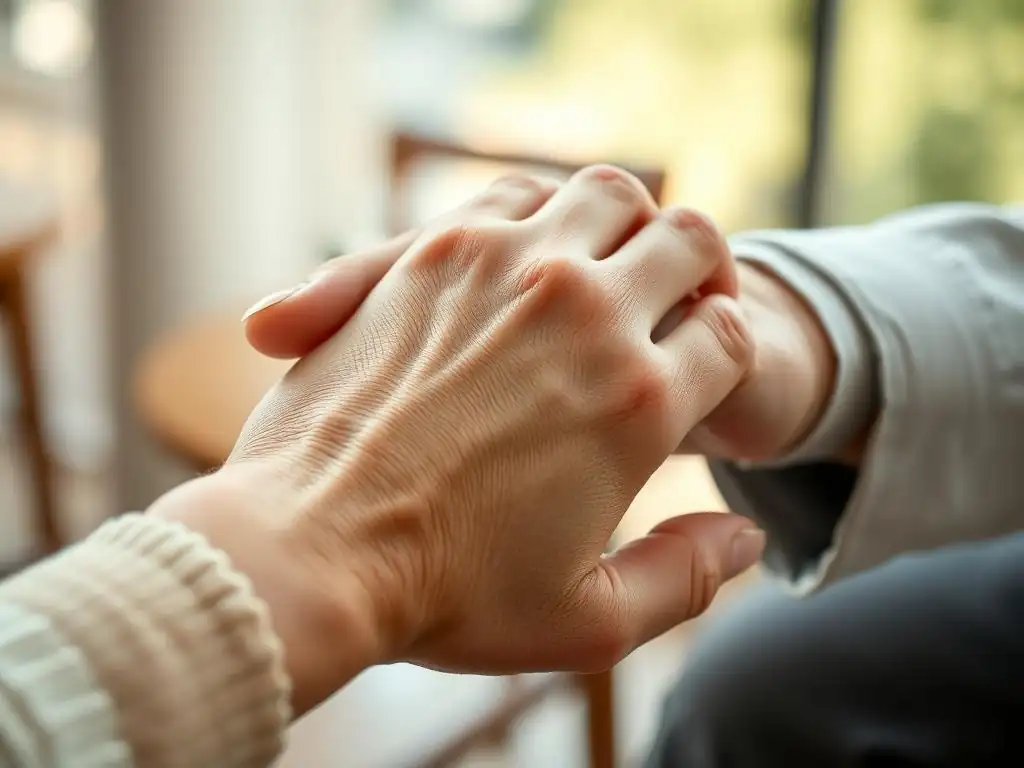
This section focuses on the crucial steps involved in fostering healthy relationships after the loss of a spouse, particularly for individuals in their 40s and beyond navigating the world of "dating after widowhood 40s". It's a journey requiring both resilience and a willingness to embrace vulnerability. Successfully rebuilding your life and finding love again requires careful consideration of several key aspects.
Open Communication and Emotional Vulnerability
Open and honest communication is paramount in any relationship, but it takes on even greater significance after widowhood. The emotional landscape is complex; you're carrying the weight of grief and potentially unresolved feelings alongside the excitement (and anxieties) of a new relationship. It's crucial to communicate these feelings openly and honestly with your partner. Don't expect them to be a mind-reader.
For example, you might find yourself needing extra time to process certain emotions or needing reassurance during difficult times. Communicating this need clearly, without shame or guilt, is vital. Saying something like, "I'm still processing my grief, and sometimes I need a little extra space," can help prevent misunderstandings and build trust. Similarly, sharing memories of your late spouse, without comparing your current partner, can demonstrate emotional maturity and vulnerability. This isn't about dwelling on the past; it's about acknowledging its impact on your present.
Remember, vulnerability is not weakness; it's a strength. It fosters intimacy and allows your partner to understand your journey and support you. Conversely, suppressing your emotions can lead to resentment and distance, hindering the development of a healthy, meaningful connection. Be patient with yourself and your partner; building trust and intimacy takes time, especially after significant loss. Consider seeking professional support if you find communication particularly challenging.
Balancing Independence and Intimacy
Finding the right balance between your independence and the intimacy of a new relationship is a delicate dance, especially when "dating after widowhood 40s". After years of shared life and routines with your late spouse, re-establishing a sense of self and independence is crucial before fully embracing a new relationship. However, complete independence can also feel isolating and lonely.
This balance requires self-awareness. Identify your individual needs and boundaries. Do you need significant alone time to recharge? Are there certain activities you prefer to do independently? Communicating these preferences to your partner is essential. For instance, maintaining your own hobbies, friendships, and personal space demonstrates self-respect and prevents feelings of being overwhelmed or suffocated.
Simultaneously, embracing intimacy involves vulnerability and trust. It means allowing yourself to be seen and known, sharing your hopes, dreams, and fears with your partner. This might include sharing intimate moments, planning future activities together, and supporting each other's goals. The key is finding a rhythm that respects both your individual needs and the desire for shared experiences and connection. This balance evolves over time; it’s a continuous process of negotiation and adaptation.
Integrating Your Past and Embracing the Future
Successfully navigating "dating after widowhood 40s" involves acknowledging your past while enthusiastically embracing the future. Your past experiences, including your loss, have shaped you, and it's essential to integrate these experiences into your present self. However, dwelling excessively on the past can hinder your ability to build a new future.
Finding a healthy balance requires mindful reflection. Journaling, therapy, or simply talking to trusted friends can help process your grief and integrate your past experiences. This process isn't about forgetting your late spouse; it's about honoring their memory while moving forward with your life. Allowing yourself to grieve while simultaneously opening yourself up to new experiences and relationships is key.
Embracing the future involves setting new goals, exploring new interests, and actively participating in your life. This might include joining social groups, pursuing a new hobby, or simply saying "yes" to new opportunities. It also means allowing yourself to feel joy and excitement again. This doesn't diminish the love you had for your late spouse; rather, it's a testament to your resilience and capacity for love and happiness. Remember, finding love again is not a betrayal; it's a testament to the enduring power of the human heart. It’s a new chapter, not a replacement.
Long-Term Relationship Goals After 40: Finding Lasting Love

Dating after widowhood in your 40s presents unique challenges and opportunities. While grief and healing are crucial aspects of this journey, actively pursuing long-term relationship goals is equally important for achieving happiness and fulfillment. This section focuses on defining those goals and the steps needed to achieve them. Remember, finding lasting love after 40, especially after widowhood, requires self-awareness, patience, and a proactive approach.
Finding a compatible partner is paramount for building a lasting relationship. This goes beyond superficial attraction; it's about aligning on core values, life goals, and expectations. After experiencing the loss of a spouse, it's crucial to identify what truly matters to you now, and what you seek in a partner.
Consider these questions:
- What are your non-negotiables in a relationship? (e.g., family values, financial stability, lifestyle preferences)
- What are your long-term life goals? (e.g., travel, career aspirations, family planning)
- What kind of emotional support do you need in a partner?
- What are your communication styles and expectations?
Honest self-reflection is key. Many individuals in their 40s, especially those dating after widowhood, have already established strong personal identities and preferences. Leveraging this self-awareness to identify compatible partners is vital. Don't compromise on your core values, even if it means waiting longer for the right person. Remember, the goal is a fulfilling and lasting relationship, not just any relationship. This is particularly true when dating after widowhood 40s.
Building a Strong Foundation of Trust and Respect
Trust and respect are the cornerstones of any successful long-term relationship, especially after the loss of a spouse. The experience of widowhood can understandably make building trust challenging. Open communication, vulnerability, and consistent actions are crucial for fostering a secure and loving connection.
Here's how to build that foundation:
- Open and honest communication: Share your feelings and experiences openly, acknowledging the complexities of your past and present. Don't be afraid to express your needs and concerns.
- Active listening: Truly listen to your partner's perspective, showing empathy and understanding.
- Respecting boundaries: Establish and respect each other's personal space, emotional needs, and boundaries. This is especially important when dating after a significant loss.
- Consistent actions: Your actions should align with your words. Consistent reliability and trustworthiness build a strong foundation of trust.
- Patience and understanding: Building trust takes time, especially after widowhood. Be patient with yourself and your partner as you navigate this process.
Building trust after widowhood may take longer than in other relationships. Be patient and understanding with yourself and your partner. Celebrate small victories and acknowledge the progress you're making.
Creating a Supportive and Loving Partnership
A supportive and loving partnership provides emotional security, mutual respect, and shared joy. This is particularly important after the loss of a spouse. It's about creating a safe space where you can be your authentic self and feel loved and appreciated.
Key elements of a supportive and loving partnership include:
- Emotional intimacy: Sharing vulnerabilities and building deep emotional connections.
- Shared activities and interests: Spending quality time together, engaging in activities you both enjoy.
- Mutual support: Offering each other emotional, practical, and physical support during challenging times.
- Celebrating successes: Sharing joy and celebrating life's milestones together.
- Conflict resolution: Developing healthy ways to manage disagreements and conflicts.
Remember, building a strong, lasting relationship takes time and effort. Dating after widowhood in your 40s requires patience, self-compassion, and a willingness to invest in creating a loving and supportive partnership. Focus on building a relationship based on mutual respect, trust, and shared values, and you’ll increase your chances of finding lasting love. The journey of dating after widowhood 40s can lead to profound happiness and fulfillment.
Seeking Support and Guidance During Your Dating Journey
Dating after widowhood in your 40s+ can be a deeply emotional and challenging experience. It's crucial to remember that seeking support isn't a sign of weakness, but rather a testament to your strength and willingness to navigate this new chapter with care. Many resources are available to help you through this transition, providing the emotional resilience and practical guidance needed for a positive dating experience. This section focuses on two key avenues for support: connecting with peer groups and exploring professional therapeutic options.
Connecting with Support Groups for Widows and Widowers
Finding a community of understanding individuals who have shared similar experiences can be incredibly beneficial during your dating journey after widowhood. Support groups offer a safe space to process grief, share experiences, and learn from others. These groups often provide:
- Emotional Validation: Knowing you're not alone in your feelings is invaluable. Sharing your experiences with others who understand the complexities of grief and dating after loss can reduce feelings of isolation and loneliness.
- Practical Advice: Members often share practical tips and advice on navigating the dating world, from creating an online profile to managing first dates and beyond. Learning from others' successes and challenges can significantly ease the transition.
- Building Confidence: As you participate and connect with others, your confidence in dating will gradually increase. Hearing stories of others finding love and happiness after loss can inspire hope and motivation.
- Social Connection: Support groups provide an opportunity to forge new friendships and build a supportive network, combating the social isolation that can sometimes accompany widowhood.
The specific dynamics of these groups vary, but many focus on specific age ranges and life stages, ensuring a more relevant and relatable experience. Some groups may be faith-based, while others focus on secular support. Researching local groups or online forums dedicated to widows and widowers in their 40s+ will uncover a range of options to suit your specific needs and preferences. Remember, finding the right fit is key; don't hesitate to try different groups until you discover a community that feels comfortable and supportive. The benefits of connecting with others who understand your unique journey are immeasurable.
Considering Professional Counseling or Therapy
While support groups offer peer-to-peer support, professional counseling or therapy provides a structured approach to address the emotional complexities of dating after widowhood. A therapist can offer:
- Grief Counseling: Effectively processing grief is paramount before entering the dating world. A therapist can help you navigate the stages of grief at your own pace, ensuring you're emotionally ready to form new connections.
- Relationship Guidance: Therapists can provide valuable insights into healthy relationship dynamics, helping you identify patterns of behavior and establish clear boundaries in new relationships. This is especially crucial after experiencing the loss of a long-term partner.
- Coping Mechanisms: Learning healthy coping mechanisms for stress and anxiety related to dating can significantly improve your overall well-being and confidence. Therapists can equip you with strategies to manage difficult emotions and navigate challenging situations.
- Personalized Support: Unlike support groups, therapy offers personalized attention and guidance tailored to your specific needs and circumstances. This one-on-one support can be incredibly valuable in addressing individual challenges and fostering personal growth.
Finding a therapist specializing in grief and loss, or with experience in working with individuals navigating dating after widowhood, can be particularly beneficial. Remember, seeking professional help is a sign of self-care and a commitment to your emotional well-being. It’s an investment in your future happiness and success in finding a fulfilling relationship. The support and guidance provided can be instrumental in helping you navigate this significant life transition with confidence and grace. Many insurance plans cover therapy sessions, and many therapists offer sliding-scale fees to ensure accessibility.
Frequently Asked Questions
How can I create a dating profile that reflects my life after widowhood?
Be honest and authentic about your experiences. Highlight your strengths and resilience, focusing on what you're looking for in a partner. Avoid dwelling on the past, but don't shy away from mentioning your late spouse if it feels natural.
What are some good conversation starters for dating after widowhood?
Focus on shared interests and experiences, rather than dwelling on your grief. Ask open-ended questions that encourage conversation and connection. Show genuine interest in learning about the other person.
How do I address the topic of my late spouse during early dates?
There's no right or wrong answer. It's okay to mention your late spouse if and when it feels comfortable and relevant. Keep it brief and positive, focusing on the positive memories rather than dwelling on sadness.
Be patient and kind to yourself. Allow yourself time to grieve and heal. Seek support from friends, family, or a therapist. Remember that dating is a process, and it's okay to take things slowly.
Where are some good places to meet people for dating after widowhood?
Consider online dating platforms tailored to mature adults. Join social groups and clubs based on your hobbies and interests. Engage in activities that you enjoy to meet like-minded individuals.
Final Reflection: Rekindling Love After Loss: A Journey Beyond Grief
Dating after widowhood in your 40s and beyond isn't just about finding a new partner; it's about reclaiming a life filled with joy, connection, and the possibility of love again. This journey, often fraught with unique challenges, requires courage, self-compassion, and a willingness to embrace the unexpected. It's a testament to the resilience of the human spirit and the enduring power of hope.
The experience of navigating the dating world after the death of a spouse profoundly shapes one's perspective on love, loss, and the future. It's a process of healing, self-discovery, and ultimately, of choosing to open your heart again. The fear of vulnerability is real, the memories poignant, but the potential for happiness is equally powerful. Grief, I've learned, is really just love. It's all the love you want to give, but cannot. It's all that unspent love.
This quote beautifully encapsulates the emotional landscape many widows and widowers traverse, highlighting the inherent beauty and strength found in embracing the journey.
You, the reader, are now equipped with insights and strategies to navigate this unique chapter. Consider what resonates most deeply with your own experience. What steps can you take today to honor your past while embracing the possibilities of your future? Remember, there is no right or wrong way to grieve, and there is no timeline for finding love again. Embrace your journey with kindness, celebrate your strength, and allow yourself the space to rediscover the joy and connection that life has to offer. Your story is unique, and your happiness is worth pursuing.
Rediscover Love: Your Next Chapter Starts Now
Thank you for exploring how to find love again after the loss of a spouse. We hope this article offered valuable insights and encouragement. Now, let's put those insights into action!
- Take the first step: Reflect on the article and identify one key idea that resonated most strongly with you. Then, plan a small, achievable step you can take this week. This could be something as simple as updating your online dating profile picture or reading a book about dating after experiencing loss.
- Share your story (optional): Connect with our community by sharing your thoughts and experiences in the comments below. Your perspective could inspire others going through a similar journey.
- Explore new resources: Consider trying a different dating app or online resource to broaden your options.
Ready to embrace the next chapter? What concrete step will you take today to nurture your journey towards finding love again?