
Setting Healthy Boundaries: Dating After Widowhood in Your 40s+


Welcome to OnlineDatingSuccess.org, your guide to navigating the exciting yet complex world of online dating. Are you ready to find love again? We understand that dating after widowhood presents unique challenges, especially in your 40s and beyond. This is why we've created a comprehensive resource to help you set healthy boundaries and confidently explore new connections. Discover practical advice and insightful strategies within our "Dating Over 40 & Beyond" category, beginning with our essential article on Dating Boundaries After Widowhood. Let's embark on this journey together!
- Understanding Your Needs: Defining Healthy Dating Boundaries After Widowhood
- Communicating Your Boundaries Effectively in Online Dating
- Establishing Boundaries in Real-Life Dates After Widowhood
- Seeking Support and Guidance After Widowhood
- Moving Forward with Confidence: Embracing New Beginnings in Dating
-
Frequently Asked Questions
- How do I navigate dating after the loss of my spouse?
- What are some healthy boundaries to set early on in dating after widowhood?
- How do I discuss my late spouse with potential partners?
- How can I avoid feeling pressured to move too fast in a new relationship?
- Where can I find supportive resources for dating after widowhood?
- Final Reflection: Reclaiming Your Heart, Redefining Your Boundaries
- Rediscover Dating: Your Next Chapter Starts Now
Understanding Your Needs: Defining Healthy Dating Boundaries After Widowhood
Dating after widowhood in your 40s+ presents a unique set of challenges and opportunities. This journey requires navigating grief, rediscovering your identity, and establishing healthy boundaries in a new dating landscape. This article will explore the crucial aspect of setting healthy boundaries, focusing on how to process grief, identify your values and expectations, and recognize past relationship patterns to foster meaningful and respectful connections. Successfully navigating the complexities of dating after loss hinges on self-awareness and a commitment to prioritizing your well-being.
We'll delve into practical strategies to help you build a foundation for healthy relationships, ensuring your emotional safety and fostering a positive dating experience. Remember, establishing clear boundaries isn't about being closed off; it's about protecting your heart and ensuring you attract partners who respect your needs and limitations. This is crucial for building healthy, fulfilling relationships, especially after experiencing the significant loss of widowhood.
Processing Grief and Loss: A Foundation for Healthy Relationships
Before diving into the world of online dating or any dating scenario, it's vital to acknowledge and process your grief. The death of a spouse is a profound loss, and allowing yourself adequate time and space to mourn is not a sign of weakness, but rather a testament to the depth of your love and connection. This process is deeply personal and can manifest in various ways, including sadness, anger, guilt, or even relief. There's no right or wrong way to grieve; the key is to allow yourself to feel these emotions without judgment. Consider journaling, talking to a therapist or grief counselor, or joining a support group to process your emotions and find healthy coping mechanisms.
Remember that healing takes time. Don't rush the process; allow yourself the space to heal before you feel ready to explore new relationships. Dating too soon can complicate the grieving process and potentially lead to unhealthy relationship dynamics. Prioritize self-care and nurture your emotional well-being before seeking companionship. This foundational work will equip you to establish healthier boundaries in your future relationships. This is where you truly begin building a solid foundation for future connections.
Identifying Your Personal Values and Expectations in Dating
Once you've made progress in your grief journey, it's time to reflect on your personal values and expectations for a new relationship. What are your non-negotiables? What kind of partner are you seeking? What are your deal-breakers? Consider creating a list of your priorities – both big and small. This could include aspects like shared values, life goals, communication styles, and personal habits. Being clear about your values will help you attract compatible partners and avoid wasting time on relationships that are ultimately not fulfilling.
For instance, you might prioritize a partner who is emotionally intelligent, supportive, and shares your interest in outdoor activities. Conversely, you might have strong boundaries around certain behaviors, such as infidelity or disrespect. Clearly defining these values and expectations will empower you to set boundaries effectively and attract partners who align with your vision for a healthy relationship. This self-awareness is instrumental in setting boundaries proactively and establishing a healthy and fulfilling relationship.
Recognizing Past Relationship Patterns and Avoiding Repetition
Reflecting on past relationships, both the good and the bad, can offer valuable insights into your relationship patterns. Identifying recurring themes or unhealthy dynamics can help you avoid repeating past mistakes and establish healthier boundaries. Did you tend to attract partners who were emotionally unavailable? Did you compromise your needs too often? Understanding these patterns is crucial for breaking negative cycles and creating a different future.
Consider seeking professional help from a therapist or counselor to explore these patterns in more depth. They can provide guidance and tools to help you identify and address unhealthy relationship dynamics. By understanding your past, you can build a stronger foundation for future relationships based on mutual respect, healthy communication, and clear boundaries. This step is crucial for preventing future heartache and ensuring your emotional well-being in your new dating journey. Remember, recognizing these patterns is a step toward self-improvement and building healthier relationships going forward.
Communicating Your Boundaries Effectively in Online Dating

Dating after widowhood requires a delicate balance of openness and self-protection. Successfully navigating the online dating world necessitates establishing and communicating clear boundaries. This isn't about being closed off; it's about safeguarding your emotional well-being and ensuring you attract partners who respect your journey. This section will explore practical strategies for setting and expressing your boundaries effectively, focusing on honesty, transparency, and respectful communication.
Remember, setting boundaries is a crucial aspect of self-care, especially when dating after experiencing significant loss. It empowers you to build healthy, respectful relationships. The key is to find the balance between vulnerability and protection. This is especially important when considering the unique emotional landscape of dating after widowhood.
Setting Clear Expectations on Dating Profiles: Honesty and Transparency
Your online dating profile is your first impression. It's your opportunity to showcase your personality, interests, and, crucially, your expectations. Honesty and transparency are paramount in setting boundaries from the outset. For instance, explicitly stating your widowed status helps attract individuals who are understanding and respectful of your past.
Consider adding a brief, sensitive sentence about your experience, without dwelling on the details. This approach avoids misleading potential partners and saves you time and emotional energy. Avoid vague language; instead, be upfront about what you're looking for in a relationship. Are you seeking a casual connection, a long-term partnership, or something in between?
Clearly stating your intentions minimizes misunderstandings and attracts compatible matches. Furthermore, consider mentioning any limitations you might have, such as limited availability due to family commitments or a preference for slower-paced relationships. This upfront honesty significantly reduces the likelihood of future conflict and disappointment. Remember, your profile is a tool for attracting the right kind of partner for you.
The initial conversations are crucial for establishing rapport and gauging compatibility. While you don't need to share every detail of your past immediately, it's important to address your widowhood in a timely and comfortable manner. This doesn't mean launching into a detailed recounting of your grief process; rather, it's about naturally integrating this significant part of your life into the conversation. For example, a simple, "I'm a widow, and I'm looking forward to building something new," can be a natural and respectful way to introduce the topic.
This allows potential partners to demonstrate their empathy and understanding. Pay attention to their response – a genuine and compassionate reaction indicates respect for your boundaries. Conversely, dismissive or insensitive responses are red flags, signaling potential incompatibility.
Remember, you're not obligated to divulge sensitive information until you feel comfortable and safe doing so. It's your right to set the pace of the conversation and protect your emotional vulnerability. Trust your instincts; if something feels off, don't hesitate to gently redirect the conversation or end the interaction.
Handling Sensitive Topics with Grace and Respect: Pace Yourself
Some topics, such as comparing your current relationship to your previous marriage or discussing your late spouse in detail, require sensitivity and careful consideration. Avoid comparing your current dating experiences to your previous marriage, especially in the early stages. This can be hurtful and create unfair expectations. Similarly, while sharing memories of your late spouse can be a natural part of your story, avoid dwelling on these memories excessively, especially early on.
The goal is to build a new relationship, not to constantly relive the past. Instead, focus on building a connection with your new partner, sharing your present experiences, and creating new memories together. It's perfectly acceptable to gently redirect conversations that become overly focused on your past. Remember, you are worthy of a loving and supportive relationship in the present.
Respecting your own emotional space and pacing yourself is essential to maintaining healthy boundaries and building a fulfilling relationship. Prioritize your emotional well-being throughout this process; your happiness is paramount. This measured approach ensures you create a healthy and respectful dating experience.
Protecting Your Emotional Well-being Online: Red Flag Recognition
Dating after widowhood, especially in your 40s+, can be emotionally complex. Navigating the online dating world adds another layer, making it crucial to prioritize your emotional well-being. Recognizing red flags early on is key to protecting yourself from potential heartache and manipulation. This isn't about being cynical, but rather about being proactive and discerning. Remember, your emotional safety is paramount.
One common red flag is inconsistent communication. Someone who is genuinely interested will make a consistent effort to connect with you. If you find yourself constantly chasing messages or feeling ignored for extended periods, this signals a lack of respect for your time and feelings. Don't make excuses for their behavior; trust your gut.
Another significant red flag is pressure to move too quickly. Healthy relationships develop gradually. If someone is pressuring you to meet in person before you feel comfortable, share intimate details too early, or rush into a committed relationship, it's a warning sign. Take your time; getting to know someone takes time and patience.
Furthermore, pay close attention to how they talk about their exes. Constant negativity or blaming their ex for everything can be a red flag. A healthy individual takes responsibility for their role in past relationships. Similarly, watch out for excessive flattery or idealization. While compliments are nice, excessive praise that feels insincere or unrealistic is a potential warning sign.
They might be trying to manipulate you with unrealistic expectations. Finally, be wary of secretive or evasive behavior. If they are vague about their life, avoid answering direct questions, or seem reluctant to provide personal details, it's time to proceed with caution. Transparency and honesty are fundamental to healthy relationships.
Trust your instincts; if something feels off, it probably is. Remember, you deserve to be treated with respect and kindness. Prioritizing your emotional safety is not only wise but essential for a fulfilling dating experience. Don't compromise your well-being for the sake of a potential relationship.
Establishing Boundaries in Real-Life Dates After Widowhood
Dating after widowhood requires navigating a complex emotional landscape, especially in your 40s+. It's crucial to establish clear and healthy boundaries to protect your emotional well-being and ensure a positive dating experience. This isn't about being closed off; it's about self-respect and creating space for genuine connection built on mutual understanding and respect. Remember, setting boundaries is an act of self-love and empowers you to attract healthy relationships. The process involves conscious choices and consistent communication, allowing you to move forward with confidence and grace. This section will explore practical strategies for establishing those boundaries in real-life dating scenarios.
Choosing Safe and Public Dating Locations: Prioritizing Your Safety
Your safety is paramount. When choosing locations for your dates, prioritize well-lit, public places. Avoid secluded areas or going to someone's home, especially on a first date. Let a trusted friend or family member know where you're going, who you're meeting, and when you expect to be home.
Consider using a check-in app that allows you to share your location in real-time. Trust your instincts; if a location feels unsafe or uncomfortable, don't hesitate to leave. Remember, a safe environment fosters a more relaxed and enjoyable date, allowing you to focus on building a connection rather than worrying about your safety. A comfortable setting is key to successful dating boundaries after widowhood.
Here's a quick checklist to help you choose safe dating locations:
- [ ] Well-lit area
- [ ] Public place (restaurant, coffee shop, park during daylight hours)
- [ ] Easy access to transportation
- [ ] Shared location information with a trusted contact
Managing Physical Intimacy: Respecting Your Pace and Comfort Level
Physical intimacy is a deeply personal journey, especially after experiencing loss. There's no right or wrong timeline; respecting your own pace and comfort level is crucial. Communicate openly and honestly with your date about your boundaries regarding physical touch. It's perfectly acceptable to set limits, even if the other person expresses interest. Don't feel pressured to engage in any physical activity that makes you uncomfortable.
Remember, healthy relationships are built on mutual respect and consent. Setting boundaries around physical intimacy protects your emotional and physical well-being. Prioritizing your comfort is vital for navigating dating after widowhood. This might involve setting clear expectations from the start or having a conversation about your comfort level as the date progresses.
Consider these points when setting boundaries around physical intimacy:
- Clearly communicate your comfort level with physical touch.
- It's okay to say "no" at any point.
- Trust your gut feeling; if something feels wrong, it probably is.
- Don't feel pressured to reciprocate affection you're not ready for.
Balancing Independence and Connection: Maintaining Your Identity
Dating shouldn't mean sacrificing your independence or sense of self. Maintain your hobbies, friendships, and personal time. It's important to have your own life outside of the dating world. This helps prevent codependency and ensures you're not losing yourself in the process of finding a new partner.
Remember, a healthy relationship involves two independent individuals who bring their unique identities to the partnership. Continuing to nurture your own interests ensures you remain grounded and fulfilled, regardless of the outcome of your dating experiences. This is particularly important after widowhood, where it's easy to lose sight of your own needs and desires. Prioritize self-care and maintain connections with your support system.
Here are some ways to maintain your independence while dating:
- Schedule regular time for your hobbies and interests.
- Maintain strong connections with friends and family.
- Prioritize self-care activities like exercise, meditation, or spending time in nature.
- Don't compromise your values or beliefs to please someone else.
- Remember that you are complete and worthy of love, regardless of your relationship status.
Remember, setting healthy boundaries is a continuous process, requiring consistent communication and self-awareness. It's about creating a dating experience that feels safe, respectful, and empowering. By prioritizing your well-being and communicating your needs effectively, you'll increase your chances of finding a fulfilling and meaningful relationship.
Addressing Difficult Conversations: Setting Limits on Unhealthy Behaviors
Dating after widowhood can unearth unexpected challenges, particularly when navigating conversations about past relationships and grief. It's crucial to establish boundaries around these sensitive topics to protect your emotional well-being. Remember, you're not obligated to share intimate details about your late spouse or your grieving process if you're uncomfortable. A healthy approach involves setting clear, concise limits. For instance, you might say something like, "I appreciate your interest in my life, but I'm not ready to discuss my late husband in detail yet."
Or, "I prefer to keep my personal grief journey private for now." These statements firmly establish your boundaries without being dismissive. The key is to be assertive but kind. Avoid feeling pressured to overshare; your feelings and comfort are paramount.
Practice these statements beforehand, so you feel confident and prepared during actual conversations. Remember, a potential partner who respects your boundaries is a valuable sign of compatibility and emotional maturity. This isn't about being cold or unapproachable; it's about self-preservation and healthy relationship building. If someone consistently pressures you to cross your boundaries, it’s a red flag indicating potential incompatibility.
It's also important to address unhealthy behaviors early on. This could include excessive contact, controlling tendencies, or disrespectful comments about your past. Setting limits on these behaviors might involve directly addressing the issue. For example, if someone is texting you incessantly, you could say, "I appreciate your enthusiasm, but I need some space to manage my schedule. Let's aim for [number] texts per day."
If someone makes a disrespectful comment, you could calmly respond, "That's not an appropriate comment, and I'd appreciate it if you refrained from making such remarks in the future." These responses directly address the unhealthy behavior without escalating the situation unnecessarily. Remember, consistent boundary setting is key. Don't be afraid to reiterate your limits if necessary. Your safety and emotional well-being are non-negotiable.
If the unhealthy behavior continues despite your efforts, it's crucial to consider ending the date or the relationship entirely. Your peace of mind is invaluable. Remember, you deserve to be treated with respect and kindness. Prioritize your emotional health above all else. Dating should be a positive and enriching experience, not a source of stress or discomfort.
Seeking Support and Guidance After Widowhood

Navigating the world of online dating after widowhood requires significant emotional resilience and self-awareness. The grieving process is unique to each individual, and the transition back into dating can feel particularly daunting. Therefore, seeking support and guidance is not a sign of weakness, but rather a crucial step in setting healthy boundaries and fostering a positive dating experience. This section explores various avenues for obtaining the support you need to confidently and safely re-enter the dating scene.
Support Groups and Therapy: Processing Grief and Building Resilience
Joining a support group specifically designed for widows and widowers can provide invaluable emotional support. Sharing experiences with others who understand the complexities of grief and the challenges of dating after loss can foster a sense of community and reduce feelings of isolation. These groups offer a safe space to process emotions, share coping strategies, and gain perspective on your journey.
Many groups cater to specific age demographics, making it easier to connect with individuals facing similar life stages and dating challenges. The shared experiences within these groups can be incredibly validating and can provide practical advice for setting boundaries in dating.
Furthermore, individual therapy can be instrumental in processing grief and building the resilience necessary for healthy dating. A therapist can provide a confidential and non-judgmental space to explore your feelings, address any unresolved trauma related to your loss, and develop healthy coping mechanisms. Therapy can equip you with the tools needed to navigate the emotional complexities of dating, helping you establish clear boundaries and protect your emotional well-being throughout the process.
A skilled therapist can help you identify and address any underlying anxieties or fears that might hinder your progress in dating after widowhood. They can also provide strategies for managing difficult emotions and building self-confidence.
Trusted Friends and Family: Leaning on Your Support System
Your existing support network – friends and family – can be an incredible source of strength and encouragement during this transition. However, it's essential to communicate your needs clearly. Let them know you're ready to explore dating again, but also acknowledge that you might need time to process your emotions. Establish clear expectations about the level of support you require. Some people might need more space than others, and it's important to respect those boundaries. This open communication can prevent misunderstandings and strengthen your relationships.
Trusted friends and family can offer practical assistance, such as helping you create an online dating profile, providing feedback on your dating strategy, or even accompanying you on a first date (if you feel comfortable with that). Their perspective can be invaluable in identifying red flags or potential issues. Remember that they are there to support you, not to judge or pressure you.
Lean on their love and understanding, but also remember to maintain your independence and make your own decisions about your dating life. This collaborative approach can help you navigate the emotional landscape of dating after widowhood with greater confidence and self-assurance.
Professional Guidance: Dating Coaches and Therapists
While support groups and personal networks are crucial, professional guidance can offer a more structured and tailored approach to navigating the complexities of dating after widowhood. Dating coaches specialize in helping individuals improve their dating profiles, communication skills, and overall dating strategy. They can provide valuable feedback and practical advice on how to present yourself authentically and attract compatible partners. They are particularly adept at helping individuals overcome dating anxieties and build self-confidence. They can also help you craft a dating profile that reflects your values and attracts like-minded individuals.
Similarly, therapists specializing in grief and loss can provide a safe space to process your emotions and develop healthy coping mechanisms. They can help you identify and address any unresolved grief or trauma that might be impacting your dating life. They can also assist you in setting healthy boundaries to protect your emotional well-being, helping you differentiate between healthy relationships and potentially harmful ones.
Remember to research professionals carefully and choose someone who specializes in these areas, as their expertise will be invaluable in navigating this unique transition. Investing in professional guidance can significantly enhance your chances of finding a meaningful and fulfilling relationship.
Moving Forward with Confidence: Embracing New Beginnings in Dating
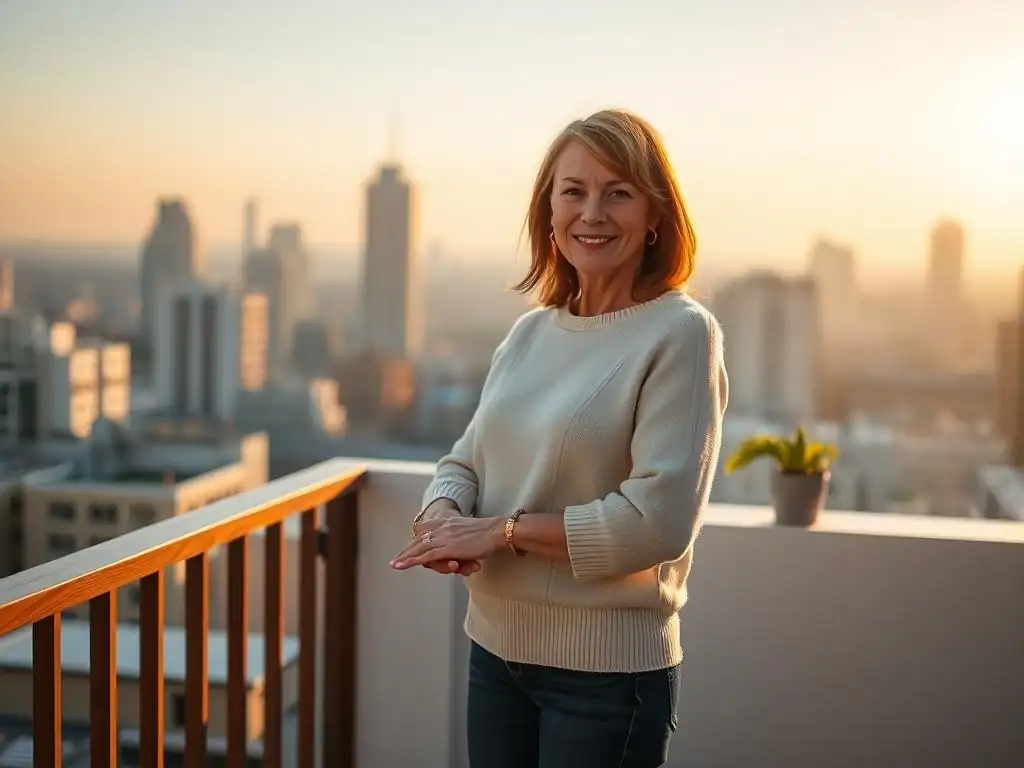
Dating after widowhood, especially in your 40s+, presents unique challenges. It requires courage, self-awareness, and a willingness to embrace vulnerability. However, it's also an opportunity for incredible personal growth and the potential to find fulfilling companionship. This section focuses on building confidence and fostering a positive mindset to navigate this new chapter. Remember, your journey is unique, and there's no right or wrong way to approach dating after loss. The key is to prioritize your well-being and set realistic expectations.
Celebrating Your Strengths and Resilience: Self-Love and Acceptance
Rebuilding your life after the loss of a spouse is a testament to your strength and resilience. Acknowledge and celebrate these qualities. Take time for self-reflection. What are you proud of accomplishing? What are your values? What are your passions? Jot these down; it's a powerful exercise in self-discovery.
This newfound self-awareness will be invaluable as you navigate the dating world. Remember, you are worthy of love and happiness, regardless of your past experiences. Self-love and acceptance are the cornerstones of healthy relationships, both with yourself and others. This is not about forgetting your late spouse, but about honoring their memory by living a full and joyful life. Consider journaling, meditation, or spending time in nature as ways to nurture your self-love. These activities offer a space for reflection and self-care, which are crucial components of building confidence for dating after widowhood.
Focusing on Positive Growth and Self-Discovery: Personal Development
Dating boundaries after widowhood often involve personal growth. This is a time to explore new interests, hobbies, and activities that bring you joy. Consider taking a class, joining a club, or volunteering—anything that allows you to connect with like-minded individuals and expand your horizons. This period of self-discovery can help you identify your needs and desires in a partner and communicate them effectively.
It's also a great way to build confidence and meet new people organically. Think about what you truly want in a relationship and create a list of non-negotiables. This clarity will help you make informed decisions and avoid potentially unhealthy dynamics. Remember to be patient with yourself; personal development is a continuous journey, not a destination.
Enjoying the Dating Journey: Finding Joy and Connection
Dating shouldn't feel like a chore. Embrace the journey and allow yourself to have fun! Remember that dating is about connection, not just finding a partner. Each date is an opportunity to learn, grow, and connect with another human being. If a date doesn't lead to a long-term relationship, it doesn't mean it was a failure. View each experience as a valuable learning opportunity.
Focus on enjoying the process of meeting new people, exploring different personalities, and discovering what you truly want in a partner. Maintain a positive attitude and celebrate the small victories along the way. This perspective shift can significantly impact your overall dating experience and increase your chances of finding a meaningful connection. Remember, patience and persistence are key. Finding the right person takes time, and it's perfectly okay to take breaks when needed. Prioritize your well-being, and let the joy of connection guide you.
Frequently Asked Questions
Dating after widowhood can be challenging. It's crucial to allow yourself time to grieve and heal before jumping back into the dating scene. Focus on self-care and rediscovering your identity.
What are some healthy boundaries to set early on in dating after widowhood?
Establish clear boundaries regarding physical intimacy, emotional availability, and expectations. Communicate openly and honestly about your needs and limitations, respecting both your own and your date's feelings.
How do I discuss my late spouse with potential partners?
It's important to mention your late spouse naturally, but avoid dwelling on the past. Share positive memories and focus on your present life and what you're looking for in a relationship. Honesty and transparency are key.
How can I avoid feeling pressured to move too fast in a new relationship?
Take your time and don't rush into anything you're not comfortable with. Pay attention to your gut feelings and don't let others pressure you into a relationship before you're ready. Prioritize self-care and emotional wellbeing.
Where can I find supportive resources for dating after widowhood?
Online communities, support groups, and even therapy can provide valuable support and guidance. Remember, you're not alone in this journey, and seeking professional help is perfectly acceptable.
Final Reflection: Reclaiming Your Heart, Redefining Your Boundaries
Navigating the complexities of dating after widowhood in your 40s+ requires courage, self-awareness, and a firm commitment to setting healthy boundaries; it's a journey of rediscovering self-worth and embracing a future filled with possibility. The emotional landscape of grief is unique to each individual, yet the need for clear boundaries remains a universal constant in fostering healthy relationships, regardless of age or circumstance. This is not just about protecting yourself from potential hurt; it's about honoring the memory of your past while building a fulfilling future.
The process of establishing and maintaining these boundaries is a continuous evolution, a testament to the resilience of the human spirit. It's about learning to say "no" without guilt, to prioritize your emotional well-being, and to recognize that your worth is not diminished by past loss. As the poet Mary Oliver so eloquently stated: Tell me, what is it you plan to do with your one wild and precious life?
This question becomes even more poignant when facing the challenges of dating after widowhood, urging us to make conscious choices that align with our values and needs.
You are not alone in this journey. Take the time to reflect on your own experiences, identify your personal boundaries, and actively cultivate them. Remember that setting boundaries is an act of self-love, a powerful affirmation of your worth and your right to happiness. Embrace the opportunity to build a future that honors your past while creating space for new love, new connections, and a renewed sense of self. Dare to redefine your definition of happiness, and allow yourself the space to find it.
Rediscover Dating: Your Next Chapter Starts Now
Thank you for exploring the unique journey of dating after widowhood. We hope you found valuable insights and renewed hope for building fulfilling connections. Now, let's put that newfound hope into action!
- Prioritize self-care: Schedule a relaxing activity this week – a massage, a long walk, or anything that nurtures your well-being. This is crucial for cultivating healthy relationships.
- Reflect on your ideal partner: Consider three qualities you're seeking in a partner and three strengths you bring to a relationship. This focused approach will help you find a compatible match.
- Share your boundaries: What's one important boundary you plan to set in your next dating experience? Let's discuss it in the comments!
Ready to confidently embrace this new chapter?