
Dating App Security: Essential Tips to Keep You Safe


Ready to transform your online dating experience? At OnlineDatingSuccess.org, we empower you to navigate the world of digital romance with confidence. But before you dive in, let's talk safety. This article on online dating safety tips reveals crucial strategies to protect yourself and build genuine connections. Discover how to create a secure profile, communicate effectively, and avoid potential pitfalls. Are you ready to date smarter, not harder? Let's get started!
- Understanding Online Dating Safety Risks
- Best Practices for Online Dating Safety
- Safe Communication Strategies on Dating Apps
- Recognizing and Reporting Suspicious Activity
- Staying Safe While Using Online Dating Apps
- Protecting Your Privacy on Dating Apps: A Comprehensive Guide
- Online Dating Safety Tips: A Practical Checklist
-
Frequently Asked Questions
- How can I protect my personal information on dating apps?
- What are some red flags to watch out for in online dating?
- How can I stay safe when meeting someone from a dating app in person?
- What should I do if I feel threatened or harassed on a dating app?
- Are there any apps that offer additional safety features?
- Final Reflection: Navigating the Digital Dating Landscape Safely
- Unlock Your Dating App Confidence: Take Control of Your Safety
Understanding Online Dating Safety Risks
Online dating has revolutionized how people connect and form relationships, offering unprecedented opportunities to meet potential partners. However, this digital landscape also presents unique safety challenges. Navigating the world of online dating requires awareness and proactive measures to protect your personal information, emotional well-being, and financial security.
This article will equip you with essential online dating safety tips, focusing on practical strategies to mitigate risks and foster a positive and secure dating experience. We'll explore common threats, effective communication techniques, and crucial steps to safeguard your privacy and build meaningful connections without compromising your safety. Understanding these risks is the first step towards creating a safer and more fulfilling online dating journey.
Remember, prioritizing your safety shouldn't detract from the joy and excitement of finding love; rather, it enhances the experience by allowing you to focus on building genuine connections with confidence. This guide is designed to empower you to take control of your online dating safety and create a positive and secure experience.
Identifying Potential Threats in Dating Apps
The digital realm of online dating harbors various potential threats. One major concern is the sharing of personal information. Many dating apps require users to provide details like their name, age, location, and sometimes even employment information. This data, if not handled carefully, can be misused for identity theft, stalking, or other malicious activities. Furthermore, the anonymity afforded by some platforms can create opportunities for individuals with harmful intentions to engage in inappropriate or even illegal behavior. It's crucial to be mindful of the information you disclose and to avoid oversharing personal details, especially early in interactions.
Another significant risk is the prevalence of malicious actors who create fake profiles to deceive users. These individuals may use stolen photos, fabricated identities, or misleading information to lure unsuspecting individuals into scams or harmful situations. They might exploit emotional vulnerabilities to manipulate victims into sharing personal information or sending money. This underscores the importance of verifying profiles and exercising caution when interacting with new contacts. Always be aware of red flags and trust your instincts – if something feels off, it probably is. Remember, genuine connections take time to develop, and rushing into a relationship can increase your vulnerability. Finally, the potential for harassment and cyberbullying is significant on dating apps. Users can experience unwanted advances, abusive messages, or even doxing (the public release of private information). Knowing how to report such incidents and protect yourself from online harassment is a critical aspect of online dating safety.
Recognizing Catfishing and Fake Profiles
Catfishing, the act of creating a fake online persona to deceive others, is a prevalent issue in online dating. These fake profiles often use stolen photos and fabricated information to present a false image of the individual behind the profile. Recognizing catfishing attempts requires critical thinking and attention to detail. Inconsistent information across a profile, such as discrepancies between the age, location, or profession stated, should raise suspicion. Be wary of profiles with very few or no photos, or photos that appear professionally taken or overly polished. A lack of personal detail or an unwillingness to share information can also be a red flag.
Furthermore, be cautious of individuals who quickly profess strong feelings or ask for significant favors early on. Genuine connections develop over time, and excessive flattery or pressure can be a warning sign of a fake profile. Always verify the information provided, using reverse image searches to confirm the authenticity of photos and checking social media for corroborating information. Remember, if something seems too good to be true, it probably is. Prioritizing caution and taking the time to verify information can significantly reduce the risk of falling victim to catfishing. It’s always better to err on the side of caution. Your safety and well-being are paramount.
Avoiding Scams and Financial Exploitation on Dating Apps
Financial exploitation is a serious concern in the context of online dating. Scammers often employ sophisticated tactics to gain the trust of their victims and then manipulate them into sending money or sharing financial information. These scams can range from simple requests for small amounts of money to elaborate schemes involving significant financial losses. These individuals might fabricate emergencies, claim to be in financial distress, or invent investment opportunities to coerce victims into sending funds. They often use emotional manipulation and build a sense of trust before making their requests.
To protect yourself from financial exploitation, never send money or share sensitive financial information with someone you've only met online. Be wary of requests for financial assistance, especially if the individual is vague about their needs or refuses to provide details. If someone pressures you for money or asks for your banking information, it's a significant red flag. Remember, legitimate relationships don't involve financial transactions early on. Always report suspicious activities to the dating app platform and consider seeking advice from law enforcement if you suspect you've been targeted by a scam. Protecting your finances is crucial, and maintaining healthy boundaries is essential in fostering safe and secure online interactions.
Protecting Your Personal Information Online
Protecting your personal information is paramount when using online dating apps. Many apps require significant personal data, and it's crucial to understand how this information is handled and what measures you can take to minimize risks. Avoid sharing overly specific details in your profile, such as your exact address, workplace address, or full name if you're using a nickname. Remember that even seemingly innocuous details can be pieced together by malicious actors to create a comprehensive profile, potentially leading to identity theft or stalking. For example, mentioning your favorite local coffee shop could inadvertently reveal your general location.
Consider using a separate email address and phone number specifically for online dating. This creates a layer of separation between your personal and online dating life, limiting the potential exposure of your primary contact information. If you choose to share photos, be mindful of the background. Avoid pictures that clearly show your home address, license plate numbers, or other identifying features.
Many apps offer privacy settings; carefully review and adjust these to control who can view your profile and contact you. Regularly review your privacy settings as apps frequently update their features and policies. Understanding these settings is a crucial aspect of online dating safety tips.
Furthermore, be wary of phishing attempts. Scammers may try to trick you into revealing personal information by posing as representatives of the dating app or by creating fake profiles. Never share sensitive information like bank details, social security numbers, or passwords through the app or via email. Legitimate dating apps will never request such information.
If you receive a suspicious request, report it to the app's support team immediately. This proactive approach forms a significant part of effective online dating safety. Remember, your vigilance is your best defense against online threats. Staying informed about common scams and practicing caution are key components of online dating safety tips for a secure experience.
Best Practices for Online Dating Safety
This section delves into crucial best practices to enhance your online dating safety. Navigating the digital dating world requires vigilance, and proactively implementing these strategies can significantly reduce your risk. Remember, your safety is paramount. These online dating safety tips are designed to empower you to take control of your digital security.
Secure Password Management for Dating Apps
Strong, unique passwords are the cornerstone of online dating safety. Avoid reusing passwords across multiple accounts; if one account is compromised, all others using the same password are at risk. Consider using a password manager to generate and securely store complex passwords for each dating app you use. A strong password should be at least 12 characters long, combining uppercase and lowercase letters, numbers, and symbols. For example, a strong password might look like this: P@$$wOrd123!. Weak passwords, such as "password123" or your birthday, are easily cracked. Regularly update your passwords, aiming for at least every three months, to further enhance your security. Think of password security as a layered defense against potential threats. The more robust your approach, the better protected you are. Failing to use strong and unique passwords is one of the most common mistakes users make, leaving themselves vulnerable to online dating scams and data breaches.
Enabling Two-Factor Authentication (2FA)
Two-factor authentication (2FA) adds an extra layer of security to your dating app accounts. Even if someone obtains your password, they'll still need access to your secondary authentication method, such as your phone or email, to log in. This significantly reduces the risk of unauthorized access. Most dating apps offer 2FA; check your app's settings to enable it.
This simple step can dramatically improve your online dating safety. Imagine the peace of mind knowing that even if your password is compromised, your account remains protected thanks to this additional verification. This is a crucial online dating safety tip, often overlooked but incredibly effective. Without 2FA, you're essentially leaving the front door unlocked.
Reviewing App Permissions and Data Access
Before installing or using any dating app, carefully review the permissions it requests. Many apps ask for access to your contacts, location, photos, and other personal information. Only grant access to features you're comfortable with. Regularly review the permissions you've granted to ensure no unnecessary access is given. Overly broad permissions can expose you to increased risks. Understanding what data an app collects and how it uses that data is crucial for online dating safety.
Be wary of apps demanding excessive permissions that seem unrelated to their core functionality. For example, a dating app shouldn't need access to your microphone unless it offers voice chat features. Protecting your data is an ongoing process, requiring consistent monitoring and review of app permissions. This proactive approach is a key element of responsible online dating safety. Remember, informed consent is your best defense against unwanted data collection.
Regularly Updating Dating Apps and Software
Keeping your dating apps and the software on your devices up-to-date is paramount for online dating safety. Outdated apps often contain security vulnerabilities that hackers can exploit. These vulnerabilities might allow access to your personal information, including photos, location data, and even your contact list. Regular updates patch these security holes, minimizing the risk of data breaches and unauthorized access. Think of it like this: an old, unpatched app is like leaving your front door unlocked – you're inviting trouble.
Many dating apps send push notifications reminding users about available updates. Actively checking for updates on a regular basis, at least once a month, is a proactive measure to ensure you’re using the most secure version. This simple step can significantly reduce your vulnerability to online threats. Furthermore, keeping your operating system (iOS or Android) updated is equally crucial. These operating system updates often include security enhancements that benefit all your apps, including your dating apps. Ignoring these updates leaves your entire device susceptible, not just your dating apps.
Consider the potential consequences of neglecting app updates. A compromised account could lead to identity theft, financial loss, or even harassment. The effort of downloading and installing updates is minimal compared to the potential damage caused by insecure software. By prioritizing regular updates, you are actively protecting yourself and your personal information in the online dating world. Remember, staying updated is a crucial part of maintaining your digital hygiene and enhancing your overall online dating safety. It’s a small step with a significant impact on your security.
Safe Communication Strategies on Dating Apps
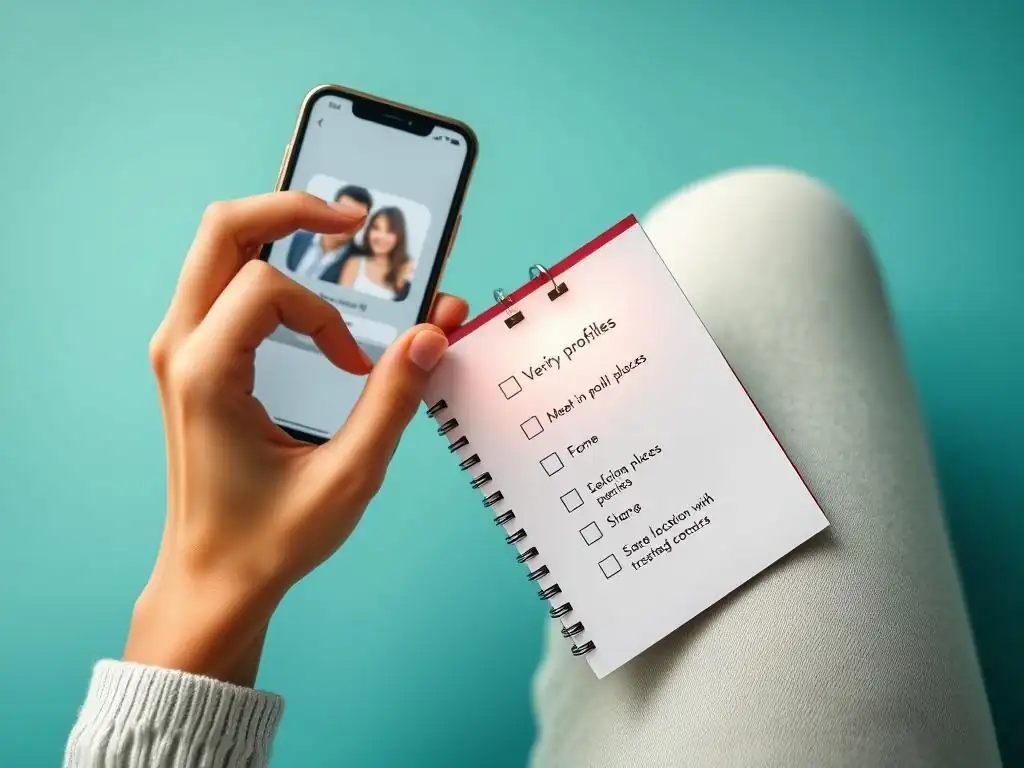
This section focuses on practical strategies to mitigate risks and enhance safety during online dating interactions. Remember, your safety is paramount, and proactive communication is key to building trust and avoiding potential harm. These tips will help you navigate the digital dating landscape with confidence and reduce your vulnerability to online scams and harassment. Implementing these online dating safety tips can significantly improve your experience.
Avoiding Sharing Personally Identifiable Information (PII)
Protecting your Personally Identifiable Information (PII) is crucial for online dating safety. PII encompasses any data that can be used to identify you, such as your full name, address, phone number, workplace, social security number, driver's license number, financial information, and even your exact location. Avoid sharing this information with anyone you meet online until you have met them in person and established a high level of trust.
Even seemingly innocuous details can be pieced together to create a comprehensive profile of you. For example, revealing the name of your workplace and your daily commute routine could allow someone to locate your home.
Here's a breakdown of what to avoid:
- Full Name: Use a nickname or a shortened version of your name initially.
- Address: Never share your full address or even your neighborhood.
- Phone Number: Use a separate phone number for dating apps, if possible, or carefully consider who you share your number with.
- Workplace: Avoid mentioning your specific employer or job title.
- Financial Information: Never discuss your financial details with anyone you've only met online.
- Social Media Profiles: Be cautious about linking directly to your main social media accounts. Consider creating a separate social media profile specifically for dating.
Remember, the goal is to build connections gradually, getting to know someone before revealing sensitive details. This careful approach is a vital online dating safety tip.
Verifying Profiles Before Engaging in Conversation
Before initiating any conversation, take the time to carefully review the profile of the person you're interested in. Look for inconsistencies or red flags that might indicate a fake profile or a potential scammer.
Consider these verification steps:
- Profile Picture Analysis: Reverse image search their profile picture to see if it appears elsewhere online. Be wary of overly polished or professional-looking photos, which may be stock images.
- Bio Consistency: Does their bio seem genuine and consistent with their profile pictures and other information? Check for grammatical errors or inconsistencies that might suggest a fake profile.
- Limited Information: A profile with very little information or a profile that seems too perfect can be a red flag.
- Mutual Connections: If you use a dating app that shows mutual connections, check if you have any mutual friends who can vouch for the person's authenticity. This is a great online dating safety tip often overlooked.
Remember, a thorough profile check is a proactive step towards online dating safety. Don't rush into conversations; take your time to assess the authenticity of the profile before engaging.
Conducting Video Calls Before In-Person Meetings
Before agreeing to an in-person meeting, consider conducting a video call. This allows you to see if the person you're communicating with is who they claim to be and to assess their demeanor and body language. A video call provides an additional layer of security and allows you to get a better sense of their personality before meeting in person.
During the video call, pay attention to:
- Visual Confirmation: Does their appearance match their profile pictures?
- Background Consistency: Does their background seem consistent with their stated location and lifestyle?
- Communication Style: Does their communication style match their online persona?
- Comfort Level: Trust your instincts. If something feels off, don't feel obligated to proceed with an in-person meeting.
A video call isn't a foolproof method, but it's an important step in verifying the identity of someone you've met online and enhancing your online dating safety. Prioritizing your safety is crucial, and this simple step can significantly reduce your risk. This is an essential online dating safety tip to ensure a safer dating experience.
Meeting in Public Places for First Dates
Choosing a public location for your first date is paramount for online dating safety. This isn't just about feeling comfortable; it's about prioritizing your personal security. A bustling coffee shop, a well-lit restaurant, or even a popular park during daylight hours offer a level of safety that a secluded spot simply cannot match. These places provide natural surveillance – other people are present, potentially witnessing any unusual behavior. This acts as a deterrent to anyone with malicious intent.
Remember to choose a place you're familiar with, somewhere you feel comfortable and confident navigating. Having a clear escape route in mind can also provide a sense of security. Don't feel pressured to accept a date suggestion that makes you uneasy; your safety and comfort should always come first. If your date insists on a more private location for your first meeting, it's a significant red flag and you should reconsider proceeding with the date.
Prioritizing your safety means trusting your instincts; if something feels off, it probably is. There are countless public places suitable for a first date, so don't compromise your safety for the sake of convenience or politeness. A safe and comfortable first date sets a positive tone for any potential future interactions.
Proactive measures are key when it comes to online dating safety, and sharing your location is one of the most effective. Before embarking on a date, inform a trusted friend or family member about your plans. Share the date's name, their profile information (if comfortable), the location, and the estimated time you expect to return.
Consider using a location-sharing app that allows them to track your whereabouts in real-time. This provides an extra layer of security and ensures someone knows your location and can contact you if needed. Regular check-ins throughout the date can also be beneficial, especially if the date is longer or involves changing locations.
This practice isn't about being overly cautious; it's about being prepared. It empowers you with a safety net, allowing you to enjoy your date knowing that someone is aware of your whereabouts. It’s crucial to choose someone you truly trust and who will be readily available to assist if necessary. This simple action can make a significant difference in ensuring your safety and peace of mind while navigating the world of online dating. Remember, responsible safety measures shouldn't detract from the enjoyment of dating; they enhance it by minimizing potential risks.
Recognizing and Reporting Suspicious Activity

This section focuses on proactive measures to identify and address potentially harmful situations encountered while using dating apps. Staying vigilant is crucial for maintaining your online dating safety. Remember, your safety and well-being are paramount. These online dating safety tips will help you navigate potentially risky situations.
Identifying Red Flags in Online Interactions
Identifying potentially dangerous individuals early on is key to mitigating risk. Several red flags can signal trouble. Pay close attention to communication patterns and behavioral cues. Here are some examples:
- Inconsistent or evasive information: Be wary of profiles with vague details, missing information, or contradictory statements. Do they avoid answering direct questions about their life? This could be a sign of deception.
- Pressure for quick intimacy: Individuals who push for rapid physical encounters or rush the relationship process often lack genuine intentions. Healthy relationships develop at a natural pace.
- Excessive flattery or unrealistic promises: Be cautious of overly flattering messages or promises that seem too good to be true. These may be tactics to manipulate you.
- Controlling or possessive behavior: Early signs of controlling behavior, like demanding excessive attention or jealousy, are serious warning signs. Respectful relationships prioritize individual autonomy.
- Requests for financial assistance: Never send money or provide financial information to someone you've only met online. This is a common tactic of scammers.
- Sudden shifts in communication style: A dramatic change in the tone or content of messages, such as becoming intensely romantic out of the blue, can be a red flag.
- Avoidance of video calls: A persistent refusal to engage in video calls, despite your requests, could indicate they are hiding their true identity.
Remember, trusting your instincts is crucial. If something feels off, it probably is. Prioritize your safety and don't hesitate to end communication with anyone who raises concerns. These online dating safety tips are designed to empower you to make informed decisions.
Reporting Inappropriate Behavior or Harassment
If you encounter inappropriate behavior or harassment on a dating app, reporting it is crucial. Most platforms have robust reporting mechanisms designed to address such issues. Don't hesitate to utilize these tools. Reporting not only protects you but also helps create a safer environment for other users.
Here's a step-by-step guide on how to effectively report inappropriate behavior:
- Gather evidence: Save screenshots of messages, profile information, and any other relevant evidence that demonstrates the inappropriate behavior. This will strengthen your report.
- Follow the app's reporting guidelines: Each app has its own reporting process. Carefully review their help section or FAQ to understand the steps involved.
- Be specific and detailed in your report: Clearly describe the incident, including dates, times, and specific examples of the inappropriate behavior.
- Remain calm and professional: While expressing your concerns firmly, avoid using inflammatory language in your report. A clear and concise report is more effective.
- Follow up if necessary: If you haven't received a response within a reasonable timeframe, consider contacting the app's customer support directly.
Understanding Dating App Reporting Mechanisms
Dating apps vary in their reporting mechanisms. Some apps offer in-app reporting features, while others may require you to contact customer support directly. Understanding how each app handles reports is crucial to ensuring your safety. Many apps utilize sophisticated algorithms to detect and flag suspicious activity, enhancing your online dating safety.
| App Feature | Description | Effectiveness |
|---|---|---|
| In-App Reporting | Allows users to report profiles or messages directly within the app. | Generally High |
| Customer Support | Provides a direct line of communication for reporting serious incidents. | High |
| Automated Systems | Algorithms detect suspicious activity, such as fake profiles or abusive messages. | Moderate to High |
| Blocking Features | Allows users to block specific profiles to prevent further contact. | High |
Remember, reporting is a vital step in maintaining a safe online dating experience. By actively reporting inappropriate behavior, you contribute to a healthier and safer community for everyone. These online dating safety tips are designed to empower you to take control of your online safety. Your safety is our priority.
Seeking Support from Dating App Customer Service
Dating apps prioritize user safety, and most offer robust customer support channels. Don't hesitate to report suspicious behavior or any violation of their terms of service. Many apps have in-app reporting mechanisms, often a simple button or flag next to a user's profile or message. These reports are usually reviewed by a team dedicated to ensuring user safety. The more detailed your report, the better. Include screenshots of messages, profile information, and any other evidence that supports your claim. This detailed information helps the app's moderators take appropriate action, which may include banning the offending user.
Remember that reporting isn't just for extreme cases like explicit threats. If you feel uncomfortable with someone's persistent advances, even if they haven't crossed any explicit lines, reporting it is still a good idea. These smaller incidents, when reported in aggregate, can help the platform identify patterns of abusive behavior and improve its safety measures for everyone.
Many apps also provide resources and guidance on how to block users and manage your privacy settings. Familiarize yourself with these tools; they are your first line of defense against unwanted interactions. Proactive management of your profile and communication settings is a key aspect of online dating safety tips.
Beyond in-app reporting, most apps provide additional contact information for customer service, often through email or a help center. If you've reported an issue in-app and haven't received a response, or if you have a more complex situation to discuss, directly contacting customer service is a valuable next step. Be prepared to provide the same detailed information you included in your in-app report.
Remember to keep records of all your communications with the app's customer service team; this documentation can be helpful if you need to escalate the issue further. Effective communication with the app's support team is crucial for resolving concerns and ensuring your safety within the online dating environment. This proactive approach contributes significantly to your overall online dating safety.
Staying Safe While Using Online Dating Apps
This section focuses on practical strategies to enhance your online dating safety. Navigating the digital world of dating requires vigilance and proactive measures to protect your personal information and well-being. Remember, your safety is paramount. These tips are designed to help you enjoy the online dating experience while minimizing risks. Effective online dating safety is a continuous process, requiring constant awareness and adaptation to evolving threats.
Using Separate Email Addresses for Dating
Creating a dedicated email address solely for online dating significantly reduces the risk of exposing your primary email to potential spam, phishing attempts, or unwanted solicitations. This simple step adds a crucial layer of protection to your personal and professional communications. Think of it as compartmentalizing your digital life. Your main email is for important correspondence, while your dating email acts as a buffer, isolating your primary inbox from the potential influx of messages from dating platforms.
Consider using a privacy-focused email provider that offers robust spam filtering and enhanced security measures. Many free options exist, and the small investment in time to set up a new account is far outweighed by the enhanced security it provides. This is a crucial online dating safety tip often overlooked, but its impact on your overall security is substantial. Regularly check your dating email for suspicious activity, and report any concerning messages or profiles immediately to the dating platform.
Furthermore, avoid using your work email address for dating apps. This prevents a potential clash between your professional and personal lives, and protects your employer from unwanted communications. Maintaining this separation safeguards both your professional reputation and your personal security.
Linking your dating profiles to your primary social media accounts can unintentionally expose a wealth of personal information to strangers. This includes your location, friends' details, and even your daily routines, creating vulnerabilities that can be exploited. Therefore, maintaining strict privacy settings on platforms like Facebook, Instagram, and Twitter is essential for online dating safety.
Review your privacy settings regularly. Limit who can see your posts, photos, and location data. Opt-out of location tagging whenever possible. Only share information you are comfortable being publicly accessible. Think carefully about the information you provide on your dating profiles; avoid sharing overly specific details that could be used to identify your home or workplace. Remember, less is often more when it comes to protecting your personal data.
Consider creating a separate social media account specifically for dating, if you choose to link social media to your dating profile at all. This provides an additional layer of security by isolating your personal accounts from the potentially less secure environment of online dating. This allows for more controlled information sharing, mitigating the risks associated with linking your main profiles.
Being Aware of Your Surroundings During Dates
While online dating safety extends to your digital footprint, it's equally crucial to prioritize your physical safety during in-person meetings. Always meet in public places for your first few dates, and inform a trusted friend or family member of your plans – including the time, location, and the person you're meeting. Share your date's profile information with them as well.
Choose well-lit and populated areas for your dates. Avoid secluded locations or poorly-lit settings. Trust your instincts; if something feels off, don't hesitate to leave. Have a plan for safe transportation, whether it's your own vehicle, a ride-sharing service, or public transport. Always be aware of your surroundings, and avoid distractions that might compromise your awareness.
Maintaining situational awareness is key to your physical safety. This means being alert to your environment and the people around you. Avoid oversharing personal information during your initial interactions. Take precautions to protect yourself from any potential threats. Online dating safety extends beyond the digital realm and requires vigilance in the physical world as well. Remember, your safety is your responsibility.
Knowing Your Legal Rights and Options
Understanding your legal rights is crucial for navigating the sometimes-murky waters of online dating. While dating apps often have terms of service outlining their responsibilities, knowing your recourse in case of harassment, scams, or even identity theft is paramount to your safety. Many jurisdictions offer robust legal protections for victims of online harassment and fraud.
These protections can involve civil lawsuits against perpetrators or reporting incidents to law enforcement. Knowing what constitutes illegal activity in your area is essential. For instance, threats of violence, stalking, or the dissemination of intimate images without consent are serious crimes with significant legal consequences for offenders.
It's important to remember that you are not alone. Many resources are available to assist you if you experience any form of online abuse or harassment. Organizations dedicated to protecting victims of online crime often offer legal advice, support, and guidance on reporting incidents to the appropriate authorities. These organizations can help you understand your rights and options, navigate the legal process, and ensure your safety and well-being. They can also provide crucial information on preserving evidence, which is vital in any legal action.
Don't hesitate to seek professional legal counsel if you're unsure about your rights or the best course of action. Remember, protecting yourself legally is just as important as protecting yourself online. Taking proactive steps to understand your legal options empowers you and enhances your overall online dating safety. This proactive approach is a vital component of comprehensive online dating safety tips.
Protecting Your Privacy on Dating Apps: A Comprehensive Guide

This section delves into the crucial aspects of safeguarding your personal information while using dating apps. Navigating the digital dating world requires a proactive approach to privacy, going beyond simply choosing a reputable platform. Understanding how to effectively manage your privacy settings and online presence is key to a safe and positive online dating experience. Remember, your safety and peace of mind are paramount. Let's explore the essential steps you can take to protect yourself.
Privacy Settings Customization on Popular Dating Apps
Different dating apps offer varying levels of privacy control. Understanding and customizing these settings is vital for managing your online visibility and protecting your personal data. For example, consider these common features and how to optimize them:
- Profile Visibility: Many apps allow you to control who can see your profile. Some offer options like "mutual match only," meaning your profile is only visible to users who have already expressed interest. Others allow you to restrict visibility based on location or age range. Actively utilize these features to limit unwanted attention.
- Photo Settings: Think carefully about the photos you share. Avoid posting images that reveal identifying information such as your home address or workplace. Control who can see your photos – some apps allow you to have different levels of access for different photos.
- Location Services: Dating apps often utilize location services to suggest matches nearby. However, sharing your precise location can pose security risks. Explore the app's settings to restrict location sharing to a broader area or disable it entirely if you feel uncomfortable.
- Messaging Controls: Manage who can message you. Some apps allow you to block specific users or report inappropriate behavior. Utilize these features to avoid unwanted contact and maintain a safe communication environment.
- Data Sharing Preferences: Carefully review what data the app collects and how it uses it. Many apps have detailed privacy policies. Understanding these policies is critical to informed consent. Opt-out of unnecessary data sharing whenever possible.
| App Feature | Recommended Setting | Security Benefit |
|---|---|---|
| Profile Visibility | Mutual match only or highly restricted | Limits exposure to unwanted contacts |
| Photo Sharing | Selective photo uploads; avoid revealing details | Prevents potential stalkers from identifying you |
| Location Services | Broad location sharing or disabled | Reduces the risk of precise location tracking |
| Messaging Controls | Block and report functionality actively used | Maintains control over communication and safety |
| Data Sharing Preferences | Opt-out of non-essential data collection | Protects personal information from misuse or leaks |
Remember to regularly check for updates to your chosen app's privacy settings. App developers often introduce new features and improvements that may impact your privacy.
Managing Your Online Presence to Minimize Risks
Beyond app settings, your overall online presence significantly impacts your safety on dating apps. Consider these points:
- Social Media Connections: Avoid directly linking your dating app profile to your primary social media accounts. This could compromise your privacy and expose sensitive information.
- Reverse Image Search: Be mindful of the photos you use. A simple reverse image search can reveal where else your images appear online, potentially exposing more information than you intend.
- Information Sharing: Avoid sharing overly personal information, such as your full address, workplace, or financial details, in early stages of online communication. This information should only be shared with someone you trust and have met in person.
- Background Checks: While not always foolproof, conducting background checks on potential matches (using publicly available information) can help you assess their trustworthiness. This is an optional but potentially helpful safety measure.
Building a safe online dating experience involves a layered approach to protection. Start with secure app settings, then extend this vigilance to your broader online presence.
The Importance of Regularly Reviewing Your Privacy Preferences
Your privacy needs may evolve over time. It's crucial to regularly review and adjust your privacy settings on your dating apps. Consider this a proactive maintenance task, much like updating software on your computer or phone.
- Periodic Audits: At least once every three months, take some time to revisit your privacy settings on each dating app you use. Check for any new options or changes to existing settings.
- App Updates: Pay attention to app update notifications. These updates often include privacy improvements or bug fixes that may affect your security.
- Stay Informed: Keep abreast of online safety news and best practices. Learning about emerging threats and new security measures will help you stay ahead of potential risks.
By making regular privacy checks a habit, you are actively contributing to a safer and more enjoyable online dating experience. Remember, protecting your privacy is an ongoing process, not a one-time task.
Online Dating Safety Tips: A Practical Checklist
This section provides a comprehensive checklist to enhance your online dating safety. Remember, prioritizing your well-being is paramount. These tips are designed to help you navigate the digital dating world with confidence and minimize potential risks. Effective online dating safety is a proactive process, not a reactive one.
Before You Start: Essential Security Steps
Before even creating a profile, take these crucial steps to lay a strong foundation for your online dating safety. Think of this as building a secure digital fortress around your personal information.
Proactive measures are key to minimizing risk. Before diving into the world of online dating, consider these essential steps:
- Create strong, unique passwords: Avoid using easily guessable passwords like your birthday or pet's name. Use a password manager to generate and store complex, unique passwords for each dating app. This prevents a breach in one app from compromising your accounts elsewhere. Consider incorporating a mix of uppercase and lowercase letters, numbers, and symbols.
- Enable two-factor authentication (2FA): This adds an extra layer of security by requiring a code from your phone or email in addition to your password. Even if someone obtains your password, they won't be able to access your account without this second verification. Many dating apps offer this feature; ensure it's enabled on all your accounts.
- Review app permissions: Carefully review the permissions each dating app requests. Only grant access to features that are absolutely necessary. Avoid apps that request excessive permissions, especially those unrelated to core dating functionalities. Excessive permissions can indicate a potential privacy risk.
- Use a separate email address: Creating a dedicated email address solely for online dating helps protect your personal inbox from spam and potential phishing attempts. This keeps your primary email address secure and prevents unwanted communications from spilling over into your personal life.
- Protect your location: Avoid sharing your precise location until you've met someone in person and trust them. Many dating apps allow you to share your general location, which is a safer alternative. Over-sharing your location can significantly increase your vulnerability.
During the Dating Process: Safe Communication & Interaction
Once you've taken the preliminary security steps, focus on safe communication and interaction practices within the app. This is where the rubber meets the road in online dating safety.
Safe communication and interaction are critical. Here’s how to navigate this stage safely:
- Be cautious about sharing personal information: Avoid sharing sensitive details like your full address, workplace, or financial information until you've met someone in person and developed trust. Remember, even seemingly harmless information can be used to target you.
- Verify profiles: Be wary of profiles that seem too good to be true or lack sufficient information. Look for red flags like inconsistent photos, grammatical errors, or vague descriptions. Reverse image search profile pictures to ensure authenticity.
- Video chat before meeting in person: This allows you to verify the person's identity and get a better sense of their personality before meeting offline. This is a crucial step in mitigating risks and building trust.
- Meet in a public place for your first date: Choose a well-lit, populated area for your first meeting. Let a friend or family member know where you're going, who you're meeting, and when you expect to be back. Sharing your location with a trusted contact enhances safety.
- Trust your instincts: If something feels off, don't hesitate to end the conversation or cancel a date. Your safety and comfort are paramount. Never feel pressured to do anything you don't feel comfortable with.
After the Date: Reviewing and Evaluating Your Experience
Even after a date, maintaining awareness and reviewing your experience contributes to your overall online dating safety. Post-date reflection is a critical element of responsible online dating.
Reviewing and evaluating your experience is a crucial step. Consider these points:
- Review your interactions: Reflect on the communication and interactions you had. Did anything seem suspicious or off? Note any red flags you may have missed. This helps you learn and improve your safety practices for future interactions.
- Report inappropriate behavior: If you experienced any harassment, abuse, or other inappropriate behavior, report it to the dating app immediately. Many apps have robust reporting mechanisms to address such issues.
- Update your privacy settings: Regularly review and update your privacy settings on all your dating apps. Adjust these settings as needed to reflect your comfort level and reduce your vulnerability. Regular updates ensure that your privacy settings remain relevant and effective.
- Continuously educate yourself: Stay updated on the latest online dating safety tips and best practices. The online landscape is constantly evolving, so continuous learning is essential for maintaining your safety. This ongoing education enhances your ability to protect yourself effectively.
Remember, online dating safety is an ongoing process. By consistently applying these tips and staying vigilant, you can significantly reduce your risks and enjoy a safer and more positive online dating experience. Prioritize your safety and well-being throughout your online dating journey.
Frequently Asked Questions
How can I protect my personal information on dating apps?
Never share sensitive information like your full address, workplace, or financial details early on. Use a separate email address and phone number for dating apps, and be wary of requests for this information. Verify profiles before meeting in person.
What are some red flags to watch out for in online dating?
Be cautious of profiles with limited information, inconsistent details, or overly flattering photos. Avoid anyone who pressures you to meet quickly or share personal details prematurely. Trust your instincts; if something feels off, it probably is.
How can I stay safe when meeting someone from a dating app in person?
Always meet in a public place for your first date. Let a friend or family member know where you're going, who you're meeting, and when you expect to be back. Trust your gut; if you feel uncomfortable, leave.
What should I do if I feel threatened or harassed on a dating app?
Report the user to the app's administrators immediately. Block the user and save any evidence of harassment, such as screenshots or messages. Consider contacting the authorities if you feel your safety is at risk.
Are there any apps that offer additional safety features?
Many apps offer features like background checks, profile verification, and in-app safety tools. Research different apps and choose one that prioritizes user safety. Read reviews and look for apps with robust reporting mechanisms.
The rise of online dating has fundamentally altered how we connect, yet the ease of access also presents significant security risks. This digital frontier, while offering exciting possibilities for romance, demands a heightened awareness of potential dangers. Ignoring these risks can have serious consequences, impacting not only our emotional well-being but also our personal safety.
The pervasive nature of online dating means that the lessons learned about staying safe online are constantly evolving, requiring us to remain vigilant and adaptable. The sheer volume of interactions and the anonymity afforded by many platforms create fertile ground for malicious actors. The internet is a powerful tool, but it's also a wild west. We must be our own sheriffs in the digital age.
This quote underscores the personal responsibility we all share in protecting ourselves online, particularly within the context of dating apps. The ongoing evolution of scams and predatory behavior necessitates continuous learning and adaptation to stay ahead of the curve.
You, the reader, now hold the knowledge to navigate the complexities of online dating more securely. Take the time to review the tips outlined in this article, and actively incorporate them into your online dating experience. Don't let fear paralyze you; instead, let awareness empower you to connect authentically and safely. Embrace the potential of online dating while safeguarding your well-being. Your safety is paramount, and your journey to finding meaningful connections should be one of empowerment, not apprehension.
Unlock Your Dating App Confidence: Take Control of Your Safety
Thank you for learning about online dating safety! We hope this article has empowered you to navigate the digital dating world with greater confidence. Now, let's put that knowledge into practice.
- Prioritize your privacy: Review and adjust the privacy settings on all your dating apps. This simple step can significantly reduce your risk of unwanted contact or exposure.
- Share this advice: Help your friends build safer online dating experiences by sharing this article with them.
- Use a dedicated email address: Consider creating a separate email account specifically for dating apps to protect your personal inbox.
Ready to make your online dating journey safer and more enjoyable? What's one privacy setting you'll adjust today?