
Setting Boundaries Around Personal Information: Stay Safe While Dating Online


Welcome to OnlineDatingSuccess.org, your guide to navigating the exciting yet sometimes treacherous world of online dating. Are you ready to find genuine connection but unsure how to protect yourself? This site is dedicated to helping you thrive in the online dating sphere. Learn crucial strategies for building successful relationships, starting with our essential article on online dating safety boundaries. Discover how to confidently establish healthy limits and create a secure space for yourself while searching for love. Let’s unlock the secrets to a safer and more rewarding online dating experience.
- Understanding Online Dating Safety Boundaries: Protecting Your Personal Information
- Establishing Clear Boundaries with Potential Matches
- Safeguarding Your Digital Footprint: Online Dating Privacy
- Online Dating Safety Boundaries: Practical Tips and Strategies
- Building Trust and Maintaining Safety in Online Dating Relationships
- Resources and Further Support for Online Dating Safety
-
Frequently Asked Questions
- How much personal information is too much to share early on in online dating?
- What are some examples of healthy online dating boundaries?
- How can I protect myself from scams and catfishing while online dating?
- What are some red flags to watch out for regarding online dating safety?
- What should I do if I feel uncomfortable or unsafe during an online dating interaction?
- Final Reflection: Reclaiming Control in the Digital Dating World
- Take Control: Secure Your Online Dating Journey
Understanding Online Dating Safety Boundaries: Protecting Your Personal Information
Online dating offers exciting possibilities for connection and romance, but it's crucial to navigate this digital landscape with caution. Protecting your personal information and setting clear boundaries is paramount to ensuring a safe and positive online dating experience. This article will guide you through establishing healthy boundaries to protect your privacy and well-being while exploring the world of online dating.
We'll explore how to define your personal limits, recognize potentially dangerous behaviors, and understand the importance of gradually disclosing personal information. Successfully navigating online dating involves a delicate balance between openness and self-preservation – learning to set and maintain these boundaries is key to achieving a safe and rewarding experience. Remember, your safety and comfort are paramount, and establishing strong boundaries empowers you to take control of your online dating journey.
This guide will equip you with the knowledge and strategies to confidently build meaningful connections while prioritizing your personal security. Let's delve into the specifics of creating a safe and positive online dating experience.
Defining Your Personal Limits in Online Dating Interactions
Before you even create your profile, consider what information you're comfortable sharing. This involves a thoughtful assessment of your personal limits. Many people unwittingly overshare, leading to potential risks. Think carefully about what information is truly necessary to share with someone you've just met online. A well-defined strategy for personal information disclosure is crucial for online dating safety.
Consider these questions:
- What personal details am I comfortable sharing early on? (e.g., age, location, profession)
- What information should I withhold until I've met someone in person and built trust? (e.g., full address, workplace address, family details)
- What types of conversations and topics am I comfortable discussing online?
- What are my boundaries regarding sharing photos and videos? (Consider avoiding photos that reveal specific details about your home or workplace)
- What level of physical intimacy, if any, am I comfortable discussing online?
- What are my limits regarding frequency and intensity of communication?
- What are my non-negotiable boundaries regarding inappropriate behavior or requests?
Creating a mental checklist of these boundaries will help you navigate interactions confidently and consistently. Remember, you have the right to say no and to end any interaction that makes you uncomfortable. Your comfort and safety are always the priority. 1
Recognizing Red Flags: Identifying Potentially Dangerous Online Behaviors
Knowing what constitutes potentially dangerous behavior is vital for online dating safety. Red flags can manifest in various ways, and learning to recognize them is crucial for protecting yourself. Be wary of individuals who:
- Pressure you to share personal information too quickly. A healthy relationship develops gradually, and rushing the process of information sharing is a major red flag.
- Are excessively secretive about their own lives. A lack of transparency should raise concerns.
- Become overly possessive or controlling in their communication. Healthy relationships are built on mutual respect and independence.
- Engage in harassing or threatening behavior. This includes any form of verbal abuse, threats, or intimidation.
- Attempt to manipulate or guilt you into doing something you're uncomfortable with. Always trust your instincts and prioritize your well-being.
- Ask for financial assistance or make inappropriate financial requests. This is a classic scam tactic.
- Have inconsistent or conflicting information in their profile. Inconsistencies might be a sign of deception.
- Avoid meeting in person, despite repeated attempts. Genuine connections typically lead to real-life interactions.
Remember, these are just some examples, and any behavior that makes you feel uneasy or unsafe should be taken seriously. Trust your gut instincts. If something feels off, it probably is. Your safety is non-negotiable.
The Importance of Gradual Information Disclosure in Online Dating
Gradual information disclosure is a cornerstone of online dating safety. Don't rush into sharing personal details with someone you've just met online. Instead, build trust over time through consistent and meaningful interactions. Begin by sharing only basic information, and gradually reveal more as you get to know the person and feel more comfortable.
Consider this phased approach:
| Phase | Information Shared | Precautions |
|---|---|---|
| 1 | Basic profile information (age, location, interests) | Verify profile information where possible. |
| 2 | More detailed interests, hobbies, and lifestyle preferences | Be cautious about sharing too much personal detail in this phase. |
| 3 | Professional background and educational history | Avoid sharing sensitive details about your workplace or personal financial status. |
| 4 | Phone number, social media handles (optional) | Proceed with caution. Consider using a separate social media account for dating. |
| 5 | Address (only after meeting in person and building trust) | Meet in a public place for the first few meetings. |
This phased approach minimizes risk and allows you to assess the person's intentions and trustworthiness before sharing sensitive personal information. Remember, you are in control of how much you share and when.
1 This is a general guideline; specific details should be tailored to individual comfort levels and circumstances.
Establishing Clear Boundaries with Potential Matches
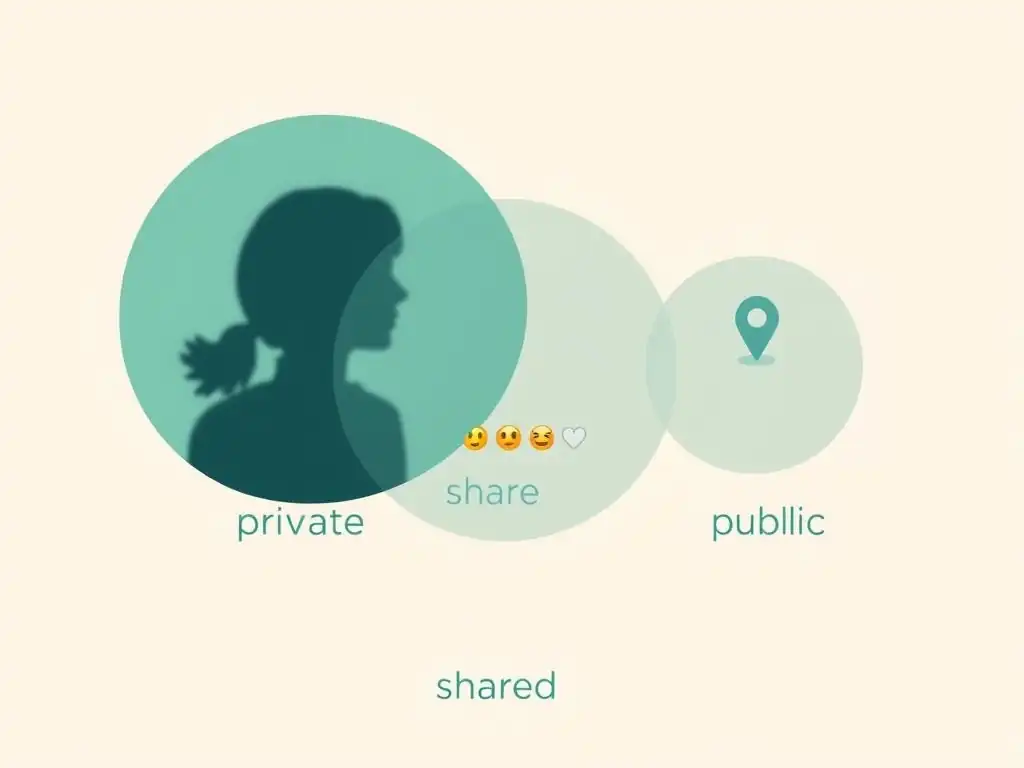
This section focuses on proactively setting boundaries from the outset of online interactions to foster a safer and more respectful online dating experience. Many people underestimate the importance of establishing clear boundaries early on, leading to uncomfortable or even dangerous situations. Remember, setting boundaries isn't about being unfriendly; it's about protecting your well-being and ensuring healthy interactions. Think of it as self-care in the digital realm.
Protecting Your Location and Personal Address Online
Sharing your precise location or personal address too early in the online dating process is a significant online dating safety risk. Many successful relationships begin online, but rushing into revealing personal details can compromise your safety. Instead of providing specific addresses, consider using more general location references. For example, instead of saying "I live on Elm Street," you might say "I live in the suburbs of [City Name]".
Avoid posting photos that clearly reveal your home address or workplace. This includes images of your house number, street signs, or even landmarks easily identifiable in your neighborhood. Think twice before geotagging your photos – many social media platforms automatically add location data to your pictures, increasing your vulnerability. Remember, even seemingly innocuous details can be pieced together by someone with malicious intent. The goal is to maintain a level of anonymity until you've established trust and met in person.
This requires careful consideration of every detail you share. Even seemingly harmless details like your workplace or favorite coffee shop can be used to track your movements and routine. Prioritize vague descriptions over precise details, at least until you feel confident in your interaction. Consider using a virtual mailbox or a separate email address for online dating to further protect your privacy. The practice of “online dating safety boundaries” is crucial for building trust and avoiding potential danger.
Safe Communication Practices: Avoiding Sensitive Information Sharing
Open and honest communication is key to successful online dating, but it's crucial to be selective about what information you share, especially early on. Avoid disclosing highly sensitive personal data such as your full name, date of birth, social security number, bank account details, or other identifying information. This information should be kept strictly private until you've built a strong foundation of trust with your potential partner.
Over-sharing can also create vulnerabilities. Refrain from discussing intimate details about your family, financial situation, or past traumas until you have established a genuine connection and a high level of comfort with the person. Remember, not everyone online has good intentions. Protecting your personal information is crucial for maintaining your online dating safety boundaries.
Consider using a pseudonym or a nickname initially to maintain a level of anonymity. This allows you to explore a connection without immediately revealing your full identity. This is particularly relevant during the initial stages of online dating before you've had the opportunity to verify the other person's identity and intentions. This strategy effectively contributes to the overall safety of your online dating experience.
Setting Boundaries on Physical Meetings: Prioritizing Safety
Meeting someone you've met online in person requires careful planning and consideration of your safety. Never rush into a physical meeting. Take your time getting to know your date online before agreeing to meet in person. Video calls can be a great way to confirm the identity of your potential partner and assess their demeanor before committing to a face-to-face meeting.
Always choose a public place for your first meeting. Let a trusted friend or family member know where you're going, who you're meeting, and when you expect to be back. Share your location with them in real-time, using location-sharing apps if possible. Have a plan for how you'll get home safely, and don't hesitate to leave if you feel uncomfortable at any point. Your safety is paramount. This approach to physical meetings is essential for practicing responsible online dating safety boundaries.
Remember, trusting your instincts is crucial. If something feels off or makes you uneasy, don't hesitate to end the date or interaction. Your comfort and safety should always be your top priority. Establishing and maintaining strong online dating safety boundaries is a continuous process, requiring constant vigilance and self-awareness. Prioritizing your safety and well-being throughout the entire process is key to a positive and safe online dating experience.
Safeguarding Your Digital Footprint: Online Dating Privacy
Protecting your personal information while online dating is crucial for your safety and well-being. This involves understanding the potential risks and proactively implementing strategies to minimize your digital footprint. The goal isn't to become completely invisible, but rather to be discerning about what information you share and with whom. This proactive approach to online dating safety boundaries is key to building trust and avoiding potential dangers. Think of it as a layered security system for your personal data.
Managing Your Online Presence: Protecting Your Reputation
Before even creating a dating profile, consider your existing online presence. A quick Google search of your name can reveal surprising information. Are there old social media posts or online articles that might paint an inaccurate or undesirable picture of you? Addressing these issues before entering the online dating world is a proactive step towards protecting your reputation.
Consider reviewing and adjusting your privacy settings on all social media platforms. Think about removing any content that could be misinterpreted or used against you. Remember, your online dating safety boundaries extend beyond your dating profiles; they encompass your entire online identity. This includes anything that could be easily found through a simple search.
A good rule of thumb is to imagine your grandmother seeing your online profile. Would you be comfortable with her seeing everything you've posted? If the answer is no, it might be time to reconsider what you share publicly. This applies not just to photos, but also to your comments, posts, and even your activity on different platforms. Online dating safety boundaries also involve being mindful of the information you implicitly share through your online behavior.
Many social media platforms offer robust privacy settings. Take the time to explore these settings and adjust them to your comfort level. This might involve limiting who can see your posts, photos, and personal information. For example, you can restrict your profile to only your friends or even make it completely private.
Consider disabling location tagging on your posts, as this could reveal your address or regular locations to strangers. Remember, even seemingly innocuous information can be pieced together to create a more complete picture of your life, potentially compromising your safety. Regularly reviewing and updating your privacy settings is a crucial aspect of maintaining strong online dating safety boundaries. Treat your privacy settings as a living document, not a one-time setup.
Think about separating your professional and personal social media accounts. This way, even if someone finds one, they won't automatically have access to the other. This adds another layer of protection to your online dating safety boundaries. This simple step can substantially reduce the risk of unwanted exposure of your personal information.
The Risks of Oversharing Personal Information on Dating Apps
Oversharing personal information on dating apps is a significant risk. Avoid revealing sensitive details like your exact address, place of work, or full name immediately. Many dating apps already provide a degree of anonymity, so leverage these features. Be cautious about sharing identifying information such as your workplace, your children's names and schools, or even your daily routine. Such information could be used to track your movements or even to target you or your family. Remember, online dating safety boundaries are about protecting yourself and those close to you.
Consider using a separate email address and phone number specifically for online dating. This creates an additional layer of security, preventing the potential link between your dating profile and your personal life. This separation provides a clear boundary between your online dating activities and your private information.
It’s a simple yet effective measure to enhance your online dating safety boundaries and protect your privacy. Protecting your personal information is an ongoing process, requiring vigilance and attention to detail. By consistently employing these strategies, you can significantly reduce your vulnerability and enjoy the online dating experience with greater peace of mind.
Online Dating Safety Boundaries: Practical Tips and Strategies

This section delves into the crucial aspects of establishing and maintaining strong online dating safety boundaries. Protecting your personal information is paramount when navigating the world of online dating, and understanding how to do so effectively can significantly reduce your risk and enhance your overall experience. We'll explore practical strategies and tools to help you build a safer online dating journey. Remember, setting clear boundaries is not just about safety; it's also about respecting yourself and attracting healthy relationships.
Utilizing Dating App Privacy Features: Enhanced Security Measures
Modern dating apps offer a range of privacy features designed to protect user information and enhance safety. Understanding and utilizing these features is a crucial first step in establishing strong online dating safety boundaries. Many apps allow you to control who can see your profile, message you, and access your location data. Take the time to explore these settings thoroughly.
For example, consider these specific features and how they contribute to your safety:
- Location Settings: Many apps allow you to share your approximate location, rather than your precise address, or to disable location sharing altogether. This significantly reduces the risk of unwanted in-person encounters. Think of it like this: sharing your city is fine, but sharing your exact street address is not.
- Profile Visibility: Adjust your privacy settings to control who can see your profile. Some apps allow you to restrict visibility to only those who have already matched with you, preventing unwanted attention.
- Blocking and Reporting Features: Familiarize yourself with the app's blocking and reporting mechanisms. These tools allow you to quickly and easily remove unwanted contacts and report inappropriate behavior. Don't hesitate to use them; they are there for your protection.
- Photo Approval: Certain apps allow you to pre-approve any photos added to your profile, ensuring that only images you've carefully selected are visible to potential matches. This gives you an additional layer of control over your image and how you're presented to others.
- Match Preferences: Utilize the app's filtering options to specify the type of individuals you're interested in connecting with. This can help to reduce the number of unwanted messages and interactions.
Remember, regularly reviewing and adjusting these settings is important, as apps often update their features. Proactive management of your privacy settings is a key component of online dating safety boundaries.
Verifying Profiles and Identifying Fake Accounts
One of the biggest risks in online dating is interacting with fake profiles or individuals who misrepresent themselves. Employing strategies to verify profiles and identify potentially fake accounts can significantly reduce this risk.
Here are some effective techniques:
- Reverse Image Search: If something seems off about a profile picture, perform a reverse image search using Google Images or a similar tool. This can reveal if the image is being used on multiple profiles or websites, a strong indicator of a fake account.
- Scrutinize Profile Details: Look for inconsistencies or red flags in profile information. Vague descriptions, overly perfect photos, or a lack of detail can all be warning signs. Be wary of profiles that seem too good to be true.
- Check for Multiple Accounts: Some scammers operate multiple accounts on the same dating app or across different platforms. If you suspect someone is using multiple accounts, report them to the app's administrators.
- Slow and Steady Communication: Don't rush into sharing personal information. Take your time getting to know someone online before revealing sensitive details. A gradual approach helps you assess authenticity and identify potential red flags.
- Background Checks (Optional but Recommended): For serious relationships, consider conducting a background check using reputable services. This can provide additional peace of mind and help you verify a person's identity and background. This step is particularly important if you're considering meeting someone in person.
Reporting Suspicious Activity and Harassment
If you encounter suspicious activity or experience harassment on a dating app, it is crucial to report it immediately. Most dating platforms have robust reporting mechanisms in place to address such issues. Don't hesitate to use these tools; your safety and the safety of other users depend on it.
Here's what to do:
- Document the Interaction: Save screenshots or copies of messages, photos, or any other evidence of suspicious activity or harassment. This will provide valuable information to the app's administrators when you file your report.
- Report to the App: Use the app's built-in reporting tools to formally report the incident. Provide as much detail as possible, including timestamps, screenshots, and any other relevant information.
- Block the User: Immediately block the user to prevent further contact. Blocking is a simple but effective way to protect yourself from unwanted interactions.
- Consider Law Enforcement: In cases of severe harassment or threats, consider reporting the incident to law enforcement. This is particularly important if you feel your safety is at risk.
Remember, reporting suspicious activity is not just about protecting yourself; it helps to create a safer online dating environment for everyone. Your proactive actions can make a real difference. Don't suffer in silence; utilize the resources available to you.
Building Trust and Maintaining Safety in Online Dating Relationships
This section focuses on establishing trust and prioritizing safety within the context of online dating. Building a strong foundation of trust is crucial for a healthy relationship, but it's especially important when meeting people online where verifying identities and intentions can be challenging. Remember, protecting your personal information is paramount to your online dating safety. Let's explore some key strategies to achieve this balance.
Healthy Communication: Open and Honest Dialogue
Open and honest communication is the cornerstone of any healthy relationship, and online dating is no exception. It's vital to establish clear communication boundaries from the outset. This means being upfront about your expectations regarding frequency of contact, preferred methods of communication (text, phone calls, video chats), and topics you're comfortable discussing. Avoid sharing overly personal information too early in the relationship.
For example, instead of immediately divulging your home address, you might suggest meeting in a public place for your first date. Sharing your full name and contact information is fine, but it's wise to wait until you've built some trust. Remember, consistency in communication builds trust. If someone is inconsistent or avoids direct answers to your questions, consider it a red flag. Healthy communication also involves actively listening to your date and respecting their boundaries. It's a two-way street. Don't pressure someone to share more than they're comfortable with, and be equally transparent about your own limits.
Respecting Personal Space and Boundaries
Respecting personal space and boundaries is crucial for online dating safety. This extends beyond physical boundaries to encompass emotional and digital boundaries. Just as you wouldn't tolerate someone invading your physical space, you should not tolerate unwanted digital intrusions. This includes excessive messaging, unwanted calls, or attempts to access your social media accounts without your explicit permission.
Consider setting clear limits on the amount of personal information you share online. Avoid posting details like your exact location, work address, or the names of your family members on your dating profile or social media. Furthermore, be wary of requests for financial assistance or gifts, especially early in the relationship.
These are often signs of potential scams or manipulative behavior. Remember, you have the right to say no and to end communication with anyone who disrespects your boundaries, regardless of how charming or persuasive they may be. Protecting your personal space and autonomy is a non-negotiable aspect of online dating safety boundaries.
Recognizing and Addressing Controlling Behavior Online
Controlling behavior can manifest subtly online, and it's essential to recognize the warning signs. This might include excessive monitoring of your online activity, attempts to isolate you from friends and family, or constant demands for your attention. Jealousy and possessiveness, even in the early stages of online dating, are red flags that should not be ignored.
These behaviors are often disguised as concern or affection, but they are ultimately a form of control. For example, someone might constantly check your location or demand to know who you're talking to. They may criticize your choices or try to manipulate your decisions. If you encounter any of these behaviors, trust your instincts and take action.
Document instances of controlling behavior, confide in trusted friends or family, and consider blocking or reporting the individual on the dating platform. Prioritizing your safety and well-being is paramount. Remember, a healthy relationship is built on mutual respect and trust, not control and manipulation. Your online dating safety is your responsibility, and recognizing and addressing controlling behavior is a critical step in protecting yourself.
Resources and Further Support for Online Dating Safety
This section provides valuable resources and support to help you maintain strong online dating safety boundaries. Remember, prioritizing your safety is paramount in the online dating world. Navigating this space requires vigilance and proactive measures. The resources listed below offer further guidance and support, supplementing the information provided in this article.
Helpful Websites and Organizations
Several organizations and websites are dedicated to promoting online safety and providing support for individuals navigating the complexities of online dating. These resources offer a wealth of information, from practical tips to emergency contact information. They are invaluable tools for bolstering your online dating safety boundaries.
Here are some examples of the types of resources you can find:
- Organizations focused on digital safety and privacy: These groups often provide comprehensive guides and resources on protecting your personal information online, including tips specifically tailored to online dating. They can help you understand the risks and implement effective safeguards. Look for organizations with a proven track record and a commitment to user privacy.
- Government agencies involved in cybercrime prevention: Many governmental bodies offer resources and support for victims of online harassment and cybercrime. Knowing where to turn in case of an emergency is crucial. Their websites often include detailed information on reporting online crimes and accessing legal assistance.
- Online dating platforms with safety features: Reputable online dating platforms often incorporate safety features into their services. Familiarize yourself with these features and utilize them actively. This can include things like background checks, verification processes, and reporting mechanisms for inappropriate behavior. Remember to always review a platform's safety policies before registering.
Further Reading on Online Dating Safety
Beyond the websites and organizations mentioned above, expanding your knowledge through further reading is crucial for maintaining robust online dating safety boundaries. Numerous books and articles delve into the intricacies of online safety, providing specific examples and practical strategies.
Consider exploring resources on these specific topics:
- Protecting your personal information: This includes discussions on what information to share (and not share) online, strategies for verifying profiles, and how to spot potential scams.
- Recognizing and avoiding red flags: Learn to identify warning signs of potentially dangerous individuals. This includes understanding manipulative behavior, inconsistent stories, and pressure tactics. Many resources offer detailed examples and explanations to help you develop your intuition.
- Communicating safely online: This involves learning to communicate assertively, setting clear boundaries, and knowing when to end a conversation or report suspicious behavior. Effective communication is key to maintaining your safety.
- Managing your online presence: This encompasses reviewing your social media profiles to ensure they align with your online dating safety goals, and understanding the implications of information shared publicly.
By actively utilizing these resources and engaging in continuous learning, you can significantly enhance your online dating safety and build stronger boundaries to protect yourself. Remember, staying informed and proactive is the best way to ensure a positive and safe online dating experience. Your safety and well-being are paramount.
Frequently Asked Questions
Sharing limited personal information initially is key. Avoid revealing your full address, workplace, or exact location until you've met in person and feel comfortable. Focus on building rapport before disclosing sensitive details.
What are some examples of healthy online dating boundaries?
Healthy boundaries include limiting contact outside of the dating app initially, being clear about your expectations for communication and dates, and trusting your instincts. If something feels off, it probably is.
How can I protect myself from scams and catfishing while online dating?
Be cautious of profiles that seem too good to be true. Verify information provided, avoid sending money or gifts, and perform reverse image searches on photos. Report suspicious profiles to the dating app.
What are some red flags to watch out for regarding online dating safety?
Red flags include pressure to move quickly to an offline relationship, inconsistent information in their profile, and requests for financial assistance. Trust your gut if something feels wrong.
What should I do if I feel uncomfortable or unsafe during an online dating interaction?
Block and report the user immediately. Consider reaching out to friends or family for support, and document any concerning interactions. Your safety and well-being are paramount.
Final Reflection: Reclaiming Control in the Digital Dating World
The ease and accessibility of online dating have brought unprecedented opportunities for connection, but they've also introduced new vulnerabilities. Protecting personal information is no longer a luxury; it's a necessity for navigating the digital dating landscape safely and confidently. The lines between sharing and oversharing are often blurred, making it crucial to establish clear boundaries.
The impact of online dating on our social interactions is profound, shaping how we meet, connect, and build relationships. It's a constant negotiation between vulnerability and self-preservation, a delicate dance between openness and caution. The potential for exploitation and misuse of personal data is ever-present, reminding us of the importance of vigilance. The price of freedom is eternal vigilance,
a quote often attributed to Winston Churchill, rings particularly true in this context. We must remain alert and proactive in protecting ourselves, not just from malicious actors, but also from the unintentional consequences of careless sharing.
Consider the information you share online. Reflect on the boundaries you've established, and ask yourself if they are sufficient. Are you comfortable with the level of personal information you've disclosed? Take control of your digital footprint. By actively setting and maintaining healthy boundaries around your personal information, you are not only protecting yourself from potential harm, but you are also cultivating a healthier and more respectful approach to online interactions. This empowers you to build authentic connections based on trust and mutual respect, making your online dating experience safer and more fulfilling.
Take Control: Secure Your Online Dating Journey
Thank you for taking the time to learn about protecting your personal information while online dating. You've gained valuable knowledge to navigate the digital world safely and confidently. Let's put that knowledge into practice!
- Use strong, unique passwords for each dating site and app, and enable two-factor authentication whenever possible. This is your first line of defense against unauthorized access.
- Share only necessary information with potential matches initially. Avoid revealing sensitive details like your full address or workplace until you've established trust.
- Share this advice with friends and family who also date online – helping them stay safe is a rewarding way to promote online safety.
What's one simple step you can take today to improve your online dating security?