
Beyond the Algorithm: Finding Real Connections in LGBTQ+ Dating Groups

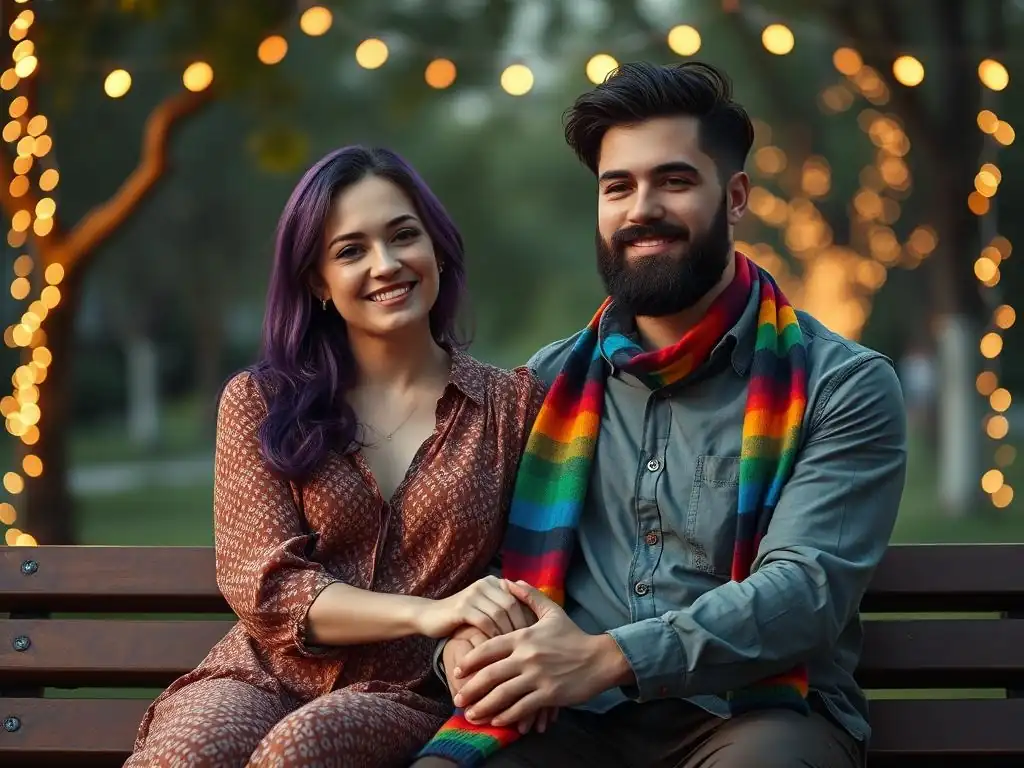
Ready to ditch the dating app disappointments and find genuine connections? At OnlineDatingSuccess.org, we're dedicated to helping you navigate the world of online dating with confidence. This isn't just about swiping right; it's about building meaningful relationships. Discover essential strategies for crafting irresistible profiles and mastering effective communication, but more importantly, learn crucial LGBTQ+ dating group safety tips to ensure your online journey is both exciting and secure. Dive into our expert advice and unlock the secrets to finding lasting love – starting with our in-depth guide on Beyond the Algorithm: Finding Real Connections in LGBTQ+ Dating Groups.
- Navigating the World of LGBTQ+ Online Dating Communities
- LGBTQ+ Dating Group Safety Tips: Protecting Yourself Online
- Building Authentic Connections in LGBTQ+ Online Dating Groups
- From Online to Offline: Transitioning to Safe In-Person Meetings
- Maintaining Safety and Well-being in the Long Term
-
Frequently Asked Questions
- How can I stay safe while meeting people from LGBTQ+ dating groups online?
- What are some red flags to watch out for in LGBTQ+ online dating?
- Are there specific safety concerns unique to LGBTQ+ dating?
- How can I create a safe and positive online dating experience within the LGBTQ+ community?
- What resources are available for LGBTQ+ individuals seeking help with online dating safety?
- Final Reflection: Reclaiming Connection in the Digital Age
- Unleash Your Authentic Self: Find Your Tribe!
Finding love and connection can be a journey, especially within the diverse and vibrant LGBTQ+ community. Online dating offers a unique opportunity to expand your social circle and meet like-minded individuals, but it's crucial to approach this digital landscape with awareness and a focus on safety and genuine connection. This article delves into the specifics of navigating LGBTQ+ dating groups online, providing practical tips to help you build meaningful relationships while prioritizing your well-being.
We'll explore different types of online groups, offer guidance on choosing safe and inclusive spaces, and discuss essential safety precautions to ensure a positive and rewarding experience. The goal is to move beyond the algorithm and focus on fostering authentic connections, empowering you to find your place within the online LGBTQ+ dating world. Remember, building meaningful relationships requires effort and awareness—let's make this journey safer and more fulfilling for you.
Understanding the Landscape: Types of LGBTQ+ Dating Groups
The online world offers a plethora of options for LGBTQ+ individuals seeking connection. Understanding the different types of groups available is the first step toward finding the right fit. These groups vary significantly in their approach, size, and focus. Some cater to specific identities within the LGBTQ+ spectrum (e.g., lesbian, gay, bisexual, transgender, queer, etc. ), while others are more inclusive, encompassing a broad range of sexual orientations and gender identities. Furthermore, groups can differ in their level of moderation and community guidelines.
Some common types include:
- Dating Apps with Specific LGBTQ+ Sections: Many mainstream dating apps now incorporate dedicated sections or filters for LGBTQ+ users, offering a larger pool of potential matches. However, these platforms often lack the community feel of dedicated groups.
- Dedicated LGBTQ+ Dating Apps: These apps are specifically designed for LGBTQ+ individuals, often boasting features tailored to the community's unique needs and preferences. They may provide enhanced safety features or focus on specific relationship types.
- Online Forums and Communities: Many online forums and communities exist where LGBTQ+ individuals can connect, share experiences, and find support. While not strictly dating platforms, these spaces can be excellent for meeting people with shared interests and values.
- Social Media Groups: Facebook, Instagram, and other social media platforms host numerous groups specifically for LGBTQ+ individuals, offering a diverse range of social interaction and opportunities for connection. However, caution is warranted, as these spaces often have less strict moderation.
Understanding the nuances of each type of group helps you make informed choices about where to invest your time and energy. Consider your personal preferences, comfort level, and relationship goals when selecting the right platform.
Finding the Right Fit: Choosing Safe and Inclusive Spaces
Choosing the right LGBTQ+ dating group is paramount for a positive and safe online experience. Prioritizing safety and inclusivity should be at the forefront of your decision-making process. Look for groups with clear community guidelines, active moderation, and a commitment to fostering respectful interactions. Red flags to watch out for include a lack of moderation, aggressive or hateful language within the group, and a general lack of respect for diverse identities and experiences.
Here are some key factors to consider:
| Feature | Positive Indicator | Negative Indicator |
|---|---|---|
| Moderation | Active moderators, clear rules, swift action against violations | Lack of moderation, frequent harassment or hate speech |
| Community Guidelines | Clearly stated and enforced rules of conduct | Absence of rules or inconsistent enforcement |
| Member Profiles | Detailed profiles, emphasis on authenticity | Vague profiles, suspicious or fake accounts |
| Inclusivity | Welcoming environment for all identities and experiences | Discrimination or exclusion of certain groups |
| Verification | Methods for verifying user identities | No verification measures, potential for catfishing |
Remember, your safety and well-being are paramount. Trust your instincts; if a group feels unsafe or uncomfortable, it's best to leave and find a more supportive community. Prioritizing your mental and emotional health is key to a successful and rewarding online dating experience. Building meaningful connections requires a safe and inclusive environment where you can be yourself.
LGBTQ+ Dating Group Safety Tips: Protecting Yourself Online
This section focuses on practical strategies to enhance your safety while engaging with LGBTQ+ dating groups online. Navigating these spaces requires a proactive approach to personal safety, blending awareness with cautious optimism. Remember, building genuine connections takes time, and prioritizing your well-being is paramount.
Prioritizing Privacy: Sharing Information Wisely in LGBTQ+ Dating Groups
Sharing personal information online, even within a seemingly safe LGBTQ+ community, carries inherent risks. Over-sharing can make you vulnerable to scams, harassment, or even stalking. Therefore, a measured approach is crucial. Avoid posting your full name, exact address, workplace, or any details that could easily be used to identify your location or personal life.
Instead of revealing identifying details, consider using a nickname or a variation of your name. When discussing your location, opt for general areas rather than specific street addresses. For example, instead of saying "I live on Elm Street," you could say "I live in the downtown area." Similarly, be cautious about sharing photos that clearly show your home or workplace.
Think critically about the information you share in your profile. Avoid including details like your driver's license number, social security number, or banking information – these are never appropriate to share online, regardless of the context. Remember, the information you share publicly is accessible to anyone, even those outside your intended audience within the LGBTQ+ dating group.
A helpful strategy is to assess the level of privacy offered by the platform itself. Many platforms allow you to control your visibility settings; utilize these features to limit who can see your profile and personal information. Regularly review and update your privacy settings to ensure your preferences remain current. Consider what information you’re comfortable sharing and stick to that. Remember, a little mystery can be intriguing!
Spotting Red Flags: Identifying Potentially Unsafe Interactions
Recognizing potentially unsafe interactions is a critical aspect of online safety in LGBTQ+ dating groups. While most interactions are positive, being vigilant helps protect you from harmful encounters. Be aware of individuals who exhibit manipulative behavior, pressure you into sharing personal information prematurely, or make you feel uncomfortable in any way.
Some common red flags include:
- Excessive flattery or overly intense interest early on: Genuine connections develop gradually. Be wary of individuals showering you with excessive compliments or displaying an intense level of interest in a short period.
- Pressure to meet offline quickly: A healthy pace in online dating involves building trust and getting to know someone before meeting in person. Resist pressure to meet offline before you feel comfortable and have verified some basic information about the other person.
- Inconsistencies in their profile or story: Discrepancies in their narrative or profile information may indicate deception. Be cautious if their story doesn't quite add up.
- Requests for financial assistance or other inappropriate favors: Legitimate relationships don't involve asking for money or other favors early on. Report such requests immediately.
- Aggressive or threatening behavior: Any form of aggression, even veiled threats, should be reported immediately to the platform and the appropriate authorities.
Remember, your intuition is your best guide. If something feels wrong, it probably is. Trust your instincts and don't hesitate to end the interaction.
Building Trust Gradually: Avoiding Rush and Impulsiveness in Online LGBTQ+ Dating
Building trust is essential for forming meaningful connections in any dating environment, particularly within LGBTQ+ online communities. Avoid rushing into relationships or sharing personal information prematurely. Take your time to get to know someone before meeting in person.
Engage in meaningful conversations, exploring shared interests and values. Look for consistency in their words and actions. Don't be afraid to ask questions and be observant. Verify information they share, if possible, through independent means. For example, you could search for their professional profile online or check their social media presence for consistency.
Before agreeing to meet in person, have a video call. This allows you to see and interact with the person in real-time, helping to verify their identity and assess their demeanor. Choose a public place for your first in-person meeting and let a friend or family member know where you're going and who you're meeting.
Remember, building a healthy relationship takes time and patience. Don't let pressure or impatience compromise your safety or well-being. Prioritize building genuine connections based on trust and mutual respect. By being cautious and deliberate in your interactions, you can enjoy the benefits of LGBTQ+ dating groups while safeguarding your personal safety.
Building Authentic Connections in LGBTQ+ Online Dating Groups

This section focuses on fostering genuine connections within LGBTQ+ online dating groups, going beyond superficial interactions to build meaningful relationships. Navigating the nuances of online dating within the LGBTQ+ community requires a thoughtful approach, prioritizing safety and authenticity. Effective communication and respect for boundaries are paramount to building healthy relationships. Remember, the goal is to find genuine connections, not just a string of fleeting encounters. Let's explore strategies to achieve this.
Beyond the Profile Picture: Meaningful Communication Strategies
First impressions matter, but lasting connections are built on more than just a captivating profile picture. Successful communication in LGBTQ+ dating groups involves engaging with potential partners on a deeper level, moving beyond surface-level pleasantries. This means asking thoughtful questions that go beyond the usual "What do you do?" or "What are your hobbies? ".
Instead, try questions that reveal personality and values. For instance, "What are some things that make you feel truly alive?" or "What's a cause you're passionate about?" can spark more meaningful conversations. Active listening is crucial; truly hearing what your potential partner is saying, demonstrating empathy and understanding, is key to building trust. Don't be afraid to share your own vulnerabilities and experiences – authenticity fosters connection. Remember, genuine engagement is far more effective than generic pickup lines or superficial compliments.
Consider the use of emojis thoughtfully; they can add personality and warmth to your messages, but overuse can seem insincere. Aim for a balance of text and emojis to enhance, not overwhelm, your communication. Avoid sending overly long messages initially; keep it concise and engaging to maintain interest. And always respect the other person's communication style and pace.
Discovering shared interests and values is fundamental to forming lasting relationships. LGBTQ+ dating groups often provide opportunities to connect with individuals who share similar experiences, backgrounds, and interests. Actively exploring these commonalities can significantly strengthen your connections.
Look beyond the obvious; delve deeper into profiles to identify shared passions and values. For example, if someone mentions a love for hiking, don't just say "I like hiking too." Instead, ask, "What's your favorite hiking trail?" or "What do you enjoy most about being outdoors?". This shows genuine interest and invites a more detailed response. Participation in group discussions or events related to shared interests can also facilitate deeper connections.
Consider creating a detailed profile that showcases your passions and values. This helps attract individuals who share similar interests, thereby increasing the likelihood of finding a compatible partner. Remember, shared interests are not merely hobbies; they are often reflections of core values and personality traits, providing a solid foundation for building a strong relationship. Don't be afraid to be specific and detailed; authenticity attracts authenticity.
Respecting Boundaries: Healthy Communication and Relationship Dynamics
Respecting boundaries is paramount in any relationship, especially within the context of online dating. Understanding and respecting personal space, both online and offline, is crucial for establishing healthy communication and relationship dynamics. This includes respecting an individual's choice to end a conversation, decline a date, or move at a different pace than you might prefer.
Clear communication is key. Be upfront about your expectations and boundaries, and be equally receptive to those of your potential partner. Never pressure someone to do something they're not comfortable with. Avoid sending unsolicited explicit photos or messages; this is a major violation of boundaries and can have serious repercussions. Remember, consent is essential in all aspects of communication and interaction.
Furthermore, be mindful of the information you share online. Over-sharing personal details early on can compromise your safety and privacy. Start with general information and gradually reveal more as you build trust. Remember, building a healthy relationship takes time and respect. Prioritizing safety and respecting boundaries fosters a positive and rewarding online dating experience. Remember, building strong, healthy relationships takes time, patience, and mutual respect. Prioritize your well-being and safety throughout the process.
From Online to Offline: Transitioning to Safe In-Person Meetings

This section focuses on the crucial step of transitioning from online interactions to in-person meetings within the LGBTQ+ dating landscape. Navigating this phase requires careful consideration and prioritization of personal safety. While online platforms offer a sense of anonymity and control, meeting someone offline introduces new variables that demand preparedness and awareness. Successfully transitioning to in-person meetings requires a proactive approach to safety, informed decision-making, and a healthy dose of self-trust. Remember, your safety and well-being are paramount.
Planning Safe First Dates: Choosing Public and Well-Lit Locations
Choosing the right location for a first date is paramount for LGBTQ+ individuals navigating the dating scene. Opting for well-lit, public spaces significantly reduces the risk of potential harm. Avoid secluded areas or private residences for initial encounters. Instead, consider these options:
- Coffee shops: Busy cafes provide a neutral, public environment with ample opportunity to observe your date's behavior.
- Restaurants: Similar to coffee shops, restaurants offer a bustling atmosphere and readily available staff.
- Museums or art galleries: These locations offer engaging conversation starters and a less pressured environment.
- Parks (during the day): Choose well-traveled parks with plenty of people around, especially during daylight hours. Avoid isolated trails or secluded areas.
Remember to inform a friend or family member about your date: where you're going, who you're meeting, and when you expect to be back. Sharing your location via a location-sharing app can also provide an additional layer of safety. Always have a plan for a quick exit if needed; having your own transportation is often a good idea.
It's also important to remember that a successful first date isn't solely about finding a romantic connection, but also about assessing your comfort level with the person you are meeting. If at any point you feel uneasy or unsafe, trust your instincts and prioritize your well-being. Don't hesitate to end the date early, even if it means disappointing your date. Your safety is always the top priority.
Trusting Your Instincts: Recognizing and Responding to Discomfort
Developing strong intuition and recognizing warning signs are essential aspects of LGBTQ+ dating safety. Your gut feeling is a powerful tool; if something feels off, it likely is. Don't dismiss your instincts, even if you feel pressured to rationalize your discomfort. Common warning signs can include:
- Controlling behavior: Does your date try to dictate where you go, what you do, or who you talk to? This can be a red flag.
- Inconsistent stories: Do their statements seem contradictory or unbelievable? Inconsistencies can indicate dishonesty or deception.
- Pressure to move too quickly: Are they pushing for a relationship or physical intimacy too soon? Healthy relationships develop at a comfortable pace for both individuals.
- Aggressive or disrespectful communication: Do they use threatening language, belittle you, or disrespect your boundaries? This is a serious warning sign.
- Excessive alcohol or drug use: Substance abuse can impair judgment and increase the risk of unsafe situations.
If you encounter any of these red flags, don't hesitate to remove yourself from the situation. Have an exit strategy planned in advance, such as having a friend call you at a pre-arranged time or having a ride readily available. Remember, your safety and comfort are paramount, and it's perfectly acceptable to end a date early if you feel unsafe.
Prioritizing your well-being is not only responsible but also demonstrates self-respect. Remember, a safe and positive dating experience begins with prioritizing your own safety and trusting your instincts. These LGBTQ+ dating group safety tips are designed to empower you to have positive experiences while staying safe.
Maintaining Safety and Well-being in the Long Term
Finding a meaningful connection in an LGBTQ+ dating group is a fantastic achievement, but maintaining safety and well-being requires ongoing effort. The initial excitement of meeting someone shouldn't overshadow the importance of prioritizing your personal security and emotional health. This section focuses on strategies to ensure your safety and happiness extend beyond the initial stages of online dating. Remember, building a healthy relationship takes time and conscious effort from both individuals.
Ongoing Communication: Open and Honest Dialogue in Relationships
Open and honest communication is the bedrock of any healthy relationship, and this is especially crucial within the LGBTQ+ community where unique challenges and experiences can exist. Don't shy away from difficult conversations. Talking about boundaries, expectations, and concerns is vital for fostering trust and mutual respect. This isn't just about discussing relationship goals; it's about ensuring you both feel safe, heard, and understood.
For example, discussing past experiences with dating violence or discrimination can help establish a foundation of empathy and support. Sharing your comfort levels with physical intimacy, public displays of affection, and meeting family and friends can prevent misunderstandings and potential conflict down the line. This open dialogue allows for a deeper understanding and strengthens the bond between you.
Remember, effective communication isn't just about what you say, but how you say it. Active listening, empathetic responses, and a willingness to compromise are all key ingredients in maintaining a healthy and safe connection. Regular check-ins about feelings and needs can prevent small issues from escalating into larger problems.
Seeking Support: Resources for LGBTQ+ Individuals in Online Dating
Navigating the world of online dating can be challenging, and LGBTQ+ individuals may face unique obstacles. Knowing where to turn for support is essential for maintaining both your mental and physical well-being. Several organizations offer dedicated support and resources specifically tailored to the needs of LGBTQ+ individuals. These resources can provide a safe space to discuss concerns, access counseling services, and learn about legal protections.
It's important to remember that you're not alone. Many individuals within the LGBTQ+ community have faced similar challenges, and there are professionals equipped to help you navigate these complexities. Don't hesitate to reach out for help if you're experiencing harassment, discrimination, or any form of emotional distress. Early intervention can significantly impact the long-term success of your relationships and your overall well-being. Remember, seeking support is a sign of strength, not weakness.
Building a strong support network – whether that's through friends, family, or professional resources – can provide the emotional resilience needed to thrive in online dating and beyond. Consider exploring local LGBTQ+ community centers, online forums, or helplines dedicated to supporting individuals facing challenges in online dating and relationships. These resources can offer invaluable guidance and a sense of community during potentially difficult times. Prioritizing your mental health is just as important as prioritizing your physical safety.
Frequently Asked Questions
How can I stay safe while meeting people from LGBTQ+ dating groups online?
Always verify profiles and be wary of anyone who seems too good to be true. Meet in public places for initial meetings and let a friend know your plans. Trust your instincts – if something feels off, it probably is.
What are some red flags to watch out for in LGBTQ+ online dating?
Be cautious of profiles with limited information or those that seem too perfect. Avoid anyone who pressures you for personal information or asks for money. Pay attention to inconsistencies in their stories or behavior.
Are there specific safety concerns unique to LGBTQ+ dating?
Yes, LGBTQ+ individuals may face unique vulnerabilities due to potential discrimination or hate crimes. It's crucial to be extra vigilant about sharing personal information and meeting in safe, public locations. Prioritize your well-being.
How can I create a safe and positive online dating experience within the LGBTQ+ community?
Focus on building genuine connections rather than just superficial interactions. Be upfront about your intentions and boundaries. Report any inappropriate behavior or harassment to the dating platform immediately. Respect others' identities and experiences.
What resources are available for LGBTQ+ individuals seeking help with online dating safety?
Many LGBTQ+ organizations offer support and resources regarding online safety. Additionally, most dating platforms have reporting mechanisms for harassment and abuse. Don't hesitate to seek help if you need it. Your safety is paramount.
Final Reflection: Reclaiming Connection in the Digital Age
The quest for authentic connection within the LGBTQ+ community remains a vital struggle, even in the age of digital dating. Finding safe and supportive spaces online requires vigilance and a proactive approach, challenging the often-commodified nature of online interactions. The algorithms, while offering convenience, can inadvertently mask the very human need for genuine belonging.
The impact of online dating on LGBTQ+ individuals is profound, shaping not only romantic relationships but also the very fabric of community building. These spaces, while offering a sense of belonging, can also be breeding grounds for exploitation and misinformation. It's crucial to remember that technology is a tool, and its effectiveness hinges on our conscious engagement with it. The greatest danger for most of us is not that our aim is too high and we miss it, but that it is too low and we reach it.
- Michelangelo. This quote reminds us to strive for meaningful connections, not just superficial matches.
Consider the lessons learned within this article. Actively cultivate safety practices, prioritize genuine communication, and remember that building a supportive community takes effort and intention. You have the power to shape your online experiences, to create spaces where authenticity and respect thrive. Don't let the algorithm define your connections; actively choose to build relationships rooted in trust and mutual understanding. Let your journey towards meaningful connection begin today.
Unleash Your Authentic Self: Find Your Tribe!
Thanks for exploring the world of authentic LGBTQ+ connections! We hope you've discovered valuable insights into navigating dating beyond the limitations of online algorithms. Ready to connect more deeply?
- Join a local LGBTQ+ group: Meet incredible people in a relaxed, supportive setting. Consider attending coffee meetups, joining a hiking group, or volunteering—the possibilities are limitless!
- Share this article: Help spread the word about building genuine connections within the LGBTQ+ community.
- Tell us your story: Share your favorite way to meet new people in the comments below! We'd love to hear about any unexpected connections you've made.
How will you approach building meaningful relationships outside the confines of online dating apps?