
The Danger of ThirdParty Access to Your Dating App Data


Welcome to OnlineDatingSuccess.org, your guide to navigating the exciting yet complex world of online dating. Are you maximizing your chances of finding a meaningful connection, or are you unknowingly putting yourself at risk? We delve into the crucial topic of Dating app data security risks, exploring the often-overlooked dangers lurking behind seemingly harmless apps. Discover how to protect yourself and your personal information while searching for love—and unlock the secrets to a safer and more successful online dating experience. Learn more about safeguarding your data now.
- Understanding Dating App Data Security Risks
- Protecting Your Privacy on Dating Apps
- Minimizing Your Digital Footprint on Dating Apps
- The Legal Landscape of Dating App Data Privacy
- Safeguarding Your Personal Information on Dating Apps: A Comprehensive Guide
- Frequently Asked Questions
- Final Reflection: Reclaiming Control in the Digital Dating Landscape
- Secure Your Dating Profile: Take Control Now!
Understanding Dating App Data Security Risks
Online dating has revolutionized how we meet potential partners, offering convenience and accessibility unmatched by traditional methods. However, this digital transformation comes with inherent risks, particularly concerning the security of your personal data. This article delves into the dangers of third-party access to your dating app data, exploring the types of information collected, how it's shared, and the potential consequences of data breaches.
Understanding these "Dating app data security risks" is crucial for navigating the online dating world safely and protecting your personal information. We'll examine real-world examples and provide practical advice to help you mitigate these risks and build meaningful connections without compromising your security. The rise in popularity of online dating apps has unfortunately also led to a rise in data breaches and privacy violations, making it more important than ever to be informed and proactive in protecting yourself.
Data Collected by Popular Dating Apps
Many popular dating apps collect a surprising amount of personal data, often exceeding what users might initially expect. This data collection is often justified by the need to improve the user experience, personalize recommendations, and target advertising. However, the sheer volume and sensitivity of this information raise significant privacy concerns. The information gathered can include:
- Basic Profile Information: Name, age, gender, location, photos, and bio.
- Contact Information: Email address, phone number (often optional, but many users provide it).
- Social Media Connections: Links to accounts on Facebook, Instagram, or other platforms (frequently optional but incentivized).
- Location Data: Precise location data, even when the app is closed (often used for proximity-based matching).
- Communication Data: Messages sent and received, call logs (if applicable), and even voice notes.
- Device Information: Device type, operating system, IP address, and other technical details.
- Payment Information: If you subscribe to premium features, your payment details will be stored.
- Preferences and Interests: Information you provide about your lifestyle, hobbies, and relationship goals.
This comprehensive data collection allows dating apps to create detailed user profiles, but it also makes users vulnerable to various security threats. The potential for misuse of this information is significant, highlighting the need for greater transparency and stronger security measures. Consider the implications: a seemingly innocuous preference for a specific type of cuisine could be used to infer other personal details, creating a more complete profile that is easier to exploit.
Data Sharing Practices of Major Dating Apps
Understanding how dating apps share your data is as crucial as knowing what data they collect. Many apps share data with third-party companies for various purposes, including advertising, analytics, and even with law enforcement under certain circumstances. This data sharing often occurs without explicit user consent or with consent that is buried deep within lengthy terms of service agreements.
| App Type | Typical Data Shared | Purpose of Sharing |
|---|---|---|
| Mainstream Apps | User demographics, interests, activity data | Targeted advertising, app improvement, data analytics |
| Niche Dating Apps | Specific interest data (e.g., political affiliation) | Targeted advertising, community building, data analytics |
The lack of transparency around data sharing practices is a major concern. Users often have limited control over how their data is used and shared, leaving them vulnerable to potential exploitation. Moreover, the data aggregation across multiple apps creates a larger and more comprehensive profile of the user, increasing the potential for identity theft and other malicious activities. The implications of such data sharing should be carefully considered before using any dating app.
Risks of Data Breaches and Identity Theft on Dating Platforms
Data breaches are a significant threat to users of online dating apps. If a dating app's database is compromised, hackers can gain access to a vast amount of sensitive personal information. This information can be used for various malicious purposes, including:
- Identity theft: Hackers can use your personal information to open fraudulent accounts, apply for loans, or commit other crimes in your name.
- Financial fraud: Access to your payment information can lead to financial losses.
- Stalking and harassment: Your location data and other personal details can be used to track your movements and harass you.
- Reputation damage: The leak of sensitive personal information can severely damage your reputation and personal life.
- Extortion: Hackers may attempt to extort money from you by threatening to release your private information.
The consequences of a data breach can be devastating. Therefore, it's essential to choose dating apps with strong security measures and to take proactive steps to protect your personal information. It is crucial to remain vigilant and informed about potential risks, as the ever-evolving landscape of online dating presents new challenges to data security. 🕵️♀️ Staying informed is the first step towards effective protection.
Protecting Your Privacy on Dating Apps
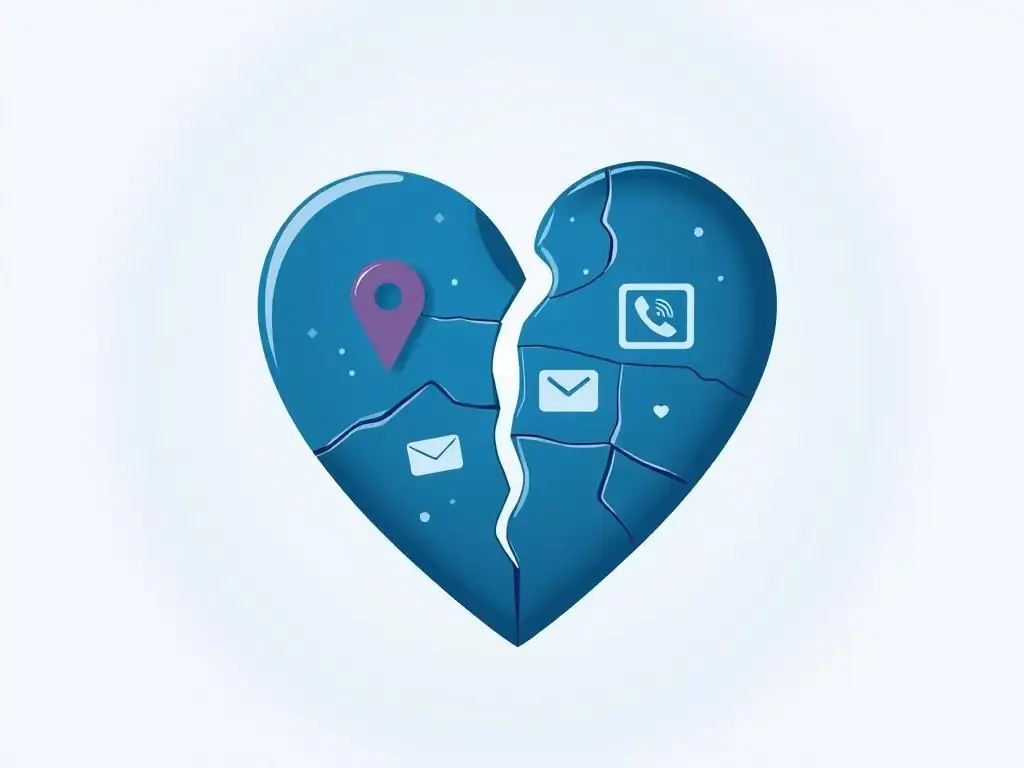
This section delves into the practical steps you can take to mitigate the risks associated with dating app data security risks. Understanding and implementing these strategies is crucial for maintaining your online safety and privacy while using dating apps. Remember, your personal information is valuable, and proactive measures are your best defense.
Choosing Secure Dating Apps: Key Security Features
Selecting a dating app with robust security features is the first line of defense against data breaches and privacy violations. Not all apps are created equal when it comes to protecting user data. Look for these key indicators of a secure app:
- Two-Factor Authentication (2FA): This adds an extra layer of security, requiring a code from your phone or email in addition to your password to log in. It significantly reduces the risk of unauthorized access, even if your password is compromised. Many reputable apps now offer this as a standard feature.
- Data Encryption: Ensure the app uses end-to-end encryption to protect your messages and personal information. This means only you and the recipient can read your communications; the app provider cannot access the content. Look for this explicitly stated in their privacy policy.
- Transparent Privacy Policy: A clear and easily understandable privacy policy is a must. It should detail how your data is collected, used, shared, and protected. Avoid apps with vague or overly complex privacy policies.
- Strong Reputation and User Reviews: Check online reviews and ratings to gauge the app's overall security and reliability. Negative reviews mentioning data breaches or privacy concerns should raise red flags.
- Regular Security Updates: A commitment to regular security updates demonstrates the app's dedication to patching vulnerabilities and protecting user data.
Managing App Permissions and Data Access Effectively
Once you've chosen a seemingly secure app, carefully manage the permissions you grant it. Overly permissive access can significantly increase your dating app data security risks.
| Permission Type | Potential Risks | Recommended Action |
|---|---|---|
| Location Access | Stalking, unwanted attention, revealing your home/work | Limit location sharing to only when actively using the app. |
| Contacts Access | Doxing, unwanted contact with friends/family | Deny this permission unless absolutely necessary. |
| Photos Access | Unauthorized use of your images, identity theft | Carefully review which photos you upload and grant access to. |
| Microphone Access | Eavesdropping, recording conversations | Deny unless you're using a voice-calling feature. |
| Camera Access | Unauthorized photos, privacy violations | Only grant access when using the app's camera features. |
Remember to regularly review and revoke permissions you no longer need. Many apps request broader access than is strictly necessary for their core functionality.
Regularly Reviewing and Adjusting Privacy Settings
Your privacy settings are not static; they require ongoing attention. Dating apps often update their features and privacy policies, so it's crucial to stay informed and adjust your settings accordingly.
- Profile Visibility: Carefully consider who can see your profile and what information is publicly visible. Limit access to only those you've matched with or explicitly approved.
- Matching Preferences: Be mindful of the criteria you use to filter potential matches. Overly specific preferences might reveal sensitive information about your lifestyle or preferences.
- Communication Controls: Use the app's blocking and reporting features if you encounter any harassment or inappropriate behavior. Report suspicious activity to the app's support team as well.
- Notification Settings: Manage your notification preferences to control what information you receive and when. Excessive notifications can increase your vulnerability to phishing or other malicious activities.
By consistently monitoring and adjusting your privacy settings, you can proactively reduce your dating app data security risks and maintain a safer online dating experience. Remember, vigilance is key to protecting your personal information in the digital world.
Identifying and Avoiding Dating App Phishing Scams
Phishing scams are a significant threat to online daters, preying on the vulnerability of individuals seeking connection. These scams often masquerade as legitimate dating app communications, aiming to steal personal information, financial data, or even install malware on your device. Understanding how these scams operate is the first step toward protecting yourself.
One common tactic involves fraudulent emails or text messages appearing to be from your favorite dating app. These messages often contain urgent requests, such as password resets, account verification, or enticing offers requiring immediate action. They may include links to fake websites that mimic the genuine app's interface. Clicking these links can expose you to malware or lead to the theft of your login credentials. Always be wary of unsolicited messages requesting personal information, especially if they create a sense of urgency or fear. Legitimate dating apps rarely contact users directly with such demands.
Another prevalent method is the creation of fake profiles. These profiles often present highly idealized images and captivating narratives, designed to build trust quickly. Once a connection is established, the scammer may attempt to lure you off the app to other communication platforms, where they can more easily manipulate you. They might then attempt to extract money, steal your identity, or engage in other forms of fraud. Be cautious of profiles that seem too good to be true, and always be wary of individuals who are overly eager to move the conversation off the app's secure platform.
Recognizing phishing attempts requires vigilance and a healthy dose of skepticism. Never click on links from unknown sources, and always double-check the sender's email address or phone number. If you suspect a phishing attempt, immediately report it to the dating app's customer support and change your password. Regularly review your app's security settings and enable two-factor authentication for an extra layer of protection.
Remember, your online safety is paramount. By staying informed and practicing caution, you can significantly reduce your risk of falling victim to these dangerous scams. Protecting your data is an ongoing process; stay alert and proactive to minimize the chances of becoming a victim of dating app phishing scams. Your personal safety and security are invaluable.
Minimizing Your Digital Footprint on Dating Apps
Dating app data security risks are real and significant. Minimizing your digital footprint is crucial for protecting your personal information and maintaining your safety online. This involves a multifaceted approach, focusing on what you share and how you protect your access. The more information you make publicly available, the greater your vulnerability becomes. This section focuses on strategies to reduce your online exposure and mitigate potential threats. Remember, even seemingly innocuous details can be pieced together to create a complete picture of your life, potentially leading to identity theft, stalking, or other harmful situations.
Limiting Personally Identifiable Information on Dating Profiles
Your dating profile is a window into your life, but it shouldn't be a wide-open door. Over-sharing personal details increases your vulnerability to various threats. Avoid including highly specific information such as your exact address, workplace address, full date of birth, or the names and locations of your children's schools.
Instead of specifying your workplace, consider using a more general description of your profession. For example, instead of writing "Software Engineer at Acme Corp, 123 Main Street," you might write "Software Engineer in the tech industry." Similarly, instead of stating your exact age, you could provide an age range (e.g., "30-35").
Remember that seemingly harmless details can be used to identify you. Avoid posting photos that reveal too much information about your daily routines or your physical surroundings, such as images showing your house number or your workplace. Be mindful of geotagging; many dating apps automatically include location data in photos, which can be a significant security risk. It's always best practice to carefully review and disable this feature if your app allows it. The goal is to present yourself authentically while maintaining a reasonable level of privacy. A strong profile doesn't need to reveal every detail of your life.
Implementing Strong Passwords and Two-Factor Authentication
Strong passwords and two-factor authentication (2FA) are fundamental to protecting your dating app accounts. A weak password is an open invitation for hackers. Avoid simple passwords like "password123" or your birthdate. Instead, opt for a complex password that combines uppercase and lowercase letters, numbers, and symbols. Aim for a password length of at least 12 characters for maximum security. Password managers can be invaluable for generating and securely storing these complex passwords. Consider using a unique password for each of your online accounts, including your dating apps; this limits the damage if one account is compromised.
Two-factor authentication adds an extra layer of security by requiring a second form of verification beyond your password. This could be a code sent to your phone via SMS, an authentication app like Google Authenticator or Authy, or a security key. Enabling 2FA significantly reduces the risk of unauthorized access, even if someone manages to obtain your password. Many dating apps offer this feature; take advantage of it to significantly bolster your account's security. The added inconvenience is far outweighed by the enhanced protection it provides against dating app data security risks.
Avoiding Public Wi-Fi When Using Dating Apps
Using dating apps on public Wi-Fi networks presents significant security risks. Public Wi-Fi is often unsecured, making your data vulnerable to interception. Hackers can easily monitor your activity and potentially steal your login credentials, personal information, or even financial data if you're using the app to make payments. This is especially concerning considering the sensitive nature of the information shared on dating apps. Always prioritize using a secure, private network connection when accessing your dating app accounts.
If you must use public Wi-Fi, consider using a Virtual Private Network (VPN). A VPN encrypts your internet traffic, making it much more difficult for hackers to intercept your data. A VPN creates a secure tunnel between your device and the internet, masking your IP address and protecting your online activity. While a VPN doesn't eliminate all risks, it significantly reduces your vulnerability when using dating apps on unsecured networks. Prioritizing your online safety is crucial; remember, your privacy and security are paramount. This proactive approach minimizes your exposure to dating app data security risks.
Understanding the Risks and Benefits of Location Sharing
Location sharing, while seemingly innocuous, presents a significant risk in online dating. Many apps offer this feature, often highlighting its convenience for meeting up or finding nearby matches. However, the benefits must be carefully weighed against the potential dangers. Sharing your precise location with a stranger you've only interacted with virtually can expose you to stalking, harassment, or even physical harm.
While some apps offer blurred location services, these often lack precision and can still reveal a general vicinity, potentially compromising your safety. Consider the tradeoff: a slightly more convenient match-making process versus the potential for unwanted attention or even dangerous encounters. The risk is magnified if you are using the app in a less populated area or traveling alone. Think carefully about who you share your location with and whether the potential benefit is worth the increased risk to your personal safety.
Remember, even seemingly harmless sharing can, in the wrong hands, lead to serious consequences. Prioritizing your safety should always be paramount when using location-based features on dating apps. Understanding the limitations of location blurring technologies is crucial; they are not foolproof and should not be relied upon as your sole security measure. Always err on the side of caution.
The Legal Landscape of Dating App Data Privacy
Navigating the digital world of online dating necessitates understanding the legal frameworks protecting your personal information. Dating apps collect vast amounts of data, from your location and photos to your communication history and preferences. This data is valuable, making it a target for malicious actors and raising significant concerns regarding "Dating app data security risks". Knowing your rights and the legal recourse available is crucial for safeguarding your privacy.
Data Protection Rights Under GDPR and CCPA
The General Data Protection Regulation (GDPR) in Europe and the California Consumer Privacy Act (CCPA) in California are landmark legislation setting high standards for data protection. These laws grant individuals significant control over their personal data. Understanding these rights is paramount for mitigating dating app data security risks.
Under GDPR, you have the right of access, rectification, erasure ("right to be forgotten"), restriction of processing, data portability, and objection. This means you can request to see what data an app holds on you, correct inaccuracies, demand its deletion, limit its use, transfer it to another service, and object to its processing for specific purposes. Similarly, CCPA grants California residents the rights to know, delete, and opt-out of the sale of their personal information.
This includes the right to request that dating apps disclose the categories and specific pieces of personal information they have collected about you, the sources of this information, and the purposes for which it was collected. Failure to comply with these regulations can result in substantial fines for the dating app companies. The enforcement of these regulations varies, with GDPR having stricter penalties than CCPA.
Furthermore, the interpretation and application of these laws are constantly evolving, and legal challenges continue to shape their scope. Therefore, staying informed about updates and rulings is essential.
Discovering a data breach or suspecting compromised security on a dating app requires immediate action. Reporting such incidents to the relevant authorities is crucial to trigger investigations and potentially prevent further harm. The specific authorities you should contact depend on your location and the nature of the breach.
In Europe, data breaches must be reported to the relevant data protection authority (DPA) within 72 hours of becoming aware of the incident. The GDPR mandates this rapid reporting to allow for timely intervention and mitigation of potential damage. In the United States, reporting requirements vary by state.
Some states have specific notification laws for data breaches, while others rely on broader consumer protection statutes. The Federal Trade Commission (FTC) also plays a role in investigating data security violations, particularly those involving deception or unfair trade practices. Beyond official reporting, consider reporting any suspicious activity to the dating app itself.
Many apps have dedicated channels for reporting security concerns, allowing them to investigate and address potential vulnerabilities. Documenting all communication and actions taken is crucial for potential legal recourse. The process can be complex and may involve navigating bureaucratic procedures, but prompt reporting is essential for protecting yourself and other users.
Legal Recourse for Data Misuse and Privacy Violations
If your data is misused or your privacy is violated by a dating app, you may have legal recourse. The specific options available depend on the nature of the violation, the applicable laws, and the jurisdiction.
Under GDPR and CCPA, you can file complaints with the relevant authorities and pursue legal action for damages. These laws provide avenues for redress, including compensation for financial losses, emotional distress, and reputational harm resulting from data misuse. Class-action lawsuits are also a possibility if multiple users have experienced similar violations.
In the US, state laws, including those relating to consumer protection and data breach notification, may also offer legal avenues for pursuing compensation. However, navigating the legal process can be challenging and expensive. Consulting with a lawyer specializing in data privacy and consumer rights is advisable to assess your options and determine the best course of action.
The success of legal action depends on various factors, including the strength of evidence, the jurisdiction, and the resources available to pursue the case. The legal landscape surrounding dating app data security risks is constantly evolving, underscoring the importance of staying informed and proactive in protecting your personal information.
Safeguarding Your Personal Information on Dating Apps: A Comprehensive Guide
Dating apps have revolutionized how we meet people, but this convenience comes with inherent risks. Understanding and mitigating the dangers associated with third-party access to your dating app data is crucial for maintaining your privacy and safety. This section outlines practical steps to protect your personal information and minimize potential vulnerabilities. The potential for misuse of your "Dating app data security risks" is significant, and proactive measures are essential.
Best Practices for Secure Online Dating
Protecting your personal information on dating apps requires a multi-faceted approach. It's not just about securing your account; it's about being mindful of the information you share and the platforms you use. Here's a breakdown of best practices to minimize your risks:
- Strong and Unique Passwords: Use a strong, unique password for each dating app. Avoid easily guessable passwords like birthdays or pet names. Consider using a password manager to generate and store complex passwords securely. A password manager can significantly reduce the "Dating app data security risks" associated with weak passwords.
- Enable Two-Factor Authentication (2FA): This adds an extra layer of security by requiring a code from your phone or email in addition to your password. Enabling 2FA is a simple yet highly effective way to protect your account from unauthorized access. Many apps offer this feature; it's a crucial step in mitigating "Dating app data security risks."
- Review App Permissions: Carefully review the permissions each dating app requests. Only grant access to the information absolutely necessary for the app's functionality. Avoid apps that request excessive permissions, as this could indicate a higher risk of data breaches. Understanding what information an app collects is key to minimizing "Dating app data security risks".
- Limit Personal Information Shared: Be cautious about the amount of personal information you share on your profile. Avoid including your full address, workplace, or other highly sensitive details. Remember, less is more when it comes to online safety. Over-sharing greatly increases your "Dating app data security risks".
- Be Wary of Phishing Attempts: Be vigilant about phishing scams. Dating apps are common targets for these attacks. Never click on suspicious links or provide your login credentials to anyone outside of the official app interface. Phishing is a significant contributor to "Dating app data security risks".
| Practice | Description | Impact on Reducing Dating App Data Security Risks |
|---|---|---|
| Strong Passwords | Use complex, unique passwords for each app. | High |
| Two-Factor Authentication | Adds an extra layer of security beyond just a password. | High |
| Review App Permissions | Carefully check what data the app requests access to. | Medium |
| Limit Personal Information | Avoid sharing sensitive details like your full address or workplace. | High |
| Beware of Phishing Attempts | Be cautious of suspicious emails or messages requesting login credentials. | High |
This table summarizes the key practices and their effectiveness in mitigating "Dating app data security risks." Remember, a proactive approach is your best defense.
Resources for Further Information on Data Privacy
Understanding data privacy in the context of online dating requires ongoing learning. While this guide offers essential steps, further research can enhance your understanding and protection. Consider exploring resources provided by data privacy organizations and cybersecurity experts to stay informed about emerging threats and best practices. Staying informed is crucial to effectively manage "Dating app data security risks". Remember, your online safety is paramount. Proactive steps to protect your data are essential for a positive and secure online dating experience.
Frequently Asked Questions
What are the biggest data security risks associated with dating apps?
Dating apps often require access to significant personal information, including your location, photos, and contact details. Third-party access to this data can lead to identity theft, stalking, or doxxing. Protecting your privacy is crucial.
How can third-party apps access my dating app data?
Many apps share data with third-party analytics companies and advertising networks. Some malicious apps may also gain access through malware or phishing scams. Carefully review app permissions and be wary of suspicious links.
What information is most vulnerable to breaches on dating apps?
Your location data is particularly vulnerable, as it can reveal your home address and daily routines. Photos and personal details are also at risk, potentially used for identity theft or harassment.
How can I protect my data while using dating apps?
Use strong, unique passwords for each app. Enable two-factor authentication whenever possible. Be cautious about sharing personal information and only connect with apps from reputable sources.
What should I do if I suspect a data breach on a dating app?
Immediately change your passwords on all affected accounts. Monitor your credit report for any suspicious activity. Report the breach to the app provider and consider filing a police report.
Final Reflection: Reclaiming Control in the Digital Dating Landscape
The unchecked access third-party apps have to our dating app data represents a significant and growing threat to our privacy and safety. This isn't just about potential identity theft; it's about the erosion of trust in a space designed for connection and vulnerability. The implications extend far beyond a simple data breach, impacting our emotional well-being and potentially even our physical safety.
The pervasiveness of data collection in the dating world is unsettling, and its long-term consequences are still unfolding. We've seen how seemingly innocuous permissions can lead to the exploitation of personal information, creating a chilling effect on genuine connection. The price of privacy is eternal vigilance,
– a sentiment that rings truer than ever in the digital age. The casual acceptance of these permissions, often buried in lengthy terms and conditions, needs to be challenged. We must demand greater transparency and accountability from both dating apps and the third-party services they utilize.
Consider the implications of this information being misused: stalking, harassment, identity theft, and even blackmail. You, the reader, hold the power to change this. Don't passively accept the default settings. Actively review the permissions you grant to your dating apps and any connected services. Educate yourself and others about the risks, and demand better data protection practices from the companies you trust with your personal information. Your digital safety, and your emotional well-being, depend on it.
Secure Your Dating Profile: Take Control Now!
Thank you for learning about the risks of unauthorized access to your dating app data. You've gained valuable knowledge to protect your privacy and online safety. Let's put this knowledge into action!
- Immediately review your app permissions: Carefully examine which apps have access to your personal information and revoke access for any you no longer trust or are unsure about. This is a crucial step to take today.
- Share this article with your friends: Help others protect themselves by sharing this information. A quick share on social media could make a real difference!
- Explore additional online safety resources: Further enhance your understanding of online privacy and security by consulting reputable online guides and articles.
What steps will you take next to protect your online dating experience?