
Decoding Nervous Tics: How to Manage Anxiety Through Body Language


Ready to ditch the dating app jitters and finally connect with someone special? At OnlineDatingSuccess.org, we're dedicated to helping you navigate the world of online dating with confidence. This isn't about games or tricks; it's about genuine connection. Learn how to master your body language and conquer dating anxiety with our expert advice on managing those nervous tics, starting with our insightful article on "Decoding Nervous Tics: How to Manage Anxiety Through Body Language" – your first step towards a more successful and fulfilling dating experience. Dive in and discover the secrets to unlocking your dating potential!
- Understanding First Date Anxiety and its Physical Manifestations
- Managing Dating Anxiety: Techniques for Controlling Body Language
- Mastering Body Language for a Successful First Date
- Decoding Your Date's Body Language: Recognizing Signs of Interest
- Putting it All Together: Practical Strategies for a Confident First Date
-
Frequently Asked Questions
- How can I control my nervous body language on a first online date?
- What are some common signs of dating anxiety in body language?
- Does my body language really impact my online dating success?
- How can I use body language to appear more confident during video chats?
- Are there specific exercises to help manage dating anxiety and improve body language?
- Final Reflection: Unmasking Anxiety, Embracing Connection
- Unlock Your Confident Body Language
Understanding First Date Anxiety and its Physical Manifestations
First dates can be nerve-wracking! The anticipation, the pressure to make a good impression, and the uncertainty of the outcome can trigger a cascade of anxious feelings. This anxiety often manifests physically, impacting your body language in ways you may not even realize.
Understanding these physical manifestations is the first step towards managing them and projecting confidence, even if you're feeling anything but. This article will explore the common nervous tics that often emerge during first dates, how they relate to your overall body language, and most importantly, how to mitigate their negative impact, ultimately helping you manage your dating anxiety and create a positive first impression. We'll provide practical advice and empathetic insights to help you navigate the complexities of dating with greater ease and self-assurance.
Mastering your body language can significantly influence the success of your first date, leading to more meaningful connections. Learning to manage your dating anxiety through mindful body language control is key to unlocking your dating potential.
Recognizing Common Nervous Tics on a First Date
Many people experience physical symptoms of anxiety, particularly on first dates. These can range from subtle fidgeting to more noticeable displays of nervousness. Recognizing these common nervous tics is crucial to addressing them. Some common examples include:
- Excessive fidgeting: This can manifest as constantly tapping your fingers, playing with your hair, or adjusting your clothing repeatedly. These actions often stem from a subconscious attempt to release pent-up nervous energy.
- Rapid blinking or eye darting: Your eyes can betray your anxiety. Rapid blinking or constantly shifting your gaze can signal discomfort and nervousness to your date.
- Stiff posture or slumped shoulders: Anxiety can lead to a tense posture, making you appear closed off and unapproachable. Conversely, slumping can project an image of low self-esteem.
- Fidgeting with objects: This might involve playing with your phone, a straw, or anything within reach. It's a common way to distract yourself from the anxiety you're feeling.
- Pacing or shifting weight: Restlessness is a frequent sign of anxiety. You might find yourself pacing or constantly shifting your weight from one foot to another.
- Increased sweating or blushing: These physiological responses are natural reactions to stress and can be noticeable to your date.
- Rapid speech or difficulty speaking: Anxiety can affect your ability to articulate your thoughts clearly. You may speak too quickly or stumble over your words.
It's important to remember that experiencing some of these tics is perfectly normal. Everyone gets nervous sometimes. The key is to be aware of your body's signals and learn techniques to manage them.
The Link Between Anxiety and Body Language in Dating
The connection between anxiety and body language is undeniable. Your physical expressions communicate volumes, often conveying more than your words. When you're anxious, your body language often reflects that internal state, potentially creating a negative feedback loop. For example, if you're excessively fidgeting, your date might interpret that as disinterest or discomfort, leading to increased anxiety on your part.
This cycle can negatively impact the overall dynamic of the date. Understanding this link empowers you to take proactive steps to break the cycle. By consciously controlling your body language, you can project confidence and ease, even if you feel nervous inside. This conscious effort can significantly alter the perception your date has of you, creating a more positive and relaxed atmosphere.
How Your Body Language Impacts First Impressions
Your body language plays a crucial role in shaping first impressions. Research consistently shows that non-verbal communication holds significant weight in how others perceive us. In the context of dating, a confident and approachable body language can significantly increase your chances of a successful connection. Conversely, anxious body language can create a barrier, making it difficult for your date to connect with you on a deeper level. Consider these points:
| Body Language Cue | Positive Impression | Negative Impression |
|---|---|---|
| Posture | Upright, relaxed, open posture | Slumped, closed-off, tense posture |
| Eye Contact | Confident, engaging eye contact | Avoiding eye contact, darting gaze |
| Facial Expressions | Genuine smile, relaxed facial muscles | Frowning, tense facial muscles, forced smile |
| Gestures | Open, welcoming hand gestures | Closed-off, fidgety hand gestures |
| Mirroring | Subtly mirroring your date's body language | Stiff and rigid, failing to engage with body language |
By consciously working on these aspects of your body language, you can significantly improve your first impressions and increase your confidence in dating situations. Remember, projecting confidence is key, regardless of how you feel internally. The more you practice mindful body language techniques, the more natural and effortless they will become. And this leads to more successful and enjoyable dates.
Managing Dating Anxiety: Techniques for Controlling Body Language
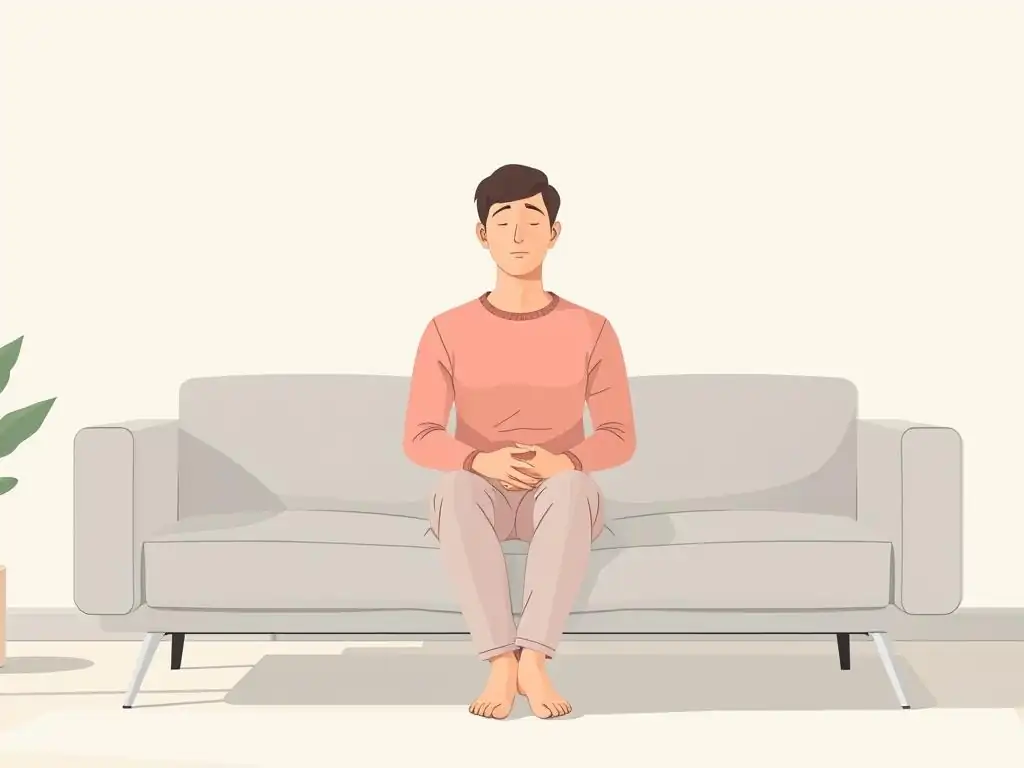
Dating can be nerve-wracking, and those nerves often manifest as uncontrolled body language. Learning to manage dating anxiety through mindful control of your physical expressions can significantly improve your first date experience and increase your chances of a successful connection. This section focuses on practical techniques to help you project confidence and ease, even when feeling anxious. Mastering these techniques will allow you to manage dating anxiety body language effectively.
Deep Breathing Exercises for Anxiety Reduction Before a Date
Before your date, anxiety might cause shallow breathing, increased heart rate, and trembling. Deep breathing exercises are a simple yet powerful tool to counteract these physical symptoms. The goal is to activate your parasympathetic nervous system, which calms your body down.
Several techniques can be effective. Try the 4-7-8 method: Inhale deeply through your nose for a count of four, hold your breath for seven, and exhale slowly through your mouth for eight. Repeat this cycle several times until you feel your heart rate slow and your breathing deepen. Another useful technique is box breathing: Inhale for four seconds, hold for four seconds, exhale for four seconds, and hold again for four seconds. Visualize a square as you complete each stage. These simple exercises, practiced regularly, can significantly reduce pre-date jitters and help you manage dating anxiety body language.
Remember consistency is key! Practice these techniques daily, not just before dates. This will build a habit that you can rely on in stressful situations. The more you practice, the more effective they will become at calming your nerves and ensuring your body language reflects confidence rather than anxiety.
Mindfulness Techniques to Stay Present and Calm
Mindfulness involves focusing your attention on the present moment without judgment. This can be incredibly helpful in managing anxiety, as anxiety often stems from worrying about the future or dwelling on the past. By anchoring yourself in the present, you can reduce the power of anxious thoughts and improve your body language control.
One effective mindfulness technique is body scan meditation. Lie down or sit comfortably, close your eyes, and bring your attention to different parts of your body, noticing any sensations without judgment. Start with your toes and slowly move your awareness upwards, paying attention to tension or relaxation in each area. This process helps you become more aware of your physical state and allows you to consciously release tension.
Another valuable approach is mindful observation. During your date, consciously observe your surroundings – the colors, sounds, and textures. Engage your senses fully. This intentional shift of focus away from anxious thoughts can help you stay grounded and present, leading to more relaxed and natural body language. By practicing mindfulness regularly, you can develop a greater sense of self-awareness and control over your physical reactions, thus effectively managing your dating anxiety and body language.
Positive Self-Talk and Affirmations to Boost Confidence
Negative self-talk fuels anxiety. Replacing negative thoughts with positive affirmations can significantly boost your confidence and improve your body language. Instead of thinking "I'm going to mess this up," try "I'm excited to get to know this person." Instead of "They won't like me," try "I have so much to offer."
Create a list of positive affirmations tailored to your specific anxieties. For example:
- "I am confident and capable."
- "I am worthy of love and connection."
- "I am comfortable in my own skin."
- "I am relaxed and at ease."
- "I am open to new experiences and possibilities."
Repeat these affirmations regularly throughout the day, especially before your date. You can even write them down and read them aloud. This conscious effort to shift your inner dialogue will translate into more relaxed and confident body language. Remember, self-compassion is crucial. Be kind to yourself, and celebrate your progress. Positive self-talk is a powerful tool in managing dating anxiety and projecting a confident demeanor. This, in turn, helps you manage dating anxiety body language successfully, allowing you to present your best self on a date.
Mastering Body Language for a Successful First Date
This section focuses on practical techniques to manage dating anxiety through conscious control of your body language. Remember, your non-verbal communication often speaks louder than words, especially on a first date. By mastering these techniques, you can project confidence, build rapport, and ultimately increase your chances of a successful connection. Learning to manage your dating anxiety through body language is a crucial skill in the online dating world.
Projecting Confidence: Posture and Eye Contact
Projecting confidence is key to a successful first date. It's not about faking it; it's about presenting yourself in a way that reflects self-assurance. This starts with your posture. Slouching communicates insecurity and disinterest; standing or sitting tall, with your shoulders back and your head held high, projects confidence and openness. Imagine a string gently pulling you upwards from the crown of your head.
Furthermore, maintaining eye contact is crucial. It demonstrates engagement and interest. However, avoid staring intensely – a natural, comfortable gaze is ideal. Look away occasionally to avoid making your date feel uncomfortable, but consistently return your gaze to theirs. This balanced approach shows you're present and attentive without being overly aggressive. Think of it as a gentle dance of eye contact, reflecting genuine interest and engagement. Practice this in everyday situations to make it feel more natural during your date.
Consider this scenario: You're meeting your date at a coffee shop. Instead of hunching over your phone, sit upright, make eye contact when your date approaches, and offer a warm smile. This simple adjustment significantly impacts the initial impression.
| Posture | Impact |
|---|---|
| Slouching | Projects insecurity, disinterest |
| Upright posture | Projects confidence, openness |
| Head held high | Shows self-assurance, self-respect |
| Avoiding eye contact | Communicates disinterest, nervousness |
| Maintaining eye contact | Shows engagement, attentiveness |
Open and Approachable Body Language: Avoiding Closed-Off Signals
Closed-off body language can inadvertently sabotage even the best-planned first date. Crossed arms, legs tightly pressed together, and a generally tense posture communicate defensiveness and a lack of receptiveness. These are classic signs of anxiety manifesting physically. Consciously working to counteract these signals is vital.
Instead, try to maintain an open and relaxed posture. Uncross your arms and legs, keep your hands relaxed at your sides or in your lap, and avoid fidgeting excessively. A subtle, relaxed smile can go a long way in communicating approachability and friendliness. Remember, your body language is constantly sending signals – make sure they’re sending the right ones!
Let's consider an example: Imagine you're nervous about the conversation lagging. Instead of crossing your arms and looking at your phone, consciously uncross your arms, lean slightly forward to show engagement, and maintain eye contact while actively listening. This subtle shift projects openness and invites further interaction.
- Open Signals: Uncrossed arms and legs, relaxed posture, slight forward lean, welcoming smile.
- Closed Signals: Crossed arms and legs, tense posture, fidgeting, avoiding eye contact.
Mirroring and Matching: Subtly Building Rapport
Mirroring and matching are subtle techniques that involve unconsciously mimicking your date's body language. This isn't about blatant imitation; instead, it's about subtly reflecting their posture, gestures, and even their pace of speech. Done correctly, it creates a sense of connection and rapport, making your date feel more comfortable and understood. It's a subconscious way of signaling agreement and building a connection.
However, it's crucial to be subtle. Overt mirroring can come across as creepy or disingenuous. The key is to mirror naturally and organically, letting your own natural body language guide the process. Focus on mirroring larger movements rather than tiny gestures. For example, if your date leans forward, you might subtly lean forward as well. If they use their hands expressively when speaking, you might do the same.
Consider a situation where your date is enthusiastically describing a hobby. Subtly mirroring their excited gestures and posture (perhaps a slight mirroring of hand movement or a similar head tilt) can communicate that you're actively engaged and share their enthusiasm. This subtle mirroring can help create a feeling of connection and understanding. Remember, genuine interest is crucial; mirroring should enhance, not replace, authentic engagement.
Active Listening and Engaging Nonverbal Communication
Active listening goes far beyond simply hearing your date's words; it's about truly understanding their message, both verbal and nonverbal. This involves paying close attention to their body language, facial expressions, and tone of voice, mirroring their posture subtly to show empathy and connection. For example, if your date leans in while speaking, you might subtly mirror that lean to demonstrate engagement. Conversely, if they seem a bit withdrawn, avoid overly expansive gestures or close proximity that might feel invasive.
The goal is to create a comfortable and reciprocal flow of communication, fostering a sense of mutual understanding and respect. This attentive listening creates a safe space for deeper connection, allowing both of you to feel heard and understood. Remember, genuine engagement is key; avoid interrupting or constantly checking your phone, as these actions communicate disinterest and can quickly derail a promising date.
Instead, maintain consistent eye contact (without staring intensely! ), nod occasionally to show agreement, and use encouraging verbal cues like "uh-huh" or "I see" to signal your attentiveness. This mindful approach to communication significantly reduces anxiety by fostering a more positive and supportive interaction.
Mastering active listening in the context of managing dating anxiety involves consciously focusing on your date's communication, rather than your own internal anxieties. This shift in focus helps to alleviate the pressure to perform and allows for a more natural and genuine interaction. Consider the impact of small gestures – a genuine smile, a slight head tilt, a relaxed posture.
These nonverbal cues can ease tension and create a more welcoming atmosphere. Conversely, fidgeting, avoiding eye contact, or crossing your arms can signal discomfort or disinterest, potentially escalating your own anxiety and hindering connection. Practice mindful breathing techniques before the date to help center yourself and improve your ability to remain present and attentive.
The more comfortable you feel, the more naturally your body language will reflect that comfort, creating a positive feedback loop that minimizes anxiety and enhances the overall dating experience. Remember, it's a conversation, not a performance; focus on connection, not perfection.
Decoding Your Date's Body Language: Recognizing Signs of Interest

Managing dating anxiety often involves understanding not only your own body language but also that of your date. Learning to interpret their nonverbal cues can significantly reduce uncertainty and boost your confidence. This section focuses on recognizing positive body language signals that suggest your date is interested and engaged. Remember, context is key – these signals should be interpreted within the overall interaction.
Interpreting Positive Body Language Signals
Positive body language often speaks volumes before words are even exchanged. A genuine smile, reaching out to touch your arm briefly (a light, non-intrusive touch), or leaning in during conversation all suggest interest. These are powerful indicators that your date feels comfortable and is receptive to your presence. Observe their posture: are they facing you directly, maintaining open body language? Crossed arms or legs often signal defensiveness or disinterest, but a relaxed, open posture indicates ease and comfort.
Moreover, consider their eye contact. Prolonged, yet not intense, eye contact shows engagement and connection. A playful glance or a lingering smile after a joke further reinforces positive feelings. Mirroring your body language – subtly mimicking your postures and gestures – is a subconscious sign of connection and rapport. It's a subtle but potent indicator that they're feeling a sense of alignment with you.
Think of it this way: imagine a date who consistently avoids eye contact, keeps their arms tightly crossed, and sits far away from you. This contrasts sharply with a date who leans in, maintains eye contact, and mirrors some of your gestures. The difference in body language is a clear indication of their comfort level and interest. The goal is to identify these subtle cues to gauge their level of engagement and reduce your own dating anxiety. The more you understand these signals, the more confident you'll become in interpreting your date's feelings.
Identifying Negative Body Language Cues
While positive cues are encouraging, understanding negative body language is equally important for managing dating anxiety. Recognizing these cues can help you avoid misinterpretations and prevent unnecessary worry. Negative body language doesn't necessarily mean your date dislikes you; it might simply indicate nervousness, discomfort, or a lack of romantic interest.
Several subtle cues can signal disinterest or discomfort. For instance, frequent glances at their watch or phone, fidgeting excessively (e.g., constantly adjusting clothes or playing with their hair), or avoiding prolonged eye contact can all suggest a lack of engagement. Similarly, a rigid or tense posture, crossed arms or legs, and turning their body away from you may indicate discomfort or disinterest. These are important signals to watch for, as they can help you manage expectations and avoid investing too much emotionally if the connection isn't reciprocated.
It's crucial to remember that these signals are not always definitive. Context matters greatly. A person might be fidgeting due to general nervousness or anxiety, unrelated to the date itself. However, a combination of several negative cues, particularly when coupled with a lack of positive signals, can provide a clearer picture of their feelings. Learning to differentiate between genuine disinterest and situational nervousness is key to managing your dating anxiety effectively. Pay close attention to the overall context of the interaction and avoid jumping to conclusions based on a single gesture.
Understanding Mixed Signals and Ambiguity
Sometimes, interpreting body language can be tricky due to mixed signals. A date might exhibit both positive and negative cues simultaneously, leading to confusion and anxiety. For example, they might smile and maintain eye contact but also fidget frequently or check their phone repeatedly. This ambiguity can be challenging, but it's important to remember that people are complex and their body language might not always be consistent.
Navigating mixed signals requires careful observation and an understanding of context. Consider the overall tone of the conversation and the date's verbal communication. Do their words align with their body language? If there's a significant discrepancy, it's worth considering the possibility that they might be nervous or unsure of their feelings. Don't rush to judgment; instead, focus on creating a comfortable and relaxed atmosphere.
Remember, managing dating anxiety is a process. Practicing mindful observation of body language, both your own and your date's, will improve your ability to interpret cues accurately and confidently. By understanding both positive and negative signals, and recognizing the nuances of mixed messages, you can navigate the complexities of dating with greater ease and self-assurance. Over time, you'll develop a stronger sense of what to look for, leading to more satisfying and less anxiety-inducing dating experiences.
Putting it All Together: Practical Strategies for a Confident First Date
This section synthesizes the information discussed previously, offering actionable steps to manage dating anxiety through body language and achieve a confident first date. Remember, the goal isn't to eliminate nervousness entirely—a little excitement is natural!—but to channel that energy into positive, engaging body language. Successfully managing dating anxiety is a journey, not a destination.
Preparing for a Date: Mental and Physical Strategies
Before your date even begins, proactive preparation significantly impacts your body language. Consider these mental and physical strategies:
- Mindfulness and Meditation: Even 5-10 minutes of mindfulness meditation before a date can significantly reduce anxiety levels. Focus on your breath, and gently redirect your thoughts away from worries. This practice cultivates a sense of calm and centeredness, which translates to more relaxed body language.
- Physical Preparation: Choose an outfit that makes you feel comfortable and confident. Avoid anything too tight or restrictive that might make you feel self-conscious. A comfortable outfit allows for more natural and relaxed posture. Similarly, ensure you're well-groomed; feeling good about your appearance boosts self-esteem and confidence.
- Positive Self-Talk: Replace negative self-talk ("I'm going to mess this up," "They won't like me") with positive affirmations ("I'm interesting and engaging," "I deserve to have fun," "I'm excited to get to know this person"). This mental rehearsal can significantly influence your nonverbal cues.
- Visualization: Mentally rehearse the date, envisioning positive interactions and confident body language. Imagine yourself smiling, making eye contact, and engaging in comfortable conversation. This visualization helps build confidence and reduces anxiety.
Practicing Body Language Techniques in Advance
Don't wait until the day of the date to practice your body language. Regular practice reinforces positive habits and builds confidence.
- Mirror Work: Stand in front of a mirror and practice specific techniques: a confident smile, open posture, maintaining eye contact without staring. Pay attention to your overall demeanor. Are you conveying openness and warmth?
- Role-Playing: If possible, practice with a trusted friend or family member. They can provide feedback on your body language and offer suggestions for improvement. This simulated environment allows you to refine your techniques in a safe and supportive setting.
- Record Yourself: Record yourself practicing different conversational scenarios. Review the recording to identify areas for improvement. This objective perspective can highlight subtle nonverbal cues you might not otherwise notice. This self-assessment is crucial for continuous improvement in managing dating anxiety through body language techniques.
Reviewing the Date Afterwards: Self-Reflection and Improvement
After the date, take some time for self-reflection. This isn't about self-criticism but about identifying areas for growth.
- Honest Self-Assessment: How did you feel during the date? What aspects of your body language felt natural and confident? Where did you feel less confident, and what might you adjust for next time?
- Identify Patterns: Did you notice any recurring patterns in your body language (e.g., consistently avoiding eye contact, fidgeting excessively)? Understanding these patterns is the first step towards addressing them.
- Journaling: Writing down your thoughts and observations can help process the experience and identify areas for improvement. Note specific examples: "I noticed I crossed my arms when they talked about their job. Next time, I'll keep my arms uncrossed to appear more open."
- Seek Feedback (Optional): If you feel comfortable, you might gently ask your date for feedback on the date. Focus on nonverbal aspects, emphasizing your desire for improvement. However, remember that their feedback is subjective, and you shouldn't base your self-worth on it. The primary goal is your self-awareness and improvement in managing your dating anxiety through body language.
Remember, mastering body language is a continuous process. By consistently practicing these strategies and reflecting on your experiences, you'll build confidence and reduce anxiety, leading to more fulfilling and successful dates. Embrace the journey, and celebrate your progress along the way! 🎉
Frequently Asked Questions
How can I control my nervous body language on a first online date?
Focus on maintaining open and relaxed posture. Consciously try to uncross your arms and legs, and make gentle eye contact. Deep breathing can also help calm nerves before and during the date.
What are some common signs of dating anxiety in body language?
Common signs include fidgeting, avoiding eye contact, stiff posture, rapid speech, and excessive sweating. These are all natural responses, but being aware of them is the first step to managing them.
Does my body language really impact my online dating success?
Absolutely! Nonverbal communication conveys a significant portion of your message. Positive body language projects confidence and approachability, making you more attractive to potential partners. Negative body language can create barriers.
How can I use body language to appear more confident during video chats?
Maintain good posture, make eye contact with the camera (not the screen), and use open hand gestures. Practice beforehand to feel more comfortable and natural. A sincere smile also goes a long way!
Are there specific exercises to help manage dating anxiety and improve body language?
Yes! Practicing mindfulness techniques, yoga, and meditation can significantly reduce anxiety. Role-playing with a friend can also help you practice confident body language in a safe environment.
Final Reflection: Unmasking Anxiety, Embracing Connection
Understanding and managing our body language is not just about navigating awkward first dates; it's about unlocking a deeper understanding of ourselves and fostering genuine connection in all aspects of life. The anxieties we feel, often manifested in nervous tics and fidgeting, are universal experiences, and learning to decode and manage them empowers us to present our authentic selves with confidence.
The impact of body language on our social interactions, particularly in dating, is profound. It shapes our perceptions, influences how others perceive us, and ultimately dictates the success or failure of our attempts at connection. The language of the body is very subtle, but very powerful.
- Allan Pease. This quote highlights the often-unconscious power of our physical expressions, reminding us that mastering our body language is not about manipulation, but about self-awareness and authentic communication. It's about recognizing that our nervous energy can be channeled into positive interactions rather than being a barrier to genuine connection.
Now, consider how you can apply these insights to your own life. Are there specific nervous tics you've noticed? How do they impact your interactions with others? Take a moment to observe your body language in different social settings. Practice mindful awareness of your posture, gestures, and facial expressions. By consciously working on these aspects, you can transform anxiety into self-assuredness, opening doors to deeper, more meaningful relationships—not just romantic ones, but friendships and professional connections as well. The journey to mastering your body language is a journey of self-discovery, and the rewards are immeasurable.
Unlock Your Confident Body Language
Thanks for exploring the world of confident body language! You've gained valuable insights into how nervous habits affect your interactions and discovered practical strategies to manage them. Ready to put this knowledge into practice?
- Master your posture: Daily mindful posture exercises, even just a few minutes, can significantly improve how you feel and project confidence.
- Become a Body Language Detective: Observe others—paying attention to their nonverbal cues and interpreting their emotions is a fascinating and surprisingly useful skill.
- Share your key takeaway from this article in the comments below! Let's build a supportive community to help each other overcome nervous habits.
Ready to feel more confident and in control of your body language? What's your first step today?