
Show Your Vulnerability: How to Connect on a Deeper Level


Ready to ditch the dating app doldrums and find genuine connection? At OnlineDatingSuccess.org, we empower you to navigate the world of online dating with confidence. This isn't just about creating a perfect profile; it's about forging meaningful relationships. Learn how mastering online dating vulnerability connection tips can unlock deeper connections and lead you to lasting love. Discover the secrets to authentic communication and build a profile that truly reflects the amazing person you are—let's get started!
- Understanding Vulnerability in Online Dating Profiles
- Crafting a Vulnerable Online Dating Profile
- Communicating Vulnerability Through Messaging
- Building Trust and Deeper Connections
- Overcoming Fears of Vulnerability in Online Dating
- Vulnerability and Online Dating Safety
-
Frequently Asked Questions
- How can I show vulnerability on a dating profile without feeling exposed?
- What are some safe ways to build deeper connections online?
- How do I avoid appearing needy or desperate when expressing vulnerability?
- Is it okay to be vulnerable with someone I've just met online?
- What if someone responds negatively to my vulnerability?
- Final Reflection: Unveiling Authenticity in the Digital Age
- Unleash Your Authentic Self: Deeper Connections Await
Understanding Vulnerability in Online Dating Profiles
Online dating can feel like a tightrope walk—a delicate balance between presenting your best self and remaining authentic. While showcasing your achievements and interests is crucial, true connection often hinges on something far more profound: vulnerability. This article delves into the art of strategically revealing your vulnerable side in your online dating profile to attract genuine connections and foster meaningful relationships.
We'll explore how to navigate the complexities of sharing personal experiences, defining healthy boundaries, and ultimately, increasing your chances of finding a compatible partner who appreciates your authentic self. Mastering this skill can significantly transform your online dating experience, moving you beyond superficial interactions towards deeper, more fulfilling connections.
This guide provides practical tips and strategies for incorporating vulnerability into your profile to attract the right kind of attention and build lasting relationships. Remember, genuine connection thrives on authenticity, and showcasing your vulnerability is a key ingredient in that recipe.
Defining Vulnerability and its Role in Attraction
Vulnerability, in the context of online dating, isn't about revealing every detail of your life or airing your deepest insecurities. Instead, it's about selectively sharing aspects of your personality and experiences that showcase your authenticity and emotional depth. It's about allowing others to see the real you, imperfections and all. This fosters trust and intimacy, two essential elements for building lasting relationships. Think of it as carefully choosing which windows to open in your house – you want to show enough to invite people in, but not so much that you feel exposed or unsafe.
Consider these examples of healthy vulnerability in an online dating profile:
- Mentioning a past heartbreak and what you learned from it, showing resilience and growth.
- Sharing a personal passion or hobby that reveals a softer side of your personality.
- Expressing a vulnerability, such as admitting to being a hopeless romantic or having a fear of public speaking.
- Writing about a challenging experience and how it shaped you.
Showing vulnerability doesn't mean broadcasting your weaknesses; it's about demonstrating your emotional intelligence and capacity for self-reflection. It's about showcasing your authenticity and inviting others to connect with the real you, not just a curated version. This creates a sense of intimacy and trust, making it easier to forge deeper connections with potential partners. It's about being brave enough to be yourself and letting others see your true colors. This often attracts individuals who value authenticity and genuine connection.
The Risks and Rewards of Showing Vulnerability Online
Sharing personal information online carries inherent risks. However, the potential rewards of showing vulnerability in your online dating profile far outweigh the risks when done thoughtfully and strategically.
| Risk | Mitigation Strategy | Reward |
|---|---|---|
| Attracting unwanted attention | Clearly state your intentions in your profile, set boundaries, and report any inappropriate behavior. Avoid sharing overly personal details early on. | Increased chance of attracting genuine connection and deeper relationships |
| Revealing too much too soon | Gradually reveal personal information as you build trust and rapport with potential matches. | Building strong foundations for a lasting relationship |
| Misinterpretation of your vulnerability | Use clear and concise language, and be mindful of the context in which you share your experiences. Avoid overly emotional or dramatic language. | Establishing trust and intimacy with those who understand and value your authenticity |
| Potential for emotional exploitation | Trust your intuition. If something feels off, don't hesitate to disconnect. Focus on profiles that seem genuine and respectful. | A deeper, more fulfilling connection with a partner who appreciates and respects your vulnerability |
Remember, a little vulnerability goes a long way. Start small and see how potential partners respond. Gradually increase the level of vulnerability as you build trust and rapport.
Differentiating Vulnerability from Over-Sharing
The line between vulnerability and over-sharing can be blurry. Vulnerability involves sharing personal experiences in a way that fosters connection, while over-sharing can make you appear desperate, insecure, or even unsafe. The key difference lies in intention and context.
Vulnerability: Shares personal experiences to build connection and trust. It's carefully chosen and relevant to the context of online dating.
Over-sharing: Reveals too much personal information too quickly, often without regard for the recipient's comfort or safety. It can be impulsive and lacking in boundaries.
Examples of over-sharing:
- Detailing traumatic experiences in your profile introduction.
- Sharing intimate details about your personal life or relationships.
- Including overly negative or self-deprecating statements.
It's crucial to maintain healthy boundaries and prioritize your safety and emotional well-being. Sharing your vulnerability should feel empowering, not overwhelming or risky. If you're unsure whether something is appropriate to share, err on the side of caution. Remember, building a strong connection takes time and trust. Let that guide your choices about what you share and when.
Crafting a Vulnerable Online Dating Profile
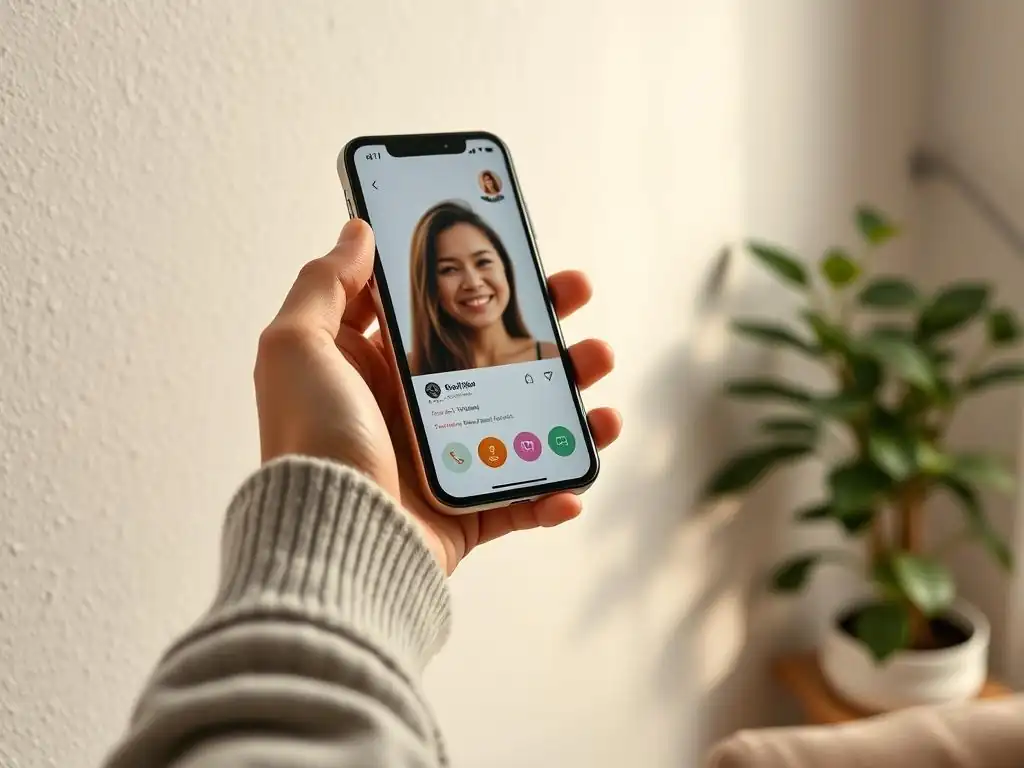
This section delves into the art of crafting an online dating profile that authentically showcases your vulnerability, a key ingredient for forging meaningful connections. Many shy away from revealing their true selves online, fearing rejection or judgment. However, strategic vulnerability can be your secret weapon, attracting individuals who appreciate authenticity and genuine connection. This isn't about oversharing; it's about carefully selecting details that paint a picture of your authentic self and invite deeper engagement. Remember, the goal is to attract compatible partners, not everyone. The right people will appreciate your honesty and openness.
Showcasing Authentic Personality: Tips for Vulnerability in Bio Writing
Authenticity is the bedrock of successful online dating. Avoid generic statements and clichés; instead, focus on sharing specific details that reveal your personality. What are your unique quirks? What are you passionate about? What are your hopes and dreams? These seemingly small details can make a huge difference.
For example, instead of writing "I love to travel," you could write, "My last backpacking trip through Southeast Asia completely changed my perspective on life. The vibrant culture and stunning landscapes inspired me to learn Thai—and I'm still practicing!" This provides a concrete example and reveals your adventurous spirit and willingness to learn.
Here are some additional tips for incorporating vulnerability into your bio writing:
- Mention your imperfections: Everyone has flaws. Acknowledging yours shows self-awareness and confidence. Perhaps you're a terrible cook but a fantastic baker, or you're a neat freak but love spontaneous adventures. These contradictions add depth and intrigue.
- Share your values: What truly matters to you? What are your non-negotiables in a relationship? Sharing your values reveals your priorities and helps attract like-minded individuals.
- Use humor: Self-deprecating humor can be incredibly endearing and shows you don't take yourself too seriously. Just make sure your humor aligns with your overall tone and doesn't come across as offensive.
- Be specific, not vague: Avoid overly general statements. Instead of saying "I'm looking for someone kind," describe what kindness means to you and provide examples. For instance, "Kindness to me means being thoughtful and considerate, like remembering a friend's birthday or offering help to someone in need."
Using Storytelling to Convey Vulnerability in Your Online Dating Profile
Storytelling is a powerful tool for connecting with others on a deeper level. Instead of simply listing your hobbies and interests, weave them into short, engaging stories. Think of anecdotes that highlight your personality, values, and experiences.
For instance, instead of writing "I love dogs," you could share a story about rescuing a stray dog and the impact it had on your life. This creates an emotional connection and reveals your compassionate side.
Remember to keep your stories concise and relevant. Focus on anecdotes that illustrate your personality and values rather than lengthy narratives. Consider using the "show, don't tell" principle – let your actions and experiences speak for themselves. This approach will resonate far more than a simple list of attributes. Think about specific moments that define you, moments of vulnerability, triumph, or even failure. These stories will make your profile stand out and invite deeper engagement.
Incorporating Images that Reflect Your Authentic Self
Your profile pictures are just as important as your bio. They should complement your written profile and reflect your authentic self. Avoid overly filtered or posed photos; instead, opt for candid shots that show your personality and interests.
Consider including:
- Photos showcasing your hobbies and interests: A picture of you hiking, playing an instrument, or volunteering speaks volumes about your passions.
- Photos with friends and family: This shows you have strong social connections and a supportive network. (Ensure you have their permission!)
- A variety of photos: Don't just include selfies. Show your personality through different settings and activities.
- High-quality photos: Invest in some well-lit, high-resolution photos that showcase you in your best light. This demonstrates that you put effort into creating a positive impression.
Remember, the goal is to present a holistic picture of yourself – a picture that's both inviting and authentic. This approach, combining vulnerable storytelling with carefully chosen images, will attract individuals who appreciate your genuine self and are looking for a meaningful connection. The key is to be brave enough to be vulnerable; the rewards are well worth the risk.
Communicating Vulnerability Through Messaging
Online dating vulnerability connection tips often center around how you communicate, not just what you communicate. Successfully conveying vulnerability requires careful messaging. It's about creating a safe space for genuine connection, even within the confines of a digital platform. Remember, vulnerability isn't weakness; it's courage. It's the willingness to be seen, imperfections and all. This section will explore how to strategically use messaging to foster deeper connections.
Initiating Conversations that Encourage Connection
Starting a conversation that invites vulnerability requires moving beyond generic greetings. Instead of a simple "Hi," try something more engaging and personal. Analyze their profile for common ground – a shared interest, a travel photo, or a mention of a favorite book. This shows you've actually looked at their profile, not just sent a mass message.
For example, instead of "Hey, how's it going? ", try: "I noticed you're a big fan of hiking! I love exploring new trails – what's your favorite spot?" This opens the door to a more personal conversation, allowing you to share your own experiences and invite them to do the same. Remember, the goal is to create a connection, not just a date.
Here's a table illustrating different approaches:
| Generic Greeting | Engaging & Personal Greeting | Vulnerability Shown |
|---|---|---|
| "Hi there!" | "Your photos from Italy are stunning! I've always dreamed of visiting..." | Shows interest in their life and willingness to share your dreams |
| "How's your week going?" | "I saw you're a dog lover – I have a golden retriever named Max! What kind of dog do you have?" | Reveals a personal detail and invites reciprocity |
| "Looking for something serious?" | (Avoid this type of direct question. It can sound demanding.) | Avoids vulnerability and creates pressure. |
Remember to keep your initial messages concise and focused. Avoid overly long or detailed messages, which can be overwhelming. Aim for a balance between showing genuine interest and maintaining a light and engaging tone. The key is to spark curiosity and encourage a response that allows for further vulnerability.
Responding Authentically to Show Vulnerability
Responding authentically is just as crucial as initiating vulnerable conversations. Avoid canned responses or generic replies. Instead, take the time to thoughtfully craft your responses, reflecting on what was shared and offering your own perspective in a genuine way.
For instance, if they share a personal anecdote about a challenging experience, acknowledge their vulnerability with empathy. You might respond with something like: "That sounds incredibly difficult. I admire your strength in overcoming that. I've had similar experiences with [briefly relate a relevant experience without overshadowing their story]." This demonstrates empathy and shows that you're willing to be open and honest as well.
Avoid: Dismissing their feelings, offering unsolicited advice, or changing the subject abruptly. These actions can make the other person feel unheard and invalidate their experience.
Authenticity involves being comfortable with silences and pauses in the conversation. It's okay not to have an immediate answer to everything. A thoughtful response is always better than a rushed one. This demonstrates respect for their thoughts and feelings, and enhances the connection.
Identifying and Avoiding Vulnerability Exploiters
While vulnerability is key to forming genuine connections, it's crucial to be aware of potential risks. Not everyone online has good intentions. Some individuals may try to exploit your vulnerability for their own gain. Learning to identify and avoid these people is essential for your safety and well-being.
Several red flags might indicate manipulative behavior:
- Excessive flattery or pressure: Be cautious of individuals who shower you with excessive compliments or pressure you into sharing personal information too quickly.
- Inconsistency in their stories: If their narratives change frequently or seem fabricated, it's a warning sign.
- Asking for financial assistance: This is a major red flag and should never be ignored.
- Controlling or demanding behavior: If they try to dictate your actions or limit your interactions with others, it's a serious concern.
Protecting your vulnerability requires setting boundaries. Don't feel pressured to share information you're not comfortable with. Trust your instincts – if something feels off, it probably is. Remember that building a meaningful connection takes time and mutual respect. Don't rush the process, and always prioritize your safety. Online dating vulnerability connection tips are ultimately about protecting yourself while seeking authentic connection.
Building Trust and Deeper Connections

Building trust in the online dating world is crucial for fostering deeper connections. It's a delicate balance; you want to be open and vulnerable, but also protect yourself from potential harm. This section focuses on practical strategies to cultivate trust and intimacy while navigating the complexities of online interactions. Many users search for "online dating vulnerability connection tips," and understanding these nuances is key to finding success. Remember, building trust is a gradual process that requires patience, consistency, and mutual respect.
Recognizing Signs of Genuine Connection
Recognizing genuine connection amidst the superficiality of online dating requires keen observation and self-awareness. It's not just about flattering messages or quick chemistry; it's about a deeper sense of understanding and mutual respect. Look for these key indicators:
- Active Listening: Does your potential partner actively listen to your responses, asking follow-up questions and remembering details from previous conversations? This shows genuine interest and investment in getting to know you.
- Shared Values and Life Goals: Do you share fundamental values and have compatible life goals? While differences can be enriching, aligning on core values provides a strong foundation for a lasting connection. For example, if you value family and long-term commitment, finding someone who shares that vision is key.
- Emotional Intelligence: Can they empathize with your experiences and express their own emotions in a healthy way? Emotional intelligence is a strong indicator of emotional maturity and the ability to navigate relationship challenges constructively.
- Consistency in Communication: Do they respond regularly and maintain consistent communication, showing a genuine desire to keep in touch? Inconsistent communication is a red flag, potentially indicating disinterest or lack of commitment.
- Respect for Boundaries: Do they respect your boundaries and limitations? This is a critical element of healthy relationships, both online and offline. Respecting boundaries demonstrates consideration and maturity.
Setting Boundaries While Sharing Vulnerability
Sharing vulnerability is essential for building intimacy, but it's crucial to do so within safe and healthy boundaries. Remember, vulnerability doesn't mean revealing everything at once or compromising your personal safety. Instead, it's about gradually sharing personal information and experiences as trust develops.
Consider these steps for setting healthy boundaries:
- Start Small: Begin by sharing smaller, less personal details before moving on to more sensitive topics. This allows you to gauge the other person's response and assess their trustworthiness.
- Control the Pace: You are in control of how much and how quickly you share. Don't feel pressured to reveal more than you're comfortable with, even if the other person is pushing you.
- Be Assertive: It's okay to say "no" or to set limits on certain topics or conversations. Assertiveness is key to protecting your emotional well-being.
- Trust Your Instincts: If something feels wrong or uncomfortable, trust your intuition. Don't ignore red flags or dismiss your gut feelings. Your safety and well-being are paramount.
Maintaining Authenticity in Online and Offline Interactions
Authenticity is the cornerstone of genuine connection. It’s about presenting yourself honestly and consistently, both online and offline. This means avoiding catfishing or presenting a false image of yourself to attract attention. Authenticity fosters trust and allows for a more meaningful connection.
Here’s how to maintain authenticity:
- Honest Profile: Create a profile that accurately reflects your personality, interests, and goals. Avoid using misleading photos or exaggerating your accomplishments.
- Genuine Communication: Communicate honestly and openly, expressing your thoughts and feelings authentically. Avoid hiding your true self behind a mask or persona.
- Consistency: Be consistent in your online and offline interactions. The person you are online should be the same person you are in person. This avoids confusion and builds trust.
- Self-Reflection: Regularly reflect on your online dating experiences and assess whether you are presenting your authentic self. Honest self-reflection is crucial for maintaining authenticity.
Remember, building trust and deeper connections in online dating takes time and effort. By following these tips, and remembering the importance of "online dating vulnerability connection tips," you can increase your chances of forming meaningful and lasting relationships. Be patient, be yourself, and prioritize your safety and well-being throughout the process.
Overcoming Fears of Vulnerability in Online Dating

Online dating vulnerability connection tips often center around overcoming the fear of being judged or rejected. Many people hesitate to show their true selves online, fearing negative reactions. This section delves into strategies for navigating these anxieties and fostering genuine connections. Authenticity is key to finding compatible partners, and vulnerability is the pathway to that authenticity. But vulnerability isn't about weakness; it's about courage, self-awareness, and a willingness to connect on a deeper level. Let's explore how to cultivate this crucial aspect of successful online dating.
Addressing Fear of Rejection and Judgment
The fear of rejection is a universal human experience, amplified in the often-anonymous world of online dating. Many potential partners hide behind carefully crafted profiles, fearing judgment on their appearance, interests, or even their writing style. This fear can lead to superficial profiles that lack depth and fail to attract meaningful connections. However, embracing vulnerability can mitigate this fear. Remember that rejection is a part of dating, both online and offline. It doesn't reflect your worth or diminish your value. Each "no" brings you closer to a "yes" from someone who truly appreciates you.
Consider the following strategies to manage the fear of rejection:
- Focus on self-acceptance: Before seeking validation from others, cultivate self-love and acceptance. Identify your strengths and weaknesses, embracing them both. This inner confidence will radiate outwards, making you more attractive to potential partners.
- Reframe rejection: Instead of viewing rejection as a personal failure, see it as a mismatch of compatibility. Not every connection is meant to be, and that's perfectly okay. Focus on learning from each experience and refining your approach.
- Practice self-compassion: Treat yourself with the same kindness and understanding you would offer a friend. Acknowledge your feelings without judgment and allow yourself time to heal after any setbacks.
- Set realistic expectations: Online dating is a numbers game. Don't get discouraged by a few rejections. Persistence and a positive attitude are essential.
Remember, showing vulnerability doesn't guarantee acceptance, but it significantly increases the chances of forming meaningful connections. Authenticity attracts like-minded individuals who value genuine interaction.
Sharing your true self online requires a significant level of self-confidence. Many individuals struggle with self-doubt and fear that revealing their vulnerabilities will make them appear weak or undesirable. However, genuine self-confidence is the bedrock of successful online dating. It empowers you to present yourself authentically, attracting partners who appreciate your unique qualities.
Here are some steps to build self-confidence and share your true self:
- Identify your strengths: Make a list of your positive attributes, accomplishments, and personal values. Regularly reviewing this list can boost your self-esteem and remind you of your worth.
- Challenge negative thoughts: Pay attention to your inner dialogue. When negative thoughts arise, challenge their validity. Replace self-criticism with self-compassion and positive affirmations.
- Set boundaries: Don't feel pressured to share more than you're comfortable with. Establish healthy boundaries to protect your emotional well-being.
- Practice self-care: Prioritize activities that nourish your mind, body, and soul. Self-care enhances self-esteem and creates a positive foundation for healthy relationships.
- Seek support: Talk to trusted friends, family, or a therapist about your anxieties. Sharing your feelings can help reduce feelings of isolation and build your confidence.
Building self-confidence is an ongoing process, but with consistent effort, you can cultivate the inner strength to embrace vulnerability and connect with others on a deeper level. It’s a journey, not a destination.
Recognizing and Challenging Negative Self-Talk
Negative self-talk is a significant obstacle to vulnerability in online dating. It sabotages your efforts to present your true self, leading to self-doubt and hesitation. Recognizing and challenging these negative thoughts is crucial for building self-confidence and fostering genuine connections.
Negative self-talk often manifests as:
- Catastrophizing: Exaggerating the potential consequences of negative events (e.g., "If I share this, they'll definitely reject me").
- All-or-nothing thinking: Seeing things in black-and-white terms (e.g., "If I'm not perfect, I'm a failure").
- Overgeneralization: Drawing sweeping conclusions based on limited evidence (e.g., "No one will ever like me").
- Personalization: Taking responsibility for events outside your control (e.g., "They didn't respond because I'm boring").
To challenge these negative thoughts:
- Become aware: Pay attention to your inner dialogue. Identify recurring negative thoughts and patterns.
- Question their validity: Ask yourself: Is this thought really true? What evidence supports it? What evidence contradicts it?
- Reframe negative thoughts: Replace negative thoughts with more balanced and realistic ones. For example, instead of "No one will ever like me," try "Some people may not be a good match for me, but others will appreciate who I am."
- Practice self-compassion: Treat yourself with kindness and understanding. Acknowledge your imperfections without judgment.
By recognizing and challenging negative self-talk, you can cultivate a more positive self-image and approach online dating with greater confidence and authenticity. This will ultimately lead to more fulfilling and meaningful connections. Remember, online dating vulnerability connection tips are all about embracing your authentic self.
Vulnerability and Online Dating Safety
Showing vulnerability in your online dating profile and interactions is key to forming genuine connections. However, it's crucial to balance authenticity with safety. This section focuses on practical strategies to protect yourself while still allowing your true self to shine through. Mastering this balance is a crucial aspect of successful online dating, allowing you to attract compatible partners while mitigating risks.
The goal isn't to hide yourself, but to be smart about how you reveal personal information. This involves careful consideration of what you share, when you share it, and with whom. Remember, building trust takes time, and rushing the process can compromise your safety. The key is to gradually reveal aspects of yourself, building rapport and assessing compatibility before sharing highly personal details.
Protecting Your Privacy While Showing Vulnerability
Sharing vulnerability doesn't mean broadcasting your entire life story on your profile. Instead, focus on revealing aspects of your personality and experiences that showcase your authenticity without compromising your safety. For example, instead of stating your exact address, you could mention your favorite local coffee shop or park. This gives potential matches a glimpse into your life without revealing sensitive information.
Similarly, when discussing past relationships or personal struggles, avoid excessive detail. Focus on the lessons learned and personal growth achieved, rather than dwelling on painful specifics. Remember, your goal is to attract genuine connections, not to invite unwanted attention. Consider these practical tips:
- Avoid overly specific details: Instead of saying "I work at Acme Corp on the 17th floor," say "I work in a dynamic corporate environment."
- Use caution with photos: Avoid photos that show your home address or other identifying details.
- Be mindful of your location sharing: Disable location services on dating apps unless you're actively using the location-based features.
- Don't share financial information: Never share bank details, credit card numbers, or other sensitive financial information.
- Verify profiles before sharing personal information: Take the time to look for inconsistencies or red flags before revealing personal details.
Remember, online dating vulnerability connection tips emphasize gradual disclosure. Start with broad strokes, then add detail as you build trust and rapport.
Identifying Red Flags and Avoiding Potentially Harmful Individuals
While vulnerability is important, it's equally crucial to be vigilant about potential dangers. Learning to identify red flags early on can significantly reduce your risk of encountering harmful individuals. Red flags can manifest in various ways, from inconsistencies in profiles to overly aggressive or demanding behavior. Pay close attention to communication patterns. If someone is overly persistent, pressuring you to meet in person too quickly, or exhibiting controlling behavior, it's crucial to exercise caution. Trust your instincts; if something feels off, it probably is. Here are some key red flags to watch out for:
- Inconsistent information: Discrepancies between their profile and their communication should raise concerns.
- Pressure to meet quickly: Healthy relationships develop at a natural pace. Excessive pressure to meet in person before establishing trust is a major red flag.
- Controlling or possessive behavior: Even in early stages, controlling or possessive tendencies are significant warning signs.
- Avoidance of video calls: A reluctance to engage in video calls can indicate they're hiding something.
- Overly aggressive or demanding communication: Unreasonable requests or demands are not signs of a healthy relationship.
Remember, your safety is paramount. If you encounter any of these red flags, do not hesitate to block and report the individual.
Utilizing Online Dating Platforms' Safety Features
Most reputable online dating platforms offer various safety features designed to protect users. Familiarize yourself with these features and utilize them to enhance your safety. These features often include:
- Reporting mechanisms: Use these tools to report suspicious behavior or profiles.
- Blocking features: Block users who make you uncomfortable or exhibit concerning behavior.
- Verified profiles: Look for platforms with profile verification systems to ensure you're interacting with genuine individuals.
- Privacy settings: Adjust your privacy settings to control the information you share with others.
- Two-factor authentication: Enable two-factor authentication for added security.
By utilizing these features, you can create a safer online dating experience while still embracing vulnerability and connecting with potential partners on a deeper level. Remember, online dating vulnerability connection tips are about striking a balance between authenticity and safety. Be mindful, be cautious, and prioritize your well-being. Enjoy the journey of finding meaningful connections!
Frequently Asked Questions
How can I show vulnerability on a dating profile without feeling exposed?
Showing vulnerability doesn't mean revealing everything at once. Start by sharing authentic details about your hobbies, interests, and values. Focus on positive vulnerabilities, like admitting a quirky habit or a past failure you learned from.
What are some safe ways to build deeper connections online?
Prioritize slow and steady communication. Engage in meaningful conversations, share personal stories gradually, and verify profiles before meeting in person. Always meet in public places for initial dates.
How do I avoid appearing needy or desperate when expressing vulnerability?
Maintain a balanced approach. Share your feelings and experiences authentically, but avoid overly emotional or clingy language. Show interest in your date's life equally, and respect their boundaries.
Is it okay to be vulnerable with someone I've just met online?
Vulnerability should be gradual and reciprocal. Don't overshare early on, and gauge your date's comfort level. Look for signs of openness and trust before revealing deeply personal information.
What if someone responds negatively to my vulnerability?
Not everyone will appreciate vulnerability, and that's okay. It's a reflection of their comfort level, not your worth. Focus on finding people who value authenticity and genuine connection.
Final Reflection: Unveiling Authenticity in the Digital Age
The ability to show vulnerability online, particularly in the context of dating, is no longer a luxury—it's a necessity. In a world saturated with curated profiles and superficial interactions, genuine connection hinges on our willingness to shed the masks we wear and embrace our authentic selves. This willingness to be seen, truly seen, is the key to unlocking deeper, more meaningful relationships, both online and offline.
The impact of vulnerability on our social landscape is profound and ongoing. We're moving away from a culture that prizes perfection and stoicism towards one that values authenticity and emotional intelligence. Vulnerability is not weakness; it's our greatest measure of courage.
This quote resonates deeply because it highlights the bravery required to expose our imperfections and insecurities, a bravery that ultimately fosters trust and intimacy. The shift towards embracing vulnerability is not just a trend; it's a necessary evolution in how we connect and build relationships in an increasingly digital world.
Now, consider your own online interactions. Where do you see opportunities to share more of your authentic self? What fears are holding you back from expressing your true feelings and experiences? I invite you to take a small step today—share a personal detail in your next online interaction, express a genuine emotion, or simply be more open about your imperfections. By embracing vulnerability, you not only deepen your connections with others, but you also embark on a journey of self-discovery and personal growth. The rewards are immeasurable.
Unleash Your Authentic Self: Deeper Connections Await
Thank you for exploring the power of vulnerability in building meaningful connections! You've learned how embracing your true self can lead to richer, more fulfilling relationships. Now let's put this knowledge into action.
- Start small: Share something personal with someone you trust—a friend, family member, or partner. Observe how it feels to be open and honest.
- Practice self-compassion: Vulnerability can be challenging, so acknowledge your bravery. Consider journaling to process your feelings.
- Share this article: Help others unlock the potential for deeper connections you've discovered.
Ready to cultivate more authentic and fulfilling relationships? What small step will you take this week to embrace vulnerability?