
Online Dating for Seniors: How to Spot Red Flags

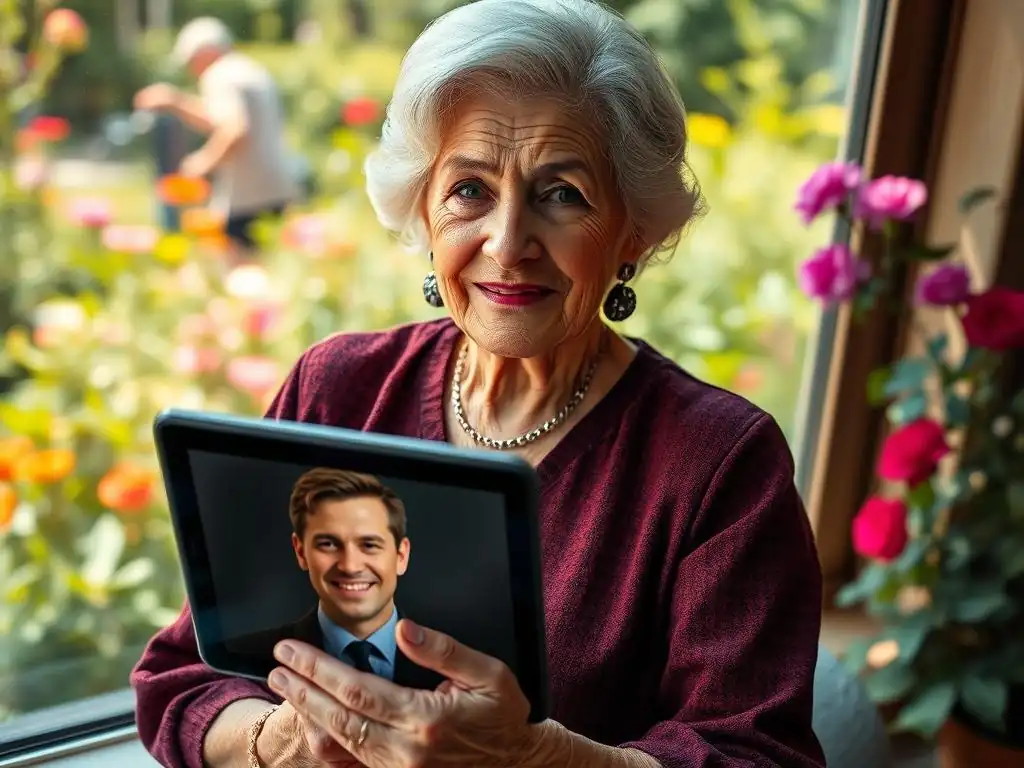
Ready to unlock the secrets to a fulfilling online dating experience? At OnlineDatingSuccess.org, we empower you to navigate the world of digital romance with confidence. But navigating this world safely is crucial, especially as we age. That's why we're diving deep into Online dating scams seniors avoid, providing invaluable insights and practical strategies to help you build genuine connections while protecting yourself from potential pitfalls. Discover how to create a profile that attracts the right people, communicate effectively, and ultimately find the companionship you deserve. Let's get started!
- Understanding Online Dating Scams Targeting Seniors
-
Protecting Yourself from Online Dating Scams: Practical Tips for Seniors
- Securing Your Personal Information: Protecting Against Identity Theft
- Financial Safety: Avoiding Monetary Scams and Requests
- Safe Communication Practices: Protecting Yourself Online
- Verifying Profiles: Ensuring Authenticity and Trustworthiness
- Reporting Suspicious Activity: Steps to Take if You Suspect a Scam
- Building Healthy Online Dating Relationships for Seniors
- Resources and Further Information: Staying Safe While Dating Online
-
Frequently Asked Questions
- What are some common red flags in online dating that seniors should watch out for?
- How can seniors protect themselves from online dating scams?
- Are there specific scams targeting senior citizens on online dating sites?
- What should I do if I suspect I'm being scammed on an online dating site?
- Where can I find more resources to help me stay safe while online dating as a senior?
- Final Reflection: Navigating the Digital Landscape of Love
- Unlock Your Dating Confidence: Take Control Now!
Understanding Online Dating Scams Targeting Seniors
Online dating offers a fantastic opportunity for seniors to connect with new people and build meaningful relationships. The digital world opens doors to companionship and love that might otherwise be difficult to find. However, this exciting new landscape also presents unique challenges, particularly the increased risk of encountering online scams.
This article focuses specifically on helping seniors navigate the world of online dating safely and confidently, equipping you with the knowledge to identify and avoid potential scams. We will explore common scams targeting older adults, highlight key red flags to watch out for, and explain how to recognize pressure tactics often used by fraudsters. By understanding these crucial elements, you can significantly reduce your risk and enjoy the benefits of online dating with peace of mind.
Remember, staying informed and vigilant is your best defense against these predatory activities. Let's delve into the specific tactics used and learn how to protect yourself.
Common Online Dating Scams for Seniors: A Comprehensive Overview
Seniors are often targeted by scammers because they may be more trusting or less familiar with the nuances of online interactions. These scams can range from relatively minor financial losses to devastating emotional and financial consequences. Here are some of the most prevalent types of online dating scams targeting seniors:
- The "Romance Scam": This is perhaps the most common type. A scammer will create a fake profile, often portraying themselves as wealthy, charming, and deeply interested in a long-term relationship. They'll build a strong emotional connection quickly, then eventually ask for money for various fabricated reasons (medical emergencies, travel expenses, business investments). The emotional manipulation is a key component, making it difficult for victims to recognize the scam.
- The "Catfishing Scam": The scammer uses stolen photos and a fabricated identity to lure victims. They may use images from a model or other online sources, creating a false persona to build trust and intimacy. The goal is often to gain the victim's confidence before requesting money or personal information.
- The "Investment Scam": The scammer will present themselves as a financial expert or entrepreneur, promising high returns on investments. They'll often use sophisticated language and create a sense of urgency to pressure victims into investing their money. This type of scam can result in significant financial losses.
- The "Lottery/Prize Scam": Victims are notified that they've won a large sum of money or prize, but to claim it, they need to pay upfront fees or taxes. This is a classic advance-fee scam, and the victim never receives the promised prize.
These are just a few examples, and scammers are constantly developing new methods. Staying informed and aware is crucial to protecting yourself. 💔
Identifying Red Flags: Early Warning Signs of Potential Scams
Learning to identify red flags early on is essential in avoiding online dating scams. These warning signs can help you assess the authenticity of a potential partner and prevent you from becoming a victim. Here are some key red flags to watch out for:
- Inconsistencies in their profile: Pay close attention to details. Do their photos look professionally staged? Are their stories vague or contradictory? Lack of detail or inconsistencies are often a sign of a fake profile.
- Rapid escalation of the relationship: If someone is professing deep love and commitment after only a few online conversations, be cautious. Genuine relationships take time to develop.
- Requests for money or financial assistance: This is a major red flag. Legitimate partners will not ask for money, especially early in the relationship.
- Pressure to meet offline quickly: Be wary of anyone who pressures you to meet in person before you feel comfortable and safe. Take your time getting to know someone online.
- Avoidance of video calls: A scammer may avoid video calls or provide excuses for not being able to have one. This is because they are hiding their true identity.
- Poor grammar and spelling: While not always a definitive sign, consistently poor grammar and spelling in their messages can be an indicator of a fake profile.
By being observant and questioning any inconsistencies or unusual behavior, you can significantly reduce your risk.
Recognizing Pressure Tactics: A Key Indicator of Fraudulent Activity
Scammers often employ pressure tactics to manipulate their victims into acting quickly and impulsively. Recognizing these tactics is crucial to avoiding scams. Here are some common pressure tactics used by scammers:
- Creating a sense of urgency: They may claim there's a limited time to act, creating a sense of panic and preventing you from carefully considering your decision. Examples include fake emergencies or time-sensitive investment opportunities.
- Using emotional manipulation: They may play on your emotions, such as loneliness, sympathy, or desire for companionship, to make you more susceptible to their requests.
- Isolating you from friends and family: Scammers may try to isolate you from your support network to prevent you from seeking advice or help.
- Love bombing: This involves showering you with excessive affection and attention in a short period to quickly build trust and intimacy.
- Gaslighting: They may try to make you doubt your own judgment or memory, making you feel confused and insecure about your decisions.
If you feel pressured or manipulated in any way, step back and take a break from communicating with that person. Trust your instincts; if something feels wrong, it probably is. Remember, legitimate relationships are built on trust, respect, and mutual understanding, not pressure and manipulation. 🫂
Protecting Yourself from Online Dating Scams: Practical Tips for Seniors
Navigating the world of online dating can be exciting, especially for seniors seeking companionship and connection. However, it's crucial to be aware of the potential risks, particularly online dating scams targeting older adults. This section provides practical tips to help you stay safe and avoid becoming a victim. Remember, vigilance and awareness are your best defenses against fraudulent activity. Learning to spot red flags early on is key to protecting yourself and your well-being. The goal is to enjoy the experience of online dating while minimizing the risks.
Securing Your Personal Information: Protecting Against Identity Theft
Protecting your personal information is paramount in online dating. Never share sensitive details like your full address, social security number, bank account information, or passport number with someone you've only met online, no matter how much you trust them. Even seemingly harmless information, when combined, can be used for identity theft.
- Use a strong, unique password: Avoid using easily guessable passwords or reusing passwords across multiple accounts. Consider using a password manager to generate and store strong, unique passwords for each online account.
- Be cautious about photos: Avoid sharing photos that reveal too much personal information, such as images showing your house number or street name.
- Limit information on your profile: Only share the information you feel comfortable with. Don't overshare personal details in your profile or initial messages.
- Reverse image search: Before meeting someone in person, perform a reverse image search on their profile pictures to verify their identity and ensure they aren't using stolen images.
- Monitor your credit report: Regularly check your credit report for any suspicious activity. This can help you detect identity theft early on.
Remember, legitimate dating sites will never ask for your financial information. If someone requests such details, it's a major red flag.
Financial Safety: Avoiding Monetary Scams and Requests
Financial scams are a common tactic used by online dating fraudsters. They often start by building trust and then gradually make increasingly large financial requests. These requests can range from seemingly small favors to substantial sums of money. Always be wary of any requests for money, regardless of the reason given.
| Red Flag | Explanation | Response |
|---|---|---|
| Unsolicited requests for money | This is a classic sign of a scam. Legitimate relationships don't involve immediate financial demands. | Refuse the request politely but firmly. Report the user to the dating platform. |
| Requests for gift cards or wire transfers | These methods are difficult to trace, making them popular choices for scammers. | Never send money via these methods. Use safer payment options if you must send money, and only after verification. |
| Vague or unclear reasons for needing money | Scammers often provide vague explanations for their financial needs, making it difficult to verify their claims. | Ask for specific details and verify their claims independently. |
| Pressure to send money quickly | Scammers often create a sense of urgency to pressure victims into acting quickly before they can think rationally. | Take your time. Don't rush into making financial decisions. |
Never send money to someone you've only met online, no matter how compelling their story may seem. If you're unsure, seek advice from a trusted friend or family member before making any financial decisions. Remember, true connection doesn't involve financial transactions.
Safe Communication Practices: Protecting Yourself Online
Safe communication practices are essential to protect yourself from online dating scams. Avoid sharing personal details too early in the conversation and be wary of individuals who seem too good to be true.
- Start with the dating platform's messaging system: Avoid immediately switching to personal email or phone numbers. This allows the platform to monitor interactions and potentially intervene if necessary.
- Video calls: Propose a video call to verify the person's identity and build trust. This helps to confirm their appearance and demeanor match their online persona.
- Be wary of overly affectionate or fast-moving relationships: Scammers often try to build intense relationships quickly to manipulate their victims.
- Don't share your location: Avoid sharing your precise location until you've met in person and feel comfortable.
- Trust your instincts: If something feels off or doesn't seem right, trust your gut feeling. It's better to err on the side of caution.
- Report suspicious activity: Report any suspicious behavior or profiles to the dating platform immediately. This helps protect other users and may lead to the scammer's account being banned.
By following these safety tips, you can significantly reduce your risk of becoming a victim of online dating scams and enjoy a safer and more positive online dating experience. Remember, building genuine connections takes time and patience; don't rush into anything that feels uncomfortable or suspicious.
Verifying Profiles: Ensuring Authenticity and Trustworthiness
Online dating scams targeting seniors often involve fake profiles designed to deceive. Therefore, verifying profiles is crucial for your safety and peace of mind. Don't rely solely on the information presented; take proactive steps to confirm the authenticity of potential matches. One effective strategy is reverse image searching. If a profile picture seems too perfect or generic, use a reverse image search engine to see if the image appears elsewhere online, potentially revealing its true origin and exposing a fraudulent profile. This simple step can save you from considerable heartache and potential financial loss.
Furthermore, be wary of profiles lacking sufficient detail or those with inconsistencies. A profile with minimal personal information, vague descriptions, or contradictory statements should raise a red flag. Legitimate daters generally want to share aspects of their lives and personality. Pay attention to inconsistencies between the profile's written description and the photos.
If the profile claims a love of outdoor activities but the photos only show them indoors, it’s a sign to proceed with caution. Remember, a genuine connection requires transparency and authenticity. Don't hesitate to engage in cautious conversations to assess the person's consistency and genuineness.
Ask open-ended questions that require more than a simple "yes" or "no" answer, and pay attention to their responses for any evasiveness or inconsistencies. Taking these extra steps can significantly reduce your risk of encountering fraudulent profiles designed to prey on the vulnerabilities of seniors. Remember, your intuition is a powerful tool; if something feels off, it likely is.
Reporting Suspicious Activity: Steps to Take if You Suspect a Scam
If you suspect you've encountered a scam or a fraudulent profile, reporting it is vital, both for your protection and for the safety of other users. Most dating platforms have robust reporting mechanisms in place. Familiarize yourself with the reporting procedures on the specific platform you are using. Look for a "report" or "flag" button on individual profiles or within the messaging interface.
When reporting, provide as much detail as possible. This includes screenshots of suspicious messages, profile information, and any other relevant evidence. The more information you can provide, the more effectively the platform can investigate and take action.
Beyond reporting to the dating platform itself, consider reporting suspicious activity to the appropriate authorities. If you've experienced financial loss or have been a victim of identity theft, contact your local law enforcement and file a police report. Additionally, you can report scams to the Federal Trade Commission (FTC) and other relevant agencies. They maintain databases of reported scams and can provide valuable resources and support.
Remember, you are not alone, and reporting these incidents helps protect others from similar experiences. Don't feel ashamed or embarrassed; reporting scams is a crucial step in combating online fraud and protecting vulnerable individuals. By taking these steps, you contribute to a safer online dating environment for everyone, especially seniors who may be more susceptible to these types of scams. The more we report, the better equipped the platforms and authorities become at preventing future scams.
Building Healthy Online Dating Relationships for Seniors

This section focuses on cultivating safe and fulfilling online dating experiences specifically tailored to the needs and concerns of seniors. Navigating the digital dating world requires a mindful and cautious approach, prioritizing personal safety and building healthy relationships. Understanding how to identify and avoid potential pitfalls is crucial for a positive experience. This isn't just about avoiding scams; it's about fostering genuine connections and building trust. Let's explore some key strategies to achieve this.
Establishing Trust Gradually: A Cautious Approach to Online Connections
Building trust is paramount in any relationship, but it's especially crucial in online dating, particularly for seniors. Rushing into intimacy or revealing personal information too quickly can leave you vulnerable. Instead, adopt a gradual approach, allowing the relationship to develop organically. Start with simple conversations, focusing on shared interests and experiences. Avoid sharing sensitive personal information, such as your full address, financial details, or Social Security number, until you've met in person and developed a strong level of trust. Remember, legitimate connections take time to cultivate. Don't feel pressured to move things along faster than you're comfortable with.
Consider using a video call before an in-person meeting. This allows you to verify the person's identity and get a better sense of their personality. Pay attention to inconsistencies between their online profile and their behavior during the call. If something feels off, trust your instincts. It's better to err on the side of caution. Red flags could include excessive flattery, overly persistent communication, or a reluctance to video chat. These could be indicators of deceptive behavior or a potential online dating scam targeting seniors. Protecting your personal information is key to avoiding online dating scams targeting seniors.
Meeting in Public Places: Prioritizing Safety on First Dates
The first in-person meeting is a significant step. Always choose a public place for your first date, such as a coffee shop, restaurant, or park during daylight hours. Inform a friend or family member about your plans, including the time, location, and the person's name. Share their profile information if you feel comfortable. Let them know when you expect to be home. This simple precaution can provide an extra layer of safety and peace of mind.
During the date, remain alert and aware of your surroundings. If you feel uncomfortable at any point, politely excuse yourself and leave. Trust your intuition; your safety is paramount. Don't feel obligated to continue a date if something doesn't feel right. Avoid getting into a car with someone you've just met online. Remember, a genuine connection will understand your need for safety and will respect your boundaries. Prioritizing your safety is crucial when avoiding online dating scams targeting seniors.
Open Communication: Fostering Honesty and Transparency
Open and honest communication is the foundation of any healthy relationship. Be upfront about your expectations, needs, and concerns. Don't be afraid to ask questions and express your feelings. A genuine connection will value open communication and transparency. If you encounter any suspicious behavior or feel uncomfortable, don't hesitate to express your concerns. A healthy relationship is built on mutual respect and understanding.
Conversely, be mindful of your own communication style. Avoid sharing excessive personal information too early in the relationship. Be cautious about revealing details that could be used to exploit or manipulate you. Remember, building trust is a gradual process, and open communication is key to navigating this process safely and effectively. This is especially important when navigating the complexities of online dating and avoiding online dating scams targeting seniors. Transparency safeguards you against potential harms.
Seeking Support: Utilizing Resources for Safe Online Dating
Navigating the world of online dating can feel daunting, especially for seniors. It's crucial to remember that you're not alone in this journey. Many resources exist specifically designed to help older adults engage in online dating safely and confidently. These resources provide valuable tools and support to protect yourself from potential scams and build healthy relationships.
One vital aspect is understanding the different types of support available. This ranges from educational materials offering insights into common online dating scams targeting seniors—like romance scams promising quick riches or fake profiles designed to exploit emotions—to direct assistance from organizations dedicated to elder fraud prevention. These organizations often offer hotlines where you can report suspicious activity or receive immediate guidance if you believe you're a victim of a scam. They can provide practical advice, emotional support, and even legal assistance if necessary.
Moreover, consider leveraging the support of trusted friends and family. Sharing your online dating experiences with someone you trust can offer a valuable layer of protection. They can help you review profiles, identify potential red flags, and provide a sounding board for decisions. Remember, open communication about your online dating activities is key to ensuring your safety and well-being. This isn't about seeking permission, but about building a support network that can offer guidance and intervention if needed. Don't hesitate to reach out for help; it's a sign of strength, not weakness.
Beyond formal organizations, many online communities and forums cater specifically to older adults interested in online dating. These spaces provide a platform to share experiences, learn from others, and receive advice from people who understand the unique challenges and rewards of dating later in life. These communities can be excellent resources for finding support, exchanging tips on identifying red flags, and building connections with like-minded individuals. Engaging in these communities offers a sense of camaraderie and shared experience, fostering a safer and more supportive online dating environment.
Remember, building a strong support network is paramount to a successful and safe online dating experience for seniors. Don't be afraid to utilize the resources available to you. 👵👴❤️
Resources and Further Information: Staying Safe While Dating Online
Finding love online later in life can be incredibly rewarding, but it's crucial to prioritize safety. This section provides resources and information to help seniors navigate the online dating world confidently and securely, helping you avoid online dating scams targeting seniors. Remember, your safety and well-being are paramount.
Reliable Online Dating Safety Guides and Resources
Many reputable organizations offer comprehensive guides on online dating safety, specifically tailored to the needs of older adults. These resources often provide practical tips on identifying potential scams, protecting personal information, and fostering healthy online interactions. They often cover topics such as:
- Profile Creation: Creating a profile that minimizes personal information disclosure while still showcasing your personality. This includes avoiding sharing financial details, exact addresses, or overly specific details about your daily routine.
- Communication Strategies: Understanding how to communicate safely online, recognizing red flags in communication styles, and avoiding pressure to share sensitive information prematurely. This includes being wary of overly flattering or aggressive communication.
- Meeting in Person: Strategies for planning safe first meetings, including meeting in public places, informing friends or family of your plans, and having a pre-arranged escape plan.
- Financial Safety: Recognizing and avoiding financial scams, including phishing attempts, requests for money, or suspicious investment opportunities.
While specific organizations and guides vary, the core principles remain consistent: be cautious, be informed, and trust your instincts. If something feels off, it probably is. Don't hesitate to end contact with anyone who makes you uncomfortable. Remember, a legitimate dating site or individual will respect your boundaries and concerns.
Organizations Supporting Seniors in Online Dating
Several organizations specifically cater to the needs of older adults navigating online dating. These organizations often provide support, guidance, and resources to help seniors connect safely and confidently. They may offer:
- Workshops and Seminars: Educational sessions on online dating safety, profile optimization, and communication techniques.
- Peer Support Groups: Opportunities to connect with other seniors who are also navigating online dating, providing a supportive community and shared experiences.
- Individual Counseling: Personalized guidance and support for individuals facing challenges or concerns related to online dating.
- Advocacy Services: Assistance with reporting scams and obtaining support in the event of a negative experience.
The specific services offered by each organization can vary, so it’s important to research organizations in your local area or those with a national reach to find the best fit for your needs. [Specific organization names and contact information pending]
Reporting Mechanisms for Online Dating Scams
If you encounter a scam or suspicious activity on an online dating platform, reporting it is crucial. Most reputable platforms have internal reporting mechanisms to flag suspicious profiles or activities. Additionally, you should report scams to the appropriate authorities, including:
- The Dating Platform Itself: Most platforms have a reporting system for suspicious profiles or interactions. Use this system to report any scams or inappropriate behavior you encounter.
- The Federal Trade Commission (FTC): The FTC is the primary federal agency responsible for investigating and addressing consumer complaints, including online dating scams.
- The Internet Crime Complaint Center (IC3): The IC3 is a partnership between the FBI and the National White Collar Crime Center, which allows you to report cybercrime, including online dating scams.
- Local Law Enforcement: If you have been a victim of a financial crime, contact your local law enforcement agency to file a police report.
Prompt reporting helps protect other users and aids in the investigation and prevention of future scams. Documenting your interactions, including screenshots and communication logs, can be extremely helpful when reporting a scam. Remember, you are not alone, and seeking help is a sign of strength, not weakness. Taking these steps helps ensure the safety of yourself and the wider online dating community. 🕵️♀️
Frequently Asked Questions
What are some common red flags in online dating that seniors should watch out for?
Some common red flags include pressure to move quickly to an offline relationship, requests for financial assistance, inconsistent or vague profiles, and avoidance of video calls. Be wary of anyone who seems too good to be true.
How can seniors protect themselves from online dating scams?
Protect yourself by verifying profiles independently, slowing down the relationship process, and never sending money or sharing sensitive personal information. Using video calls early on is also crucial.
Are there specific scams targeting senior citizens on online dating sites?
Yes, seniors are often targeted by scammers posing as wealthy individuals or lonely hearts, promising romance and companionship to gain their trust and money. Grandparent scams are also prevalent.
What should I do if I suspect I'm being scammed on an online dating site?
If you suspect a scam, stop all communication immediately. Report the profile to the dating site and consider reporting the scammer to the authorities. Document all interactions.
Where can I find more resources to help me stay safe while online dating as a senior?
For more information and support, consult websites like the FTC or AARP. These organizations offer valuable resources and advice on identifying and avoiding online scams.
The rise of online dating among seniors presents both incredible opportunities for connection and significant vulnerabilities to exploitation. The ease of access to potential partners online is undeniable, yet this convenience comes with a heightened risk of scams targeting this demographic. Understanding the red flags and employing caution is not just prudent, it's essential for safeguarding the emotional and financial well-being of our aging population.
The impact of online dating scams on seniors extends far beyond the immediate financial loss; it erodes trust, shatters confidence, and leaves lasting emotional scars. The loneliness of aging can be a powerful motivator, making seniors particularly vulnerable to those who prey on their desire for companionship.
This quote highlights the insidious nature of these scams, preying on a deeply human need. The article's exploration of these tactics serves not only as a guide for safe online dating but also as a call for greater societal awareness and support for our elders as they navigate this increasingly digital world.
Consider the lessons learned within these pages. You now possess the knowledge to navigate the complexities of online dating with greater confidence and awareness. Take the time to share this information with your loved ones, particularly those in the senior community. Empower them with the tools to protect themselves and to embrace the joys of connection without fear. Let's build a safer and more supportive online environment for everyone, ensuring that the pursuit of love remains a positive and enriching experience, regardless of age.
Unlock Your Dating Confidence: Take Control Now!
Thank you for learning about online dating as a senior. We hope you gained valuable insights into recognizing red flags. Now, let's put that knowledge to work!
- Prioritize your safety: Carefully review your dating profile to ensure you aren't unintentionally sharing personal information. Consider what details you're comfortable revealing and edit your profile accordingly. This is crucial!
- Report suspicious behavior: If you encounter any concerning behavior online, report it to the dating platform immediately. Your safety and the safety of others is paramount.
- Share your knowledge: Discuss online dating safety with friends and family. Your insights could help them stay safe.
What steps will you take today to improve your online dating safety and experience?