
How to Gauge Your Kid's Readiness to Meet Your Online Date


Ready to navigate the exciting yet complex world of online dating as a single parent? OnlineDatingSuccess.org is your guide to finding love while prioritizing your child's well-being. We understand the unique challenges you face, and this is where we help you make informed decisions. Are you wondering how to assess if your child is ready to meet your online date? Discover practical advice and strategies in our insightful article on "Online dating kid meeting readiness", designed to help you confidently take this crucial step. Let's explore how to make this transition both safe and positive for your entire family.
- Understanding Your Child's Developmental Stage and Online Dating Kid Meeting Readiness
- Preparing Your Child for Meeting Your Online Date
- Strategies for Evaluating Your Child's Readiness
- Signs Your Child Might Not Be Ready
- Creating a Safe and Comfortable Environment for the Meeting
- Post-Meeting Assessment and Ongoing Communication
-
Frequently Asked Questions
- How can I tell if my child is ready to meet my online date?
- What age is generally considered appropriate for a child to meet an online date's parent?
- What are some warning signs that my child isn't ready to meet my online date?
- How can I prepare my child for meeting my online date?
- What should I do if my child has a negative experience meeting my online date?
- Final Reflection: Navigating the Complexities of Online Dating and Family
- Ready to Navigate Dating with Confidence?
Understanding Your Child's Developmental Stage and Online Dating Kid Meeting Readiness
Navigating the world of online dating as a single parent presents unique challenges, particularly when considering introducing your children to someone you've met online. This process requires careful consideration, empathy, and a deep understanding of your child's developmental stage. The decision of when and how to introduce your children to a new partner is deeply personal and should prioritize your child's well-being and emotional security above all else.
This article will guide you through key considerations to assess your child's readiness for meeting your online date, focusing on emotional maturity, age-appropriate understanding, and recognizing signs of potential anxiety or resistance. Remember, there's no one-size-fits-all answer; the right time depends entirely on your individual family dynamics and your child's unique personality and needs.
Prioritizing open communication and a gradual introduction will significantly increase the chances of a positive experience for everyone involved. Successfully navigating this stage will contribute significantly to building healthy relationships for both you and your children.
Assessing Emotional Maturity for Meeting an Online Date
Before introducing your child to your online date, it's crucial to evaluate their emotional maturity. This isn't solely about age; it's about their capacity to understand and manage their feelings. Consider these factors:
- Understanding of Relationships: Can your child grasp the concept of a new person entering your life? Do they understand that this relationship is different from their relationship with you?
- Coping Mechanisms: How does your child typically handle changes or new situations? Do they have healthy coping mechanisms for stress and anxiety? A child who struggles with adapting to change might need more time and preparation.
- Communication Skills: Can your child express their feelings and concerns openly and honestly? Open communication is vital throughout this process.
- Emotional Regulation: Can your child manage their emotions effectively, particularly in potentially challenging situations? A child who struggles with emotional regulation may find meeting a new person overwhelming.
Observe your child's behavior in various situations. Do they handle disappointments well? Are they able to express their needs without tantrums or excessive emotional outbursts? These observations can provide valuable insights into their emotional maturity and readiness. Remember that even mature children can experience anxiety, so open communication and preparation are key.
Considering Your Child's Age and Understanding of Relationships
A child's age significantly impacts their understanding of relationships and their ability to process the introduction of a new person into their family dynamic. Younger children may struggle to comprehend the complexities of adult relationships, while older children may have more nuanced perspectives but may also have more complex emotional responses.
| Age Range | Considerations |
|---|---|
| Preschool (0-5) | Very limited understanding of relationships; focus on creating a safe and comfortable environment. Introduction should be gradual and indirect. |
| Elementary (6-12) | Growing understanding; need clear, age-appropriate explanations. Focus on building trust and familiarity. |
| Teenagers (13+) | More complex understanding; involve them in the decision-making process. Open communication and respect for their feelings are crucial. |
Remember that these are broad guidelines; individual children within these age ranges will have varying levels of maturity and understanding. Tailor your approach to your child's specific developmental level and personality. Remember, patience and understanding are essential at every stage.
Recognizing Signs of Anxiety or Resistance to Meeting Your Date
Even if your child appears emotionally mature, they may still experience anxiety or resistance to meeting your online date. Recognizing these signs is crucial to addressing their concerns and ensuring a positive experience. Look for these indicators:
- Withdrawal: Becoming unusually quiet or withdrawn.
- Increased clinginess: Seeking more physical affection or attention than usual.
- Changes in behavior: Sudden changes in eating habits, sleep patterns, or school performance.
- Physical complaints: Experiencing headaches, stomachaches, or other physical symptoms related to anxiety.
- Direct expressions of worry: Verbally expressing concerns or fears about meeting your date.
If you observe any of these signs, take the time to talk to your child. Create a safe space for them to express their feelings without judgment. Reassure them that their feelings are valid and that you understand their concerns. Consider delaying the introduction until they feel more comfortable and prepared. Remember that prioritizing your child's emotional well-being is paramount. A rushed introduction can have negative consequences, so patience and empathy are key. Remember, your child's comfort and security are the top priorities in this delicate process.
Preparing Your Child for Meeting Your Online Date

This section focuses on preparing your child for the significant step of meeting your online date. Successfully navigating this process requires careful planning and a sensitive approach, ensuring your child feels secure and understood throughout. Remember, their feelings and well-being are paramount. The goal is to create a positive and safe experience for everyone involved. This involves open communication, gradual introductions, and age-appropriate explanations about online dating and its inherent safety considerations. Mastering these elements significantly improves the chances of a smooth transition and a positive outcome for your family.
Open and Honest Communication About Your Online Dating Experience
Open and honest communication is the cornerstone of preparing your child for meeting your online date. Avoid vague or evasive answers; children are surprisingly perceptive and will pick up on inconsistencies. Instead, tailor your communication to your child's age and understanding. Younger children may simply need to know that you're meeting a new friend, while older children can be involved in more detailed conversations.
Start by sharing your positive online dating experiences. Highlight aspects that resonate with your child's understanding, such as meeting new people who share similar interests or finding someone who brings you joy. Emphasize the importance of building connections based on trust and respect. This sets a positive tone and helps them understand the positive aspects of your dating journey.
However, honesty also means addressing potential anxieties. Acknowledge the risks inherent in online dating, but do so without inducing fear. For example, you might say, "Online dating can be great, but it's important to be cautious and meet in public places." This demonstrates responsibility and transparency, creating a safe space for your child to express their own concerns and questions. Remember to actively listen to their perspective and validate their feelings. This fosters trust and strengthens your bond during this transition. Open communication builds a foundation of trust and mutual understanding, vital for navigating this sensitive process.
Introducing the Concept of a New Person in Your Life Gradually
Introducing the concept of a new person into your life gradually is crucial to minimize any potential anxieties your child might have. Avoid sudden announcements or rushed introductions. Instead, gradually introduce the idea using age-appropriate language and methods.
For younger children (under 7), you might start with casual mentions like, "I've met a nice person who enjoys [shared activity], and I'm excited to see them again soon." Focus on the positive aspects of your connection, and keep the details simple. Avoid overloading them with information they can't process.
For older children (7-12), you can provide more details. Explain that you've been getting to know someone, sharing information about their hobbies and personality, but emphasizing the importance of getting to know them better before introducing them formally. You might say, "I've been talking to someone online, and they seem really kind and fun. I'm thinking of meeting them soon."
Teenagers (13+) can handle more detailed conversations. You can discuss your dating experience in more depth, explaining how you've carefully vetted the person you're dating, and the steps you've taken to ensure your safety. Involve them in the decision-making process, asking for their input on potential meeting locations and times. This demonstrates respect for their opinions and reduces their feelings of being excluded. This measured approach minimizes shock and allows your children to adapt to the idea at their own pace.
Age-Appropriate Explanations About Online Dating and Safety
Explaining online dating and safety to your child requires careful consideration of their age and developmental stage. Using age-appropriate language is key to effective communication.
For younger children, explanations should focus on the general concept of meeting new people and the importance of safety in public places. You might say, "Sometimes, grown-ups meet new friends online, but it's important to be careful and always meet in a safe place with other people around."
For older children and teenagers, you can provide more detailed information about online safety, including the dangers of sharing personal information online, the importance of verifying the other person's identity, and the need to meet in public places. You can also discuss the importance of trusting their instincts and reporting any suspicious behavior to a trusted adult. Consider creating a list of safety rules together, making it a collaborative process.
Regardless of your child’s age, emphasize the importance of open communication. Encourage them to talk to you about anything that makes them feel uncomfortable or unsafe, regardless of how small it may seem. Your open and honest approach sets the foundation for a safe and positive experience for everyone. Remember, this conversation is ongoing; revisit and adapt these explanations as your child matures and their understanding grows. This ensures they possess the knowledge and confidence to navigate the evolving dynamics of your online dating journey.
Strategies for Evaluating Your Child's Readiness
Introducing your child to someone you've met through online dating is a significant step, requiring careful consideration of your child's emotional and developmental stage. Successfully navigating this process hinges on accurately gauging your child's readiness. This isn't a simple yes or no question; it's about understanding their emotional landscape and ensuring a positive experience for everyone involved. The goal is to minimize stress and maximize the potential for a healthy relationship between your child and your new partner. Remember, rushing this process can be detrimental, so prioritize your child's well-being above all else.
This section outlines several strategies to help you determine if your child is truly ready. The key is to observe, engage, and seek professional support when needed. This careful approach helps to ensure a smooth introduction and a positive outcome for your family. Successfully navigating this transition is crucial for building a healthy blended family environment.
Observing Your Child's Reactions and Questions During Conversations
Before any face-to-face meeting, initiate casual conversations about dating and relationships. Observe your child's reactions and the types of questions they ask. Are they curious and inquisitive, or withdrawn and hesitant? Do they express any anxieties or concerns? Pay close attention to their nonverbal cues as well – body language can often reveal more than words.
For example, if you mention your online date, does your child engage in the conversation enthusiastically, asking questions about their hobbies and personality? Or do they clam up, avoid eye contact, or change the subject? These subtle indicators can provide valuable insights into their comfort level. Document these observations; a simple journal entry can be helpful in tracking their progress and emotional responses over time.
Consider the age and maturity level of your child. Younger children might express their feelings more directly, while teenagers might exhibit more subtle signs of apprehension. Remember, there's no one-size-fits-all answer. The key is to understand your child's unique personality and communication style. The more you understand their individual cues, the better you can assess their readiness for meeting your date. This careful observation forms the bedrock of your assessment.
Engaging in Role-Playing Scenarios to Prepare for the Meeting
Role-playing can be an incredibly effective tool for preparing your child for the meeting. Create simulated scenarios that mirror potential interactions with your date. This allows your child to practice responding to different situations in a safe and controlled environment.
For instance, you could act out a scenario where your date arrives and engages in friendly conversation. You can then guide your child through appropriate responses, such as greeting your date politely or asking them simple questions. You can also model healthy communication and boundary-setting behaviors. This proactive approach allows your child to develop coping mechanisms and build confidence for the actual meeting.
Another effective technique is to have your child role-play scenarios where they might feel uncomfortable or unsure. This could include scenarios where your date acts in an unexpected way or where your child feels the need to set a boundary. Practice these scenarios repeatedly, allowing your child to refine their responses and build resilience. This preparation can significantly reduce anxiety and increase their confidence in handling unforeseen situations. Remember, the goal is to empower your child, not to eliminate all uncertainty.
Seeking Professional Guidance from a Child Psychologist or Therapist
If you're unsure about your child's readiness or if you notice persistent anxieties or concerns, seeking professional guidance is crucial. A child psychologist or therapist can provide valuable insights into your child's emotional development and offer tailored strategies for preparing them for the meeting.
These professionals can help identify potential challenges, such as separation anxiety or fear of abandonment, and develop coping mechanisms to address these concerns. They can also provide support and guidance throughout the process, ensuring a smooth and positive experience for your child. Don't hesitate to seek professional help; it's a sign of responsible parenting, prioritizing your child's well-being.
They can offer objective assessments and valuable strategies you might not have considered. Remember, professional support is not a sign of failure; it's a proactive step towards ensuring a successful and positive introduction. Prioritizing your child's emotional health is paramount in this delicate situation.
Signs Your Child Might Not Be Ready
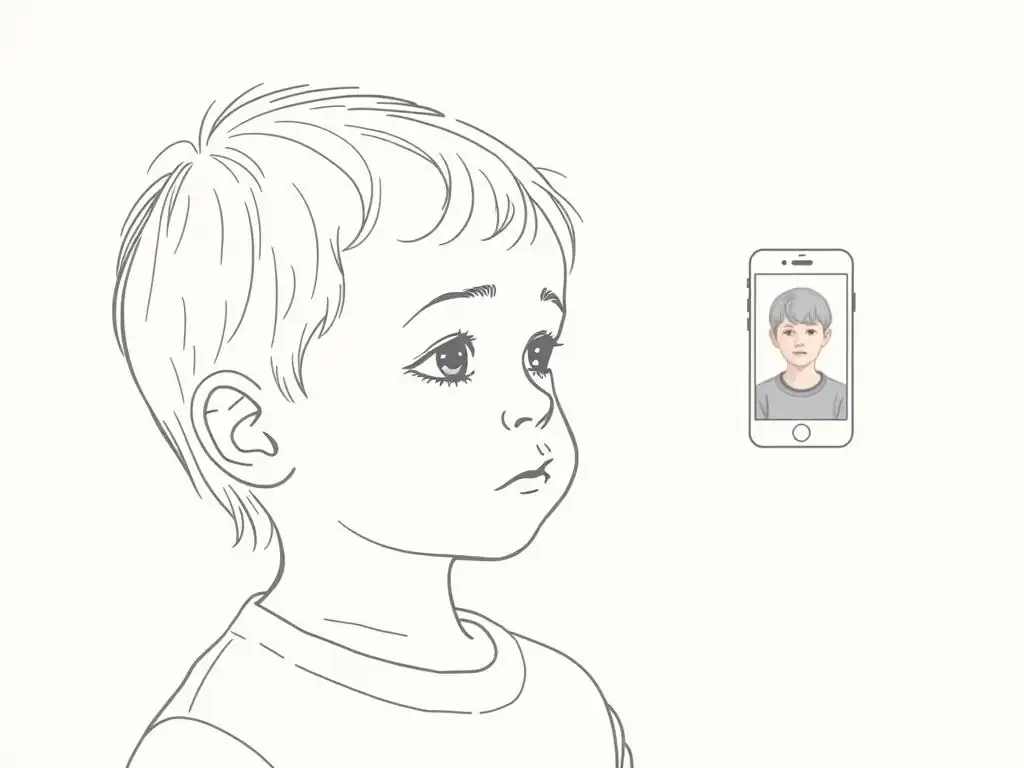
Introducing your children to someone you've met online is a significant step, requiring careful consideration of your child's emotional well-being. Before proceeding, it's crucial to assess their readiness. Ignoring warning signs can lead to unnecessary stress and potentially damage your child's trust in you. This section focuses on identifying key indicators suggesting your child may not be prepared for this introduction. Remember, prioritizing your child's emotional health is paramount in navigating online dating as a single parent. The goal is to foster a secure and supportive environment, even if it means delaying the introduction.
Excessive Anxiety, Fear, or Reluctance to Meet Your Date
Children often express their apprehension in subtle ways. While some initial shyness is normal, excessive anxiety, persistent fear, or outright reluctance to meet your date warrants attention. This isn't simply about being shy; it’s about a level of discomfort that significantly impacts their behavior and well-being.
For example, a child who usually enjoys social gatherings might suddenly become withdrawn and clingy in the days leading up to the planned meeting. They might exhibit increased anxiety symptoms like trouble sleeping, changes in appetite, or even physical complaints like stomach aches or headaches. Persistent questioning about your date, particularly questions laced with worry or fear ("What if they're mean? ", "What if they don't like me? "), also indicates potential unreadiness.
These aren't just typical childhood worries; they signal a deeper unease requiring careful consideration. Consider journaling your child's behavior in the weeks leading up to the planned meeting to identify patterns and gauge their emotional state. This detailed record can be invaluable in assessing their readiness. Remember, a child's emotional readiness is as important as their chronological age.
Negative or Uncooperative Behavior Towards the Idea
Open communication is key, but if your child consistently expresses negative feelings or actively resists the idea of meeting your date, this is a significant red flag. This isn't about a simple "no" – it's about persistent negativity and uncooperativeness. They might express their disapproval through tantrums, arguments, or passive-aggressive behavior. They might also subtly sabotage the plans, for instance, by "forgetting" important details or claiming to be unwell on the day of the meeting.
Consider the intensity and frequency of these behaviors. A single outburst is different from a pattern of resistance. Understanding the underlying reasons for this negativity is also important. Are they worried about losing your attention? Do they fear a disruption to their family dynamic? Openly discussing these concerns with your child—providing a safe space for them to express their feelings without judgment—is crucial. Active listening and validation of their emotions are essential steps in addressing their concerns and gauging their readiness. Remember, forcing the interaction will likely backfire, potentially creating further distrust and resentment.
Regression in Behavior or Emotional Instability
Observe for signs of regression in your child's behavior. This might manifest as a return to behaviors associated with earlier developmental stages. For example, a child who is usually potty-trained might suddenly experience accidents, or an older child might revert to thumb-sucking or clinging to security blankets. Similarly, emotional instability, characterized by unpredictable mood swings, increased irritability, or heightened sensitivity, could indicate that they are struggling to cope with the prospect of meeting your online date.
These behavioral shifts are often subconscious expressions of stress and anxiety. They demonstrate that your child is struggling to process the situation emotionally. Consider the timing of these regressions. Did they begin around the time you started discussing meeting your date?
A sudden change in behavior, especially after introducing the idea of meeting someone new, is a strong indicator that your child needs more time to adjust. Remember, patience and understanding are crucial. Prioritize their emotional well-being above all else. This careful observation and understanding are key components of determining your child's readiness for this significant step in your dating journey.
Creating a Safe and Comfortable Environment for the Meeting

Introducing your children to someone you've met online is a significant step, requiring careful planning and consideration. The goal is to create a setting where your children feel safe, comfortable, and able to assess the situation naturally. This doesn't mean a forced, overly formal environment, but rather a space where anxieties are minimized and positive interactions are encouraged. Remember, the primary focus is your children's well-being and emotional security throughout this process. The success of this introduction significantly impacts their acceptance and adjustment to your new relationship. Careful consideration of the environment plays a crucial role in achieving this.
Choosing a Neutral and Familiar Location for the First Meeting
The location of the first meeting significantly impacts your children's comfort level. Avoid your home initially; a neutral territory allows everyone to feel less pressured. Consider a public park with a playground, a family-friendly restaurant, or a brightly lit, open area like a coffee shop. Familiarity is key – choose a place your children already know and enjoy. This reduces the number of unfamiliar variables and allows them to relax more readily.
For instance, if your kids love the local ice cream parlor, that could be a great choice. The familiar environment will help them feel more secure and less apprehensive about the new person in their lives. Remember, the aim is to minimize stress and maximize positive, casual interaction. This initial meeting should focus on building rapport and establishing a comfortable connection, not on grand gestures or formal introductions.
Ensuring Adult Supervision and a Support System
Never leave your children unsupervised during this initial meeting. Having another trusted adult present provides a crucial support system for both you and your children. This extra adult could be a close friend, family member, or even a responsible babysitter who can offer an additional layer of security and emotional support. Their presence can help diffuse any potential tension and provide a reassuring presence for your kids.
This also allows you to fully participate in the interaction without feeling the pressure of constantly monitoring the situation. The presence of another adult provides a sense of safety and security, enabling a more relaxed and natural interaction between your children and your date. Consider the dynamics carefully: a familiar adult who your children already know and trust will likely create a more comforting atmosphere.
Establishing Clear Boundaries and Expectations for Behavior
Before the meeting, have a clear conversation with your children about appropriate behavior and boundaries. Explain that it's okay to feel nervous or hesitant, and that they can share their feelings with you. Emphasize the importance of respectful communication, both verbally and nonverbally. Discuss what constitutes acceptable physical contact and what actions would be considered inappropriate.
This open dialogue prepares them for the interaction and helps them feel empowered to express their needs and concerns. For example, you can explain that they can always step away if they feel uncomfortable, or that they can signal you discreetly if they need your support. Establish a code word or signal that your children can use if they need to leave the situation or if they feel uneasy.
This provides a sense of control and security, allowing them to navigate the meeting at their own pace. This proactive approach ensures a safer and more positive experience for everyone involved. Remember, open communication and clear boundaries are essential for a successful and comfortable introduction.
Post-Meeting Assessment and Ongoing Communication
This section focuses on the crucial period after your child has met your online date. Successfully navigating this phase is vital for building trust and ensuring a positive experience for everyone involved. Remember, the goal isn't just a single successful meeting, but the ongoing integration of this new person into your family life, if the relationship progresses. Careful observation and open communication are key to assessing your child's readiness and adjusting your approach accordingly. This is about responsible online dating and child well-being.
Monitoring Your Child's Reactions and Feelings After the Meeting
The initial hours and days following the meeting are critical for gauging your child's comfort level. Don't just ask a simple "How was it? ", but engage in deeper conversations. Observe their behavior closely. Are they more withdrawn or unusually clingy? Do they mention the date spontaneously, or avoid the topic entirely? Look for subtle cues. A child's response might not be immediately obvious, and some children might mask their true feelings.
Consider these questions to guide your observations:
- Did your child seem relaxed and comfortable around your date?
- Were there any noticeable changes in their behavior or appetite?
- Did they initiate conversations about the date, or did you have to prompt them?
- Did your child engage in their usual activities or were they distracted or unusually quiet?
- Did your child show any signs of anxiety, such as difficulty sleeping or changes in their eating habits?
Keep a journal to record your observations. This will help you identify patterns and track changes over time. Remember, even small shifts in demeanor can be significant indicators. For example, a normally outgoing child becoming suddenly shy might suggest discomfort. These observations are crucial data points in assessing your child's overall comfort with the situation. Documenting your observations helps you track progress and make informed decisions.
Maintaining Open Dialogue and Addressing Any Concerns
Open and honest communication is paramount. Create a safe space where your child feels comfortable expressing their thoughts and feelings, without judgment. Avoid pressuring them to have a certain opinion. Instead, use active listening techniques to fully understand their perspective. This means truly hearing what they're saying, both verbally and nonverbally.
Here are some effective communication strategies:
- Use age-appropriate language: Explain things in a way your child can understand.
- Validate their feelings: Let them know that their feelings are valid, even if you don't fully agree with them. Phrases like, "It sounds like you felt a little uncomfortable," or "I understand why you might feel that way," can be very reassuring.
- Ask open-ended questions: Encourage them to share their experiences and feelings by asking questions like, "What did you think of [date's name]? ", "How did you feel when [specific event happened]? ", or "Is there anything you'd like to talk about regarding the meeting?"
- Avoid dismissing their concerns: Even if you believe their worries are unfounded, acknowledge them and address them seriously. Ignoring their feelings can damage trust and create further anxiety.
Remember, your child's emotional well-being is paramount. The goal is to foster a trusting relationship where they feel empowered to share their feelings openly and honestly. This ongoing dialogue is crucial for the successful integration of your new relationship.
Adjusting Your Approach Based on Your Child's Feedback
Your child's feedback should guide your decisions regarding future interactions with your online date. If your child expresses discomfort or negative feelings, you should carefully consider their concerns. This might mean reducing the frequency of meetings, changing the setting of future interactions, or even temporarily suspending contact. Your child's happiness and security should always be your top priority. Prioritizing their feelings shows respect and builds trust.
Consider these scenarios and possible responses:
| Scenario | Possible Response |
|---|---|
| Child expresses discomfort with your date. | Reduce the frequency of meetings, choose less formal settings, or consider temporarily suspending contact. |
| Child shows signs of anxiety or withdrawal. | Spend extra time reassuring them, validate their feelings, and discuss their concerns openly and honestly. |
| Child is enthusiastic and enjoys the meetings. | Maintain the current approach, and continue to monitor their reactions and feelings over time. |
| Child expresses specific concerns about your date. | Address these concerns directly with your date, and ensure the child's safety and comfort remain paramount. |
Remember, introducing a new person into your child's life is a gradual process. There is no right or wrong answer. The key is to be flexible, responsive, and always prioritize your child's well-being. This approach demonstrates responsible online dating practices and ensures a smooth transition for your family.
Frequently Asked Questions
How can I tell if my child is ready to meet my online date?
Consider your child's maturity level, their understanding of the situation, and their comfort level around new people. A gradual introduction, starting with short, supervised meetings, is often best.
What age is generally considered appropriate for a child to meet an online date's parent?
There's no magic number, but prioritize your child's emotional well-being and safety. Older children might handle the situation better, but open communication is key regardless of age.
What are some warning signs that my child isn't ready to meet my online date?
Look for signs of anxiety, withdrawal, or reluctance to participate. If your child expresses discomfort or fear, respect their feelings and postpone the meeting.
How can I prepare my child for meeting my online date?
Explain the situation clearly and honestly, answering their questions openly. Reassure them that their feelings are valid and that their safety is your top priority. Role-playing can also be helpful.
What should I do if my child has a negative experience meeting my online date?
Prioritize your child's emotional well-being. Listen to their concerns without judgment. If necessary, seek support from a therapist or counselor to help them process their feelings and rebuild trust.
The intersection of online dating and family life is increasingly complex, demanding careful consideration and proactive planning. The decisions we make about introducing new partners to our children can have profound and lasting effects on their well-being and our family dynamics. This isn't simply about logistics; it's about safeguarding emotional security and fostering healthy relationships.
The journey of blending families, particularly when initiated through online dating, requires immense sensitivity and awareness. It's a delicate dance, balancing the excitement of a new relationship with the paramount need to protect our children. As we navigate this modern landscape, we must remember the importance of prioritizing our children's emotional needs. Children are not small adults; they have unique needs and vulnerabilities that must be respected and addressed.
This quote underscores the vital role of careful consideration and open communication throughout this process.
You, the reader, are now equipped with a framework to assess your child's readiness. But remember, this is a journey, not a destination. Continuously evaluate your child's responses, adjust your approach as needed, and prioritize open and honest communication with both your child and your partner. Embrace the challenges, celebrate the successes, and remember that building a strong, healthy family is a process that deserves your unwavering attention and care. The well-being of your child should always be the guiding star in this journey.
Thank you for learning how to thoughtfully introduce your children to someone you're dating online! We hope you found this information helpful. Now, let's put this knowledge into practice.
- Always meet in person in a safe, public place before introducing your children. This allows you to assess compatibility and ensure you feel comfortable before involving your family.
- Share this article with other parents who are also navigating online dating. Let's build a supportive community where we can learn from one another's experiences.
- Consider keeping a journal about your dating journey and the steps you're taking—it's a great way to reflect on your progress.
What's the most important factor you'll consider when deciding whether and when your children should meet someone you're dating online?