
Avoiding Conflict: The Role of Clear Expectations in a Healthy Relationship


Welcome to OnlineDatingSuccess.org, your guide to navigating the exciting yet sometimes challenging world of online dating! Are you ready to transform your online dating experience from frustrating to fulfilling? We believe that building meaningful connections starts with clear communication and proactive conflict resolution. Discover powerful online dating conflict resolution tips in our latest article, "Avoiding Conflict: The Role of Clear Expectations in a Healthy Relationship," and unlock the secrets to long-term success. Let's build a brighter future for your love life – explore more now!
- Understanding Conflict in Online Dating Relationships
- Setting Clear Expectations: Communication is Key
- Navigating Disagreements and Resolving Conflict
- Building a Foundation of Mutual Understanding and Respect
- Maintaining Open Communication After the Initial Stages
- Preventing Conflict Through Proactive Communication
- The Role of Shared Values and Goals
-
Frequently Asked Questions
- How can I prevent conflicts from arising in online dating?
- What should I do if a conflict arises with my online dating match?
- What are some common causes of conflict in online dating?
- How can I resolve conflict constructively during the early stages of online dating?
- When should I consider ending communication with an online dating match due to unresolved conflict?
- Final Reflection: Cultivating Harmony: The Power of Clear Expectations in Love
- Unlock Lasting Connection: Put Your Relationship Expectations to the Test
Understanding Conflict in Online Dating Relationships
Navigating the world of online dating can be exhilarating, offering a chance to connect with potential partners you might never otherwise meet. However, this exciting journey isn't without its challenges. One of the most significant hurdles many online daters face is conflict.
This article delves into the crucial role of clear expectations in preventing and resolving conflicts, ultimately paving the way for healthier, more fulfilling online dating experiences and, hopefully, long-term relationships. We'll explore common sources of conflict, the detrimental effects of unclear expectations, and provide a practical self-reflection exercise to help you define your relationship needs and desires before even embarking on a first date. Successfully managing expectations is key to building a strong foundation for any relationship, and this is especially true when navigating the unique dynamics of online dating.
Learning to communicate your needs effectively and understanding those of your partner is paramount to avoiding unnecessary misunderstandings and fostering a positive and respectful connection. Let's dive in and equip you with the tools to build healthy, conflict-free relationships born from the digital realm.
Recognizing Common Sources of Conflict in Online Dating
Online dating, while offering incredible opportunities, presents a unique set of challenges that can lead to conflict. Understanding these common friction points is the first step towards preventing them. Some of the most frequent sources of conflict include:
- Mismatched Expectations Regarding Relationship Goals: One person might be looking for a casual relationship, while the other seeks something long-term. This fundamental difference in desires is a major breeding ground for conflict. For example, one partner might invest significant time and emotional energy, only to discover the other is not on the same page.
- Communication Style Differences: Online communication lacks the nuances of face-to-face interaction. Misinterpretations of text messages, emails, or even video chats are commonplace and can easily escalate into arguments. Sarcasm, for instance, often gets lost in translation.
- Differing Levels of Commitment and Availability: Conflicting schedules, varying levels of emotional availability, and different expectations regarding how much time should be spent together can all contribute to misunderstandings and conflict.
- Lack of Transparency and Honesty: Hiding aspects of your personality or past relationships can create trust issues later on. Openness and honesty are crucial for building a healthy foundation.
- Unrealistic Expectations Built on Idealized Online Profiles: Online profiles often present idealized versions of individuals. When reality doesn't match the online persona, disappointment and conflict can arise.
The Impact of Unclear Expectations on Relationship Dynamics
The absence of clear expectations acts as a catalyst for conflict. When individuals enter a relationship with undefined goals, boundaries, and communication styles, misunderstandings are inevitable. This lack of clarity can manifest in several detrimental ways:
- Increased Stress and Anxiety: Constant uncertainty about the relationship's direction and the partner's intentions can lead to significant stress and anxiety for both individuals.
- Erosion of Trust: When expectations are left unspoken, assumptions and misinterpretations can breed distrust and damage the relationship's foundation.
- Communication Breakdown: Unclear expectations often lead to ineffective communication, making it difficult to resolve conflicts constructively.
- Relationship Instability: The lack of a shared understanding of the relationship's goals and boundaries makes it inherently unstable and prone to conflict.
- Increased Likelihood of Breakups: Relationships built on unclear expectations are more likely to end prematurely due to unresolved conflicts and unmet needs. The absence of a shared vision for the future significantly increases the risk of incompatibility.
Identifying Your Expectations: A Self-Reflection Exercise
Before embarking on a new online dating journey, or even continuing an existing one, it’s crucial to engage in a period of self-reflection to clarify your expectations. This exercise will help you articulate your needs and desires, setting the stage for healthier communication and conflict resolution:
- Relationship Goals: What are you looking for in a relationship? (e.g., casual dating, long-term commitment, marriage)
- Communication Preferences: How do you prefer to communicate? (e.g., frequent texting, occasional calls, regular dates)
- Time Commitment: How much time are you willing to dedicate to a relationship?
- Values and Beliefs: What are your core values and beliefs? How important is it that your partner shares them?
- Boundaries: What are your personal boundaries regarding physical intimacy, emotional sharing, and personal space?
- Deal Breakers: What are your absolute deal breakers in a relationship?
By honestly answering these questions, you'll gain a clearer understanding of your own needs and expectations, allowing you to communicate them effectively to potential partners and to identify those who are compatible with your vision for a healthy relationship. This proactive approach significantly reduces the likelihood of conflict down the line. Remember, open and honest communication is the cornerstone of any successful relationship, and online dating is no exception.
Setting Clear Expectations: Communication is Key
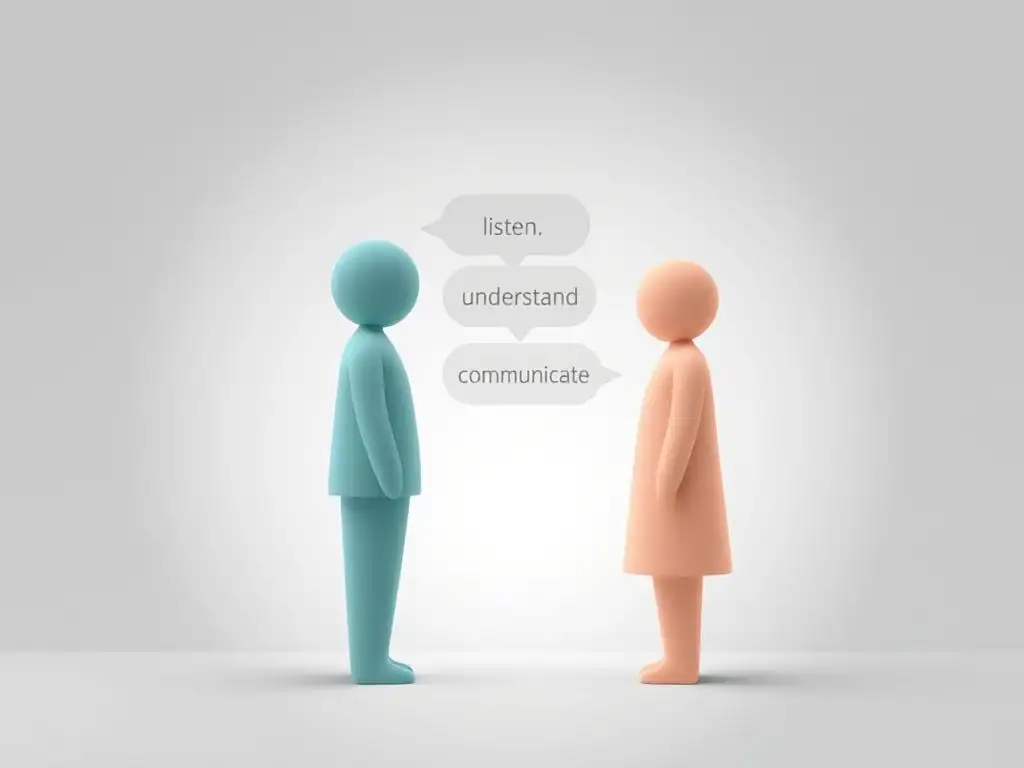
This section delves into the crucial role of clear communication in preventing conflict and fostering healthy relationships that blossom from online dating. Open, honest, and proactive communication is the bedrock of any successful partnership, and online dating, with its unique challenges, necessitates even greater attention to this aspect. Misunderstandings, often stemming from unspoken assumptions or differing interpretations of actions, are easily avoided with a well-defined communication strategy.
Mastering these techniques significantly improves your chances of building a strong, lasting connection. Remember, effective communication is not just about what you say, but how you say it, and the proactive steps you take to ensure mutual understanding.
Open and Honest Communication Strategies for Online Daters
Online dating presents a unique communication landscape. The absence of face-to-face interaction can lead to misinterpretations and missed cues. To mitigate this, prioritize open and honest communication from the outset. This means being upfront about your intentions, values, and expectations. Avoid ambiguity; vague statements can easily breed conflict. For instance, instead of saying "I'm looking for something serious," which is open to interpretation, try, "I'm looking for a committed, long-term relationship where we can build a life together." The specificity minimizes the room for misunderstanding.
Furthermore, actively encourage open dialogue with your dating partner. Ask direct questions about their expectations, relationship goals, and lifestyle preferences. Don't shy away from potentially sensitive topics. Addressing these early on prevents the accumulation of unspoken resentments. Consider utilizing online communication tools effectively; a simple text message might not suffice for complex discussions.
Video calls can add a layer of personal connection and help clarify nuances often lost in text-based communication. Remember, genuine communication involves both speaking and actively listening. Pay attention to their responses, ask clarifying questions, and show genuine interest in their perspective. This reciprocal approach significantly enhances understanding and trust.
Effective Communication Techniques to Avoid Misunderstandings
Effective communication in online dating requires a conscious effort to avoid common pitfalls. One such pitfall is assuming shared understanding. Never assume your partner shares your expectations, values, or communication style. Always explicitly state your needs and desires, and equally importantly, actively listen to theirs. Another crucial technique is utilizing clear and concise language. Avoid jargon, slang, or overly emotional language that might be misinterpreted. Stick to factual statements and avoid making assumptions or generalizations.
Another common issue is the tendency to over-analyze messages or actions. Resist the urge to read too much into brief responses or perceived silences. If you're unsure about something, directly ask for clarification rather than jumping to conclusions. This prevents unnecessary conflict and fosters a sense of security and trust. Finally, remember the importance of empathy. Try to see things from your partner's perspective. Understanding their background, experiences, and motivations can help you navigate disagreements more constructively. This empathetic approach will contribute significantly to conflict resolution and relationship building, providing strong online dating conflict resolution tips.
Discussing Expectations Early On: A Guide for Online Daters
Proactive communication is paramount in preventing conflict. Addressing expectations early on sets a healthy foundation for the relationship. Don't wait for problems to arise; initiate conversations about your relationship goals, lifestyle preferences, and personal values. Create a safe space for open dialogue. This might involve scheduling dedicated time for deeper conversations, away from the distractions of daily life. Consider creating a shared document or using a collaborative platform to record your expectations and agreements. This provides a tangible record to refer back to, ensuring clarity and consistency.
When discussing expectations, focus on using "I" statements. For instance, instead of saying "You never call me," try "I feel insecure when I don't hear from you regularly." This approach focuses on expressing your feelings without placing blame. Be prepared to compromise. Relationships thrive on mutual respect and a willingness to meet each other halfway.
Remember, the goal is to find common ground and build a relationship based on shared understanding and mutual respect. This proactive approach significantly reduces the likelihood of future conflicts, providing valuable online dating conflict resolution tips and contributing to a more fulfilling and lasting relationship. Remember, successful relationships are built on a foundation of open communication and clearly defined expectations. 🤝
Navigating disagreements is a crucial aspect of any relationship, especially those formed through online dating. The initial excitement of a new connection can sometimes mask underlying differences in values, lifestyles, and expectations. Understanding how to handle disagreements constructively is key to building a strong and lasting relationship. This section focuses on proactive strategies to minimize conflict and effectively resolve disputes when they arise. Remember, even the most compatible couples experience disagreements; it's how you handle them that determines the relationship's health.
Successfully navigating these challenges is a testament to your commitment and willingness to work together. This involves cultivating open communication, active listening, and a shared commitment to finding solutions. Ignoring problems rarely leads to resolution and often exacerbates the underlying issues, potentially leading to resentment and ultimately, relationship breakdown. Proactive conflict resolution is an investment in your relationship's longevity.
Healthy Conflict Resolution Techniques for Online Couples
Online dating introduces unique challenges to relationship dynamics. The lack of face-to-face interaction can sometimes lead to misunderstandings and misinterpretations. Therefore, employing healthy conflict resolution techniques is paramount. Here are some practical strategies:
- Empathetic Communication: Before addressing the issue, take a moment to understand your partner's perspective. Try to see things from their point of view, even if you don't necessarily agree. Using phrases like, "I understand you feel..." can demonstrate empathy and encourage open dialogue. Remember, online communication can easily lack the nuance of in-person conversation, making empathy even more crucial.
- Active Listening: Truly listen to what your partner is saying without interrupting or formulating your response. Pay attention to both their words and their nonverbal cues (if applicable through video calls). Summarize their points to ensure understanding: "So, what I'm hearing is..." This shows you're engaged and helps prevent miscommunication.
- "I" Statements: Frame your concerns using "I" statements instead of "You" statements. For example, instead of saying "You always make me feel ignored," try "I feel ignored when..." This avoids placing blame and encourages a more collaborative discussion.
- Take Breaks: If the conversation becomes heated, taking a break can be beneficial. Agree on a time to reconvene when you're both calmer and more receptive to a productive discussion. This prevents escalating the conflict unnecessarily.
- Focus on Solutions: Rather than dwelling on the problem, shift the focus towards finding solutions together. Brainstorm possible solutions, even if they seem initially imperfect. The goal is to work collaboratively towards a mutually acceptable outcome.
- Compromise: Healthy relationships require compromise. Be willing to meet your partner halfway, even if it means making some concessions. This demonstrates respect and a willingness to work together for the relationship's success.
Online Dating Conflict Resolution Tips: Practical Strategies
Effective communication is the cornerstone of resolving conflicts in online relationships. However, the digital nature of the interaction requires specific strategies.
| Strategy | Description | Example |
|---|---|---|
| Clarify Expectations | Discuss values, lifestyles, and relationship goals early on to prevent future misunderstandings. | "What are your expectations regarding commitment and exclusivity?" |
| Use Multiple Channels | Utilize various communication methods (text, video call, etc.) to convey emotions and intentions more effectively. | Discuss sensitive issues via video call to better understand nonverbal cues. |
| Schedule Regular Check-Ins | Dedicate specific times for open communication to address concerns proactively before they escalate into significant conflicts. | "Let's have a quick chat every Sunday evening to discuss our week." |
| Document Agreements | Keep records of important decisions or agreements to avoid future disputes. | Save screenshots of important conversations or create shared documents. |
| Seek External Mediation | If you're struggling to resolve a conflict independently, consider involving a trusted mutual friend or counselor (see below). | A neutral third party can help facilitate a constructive dialogue. |
Remember, consistent effort is key. Small, proactive steps can significantly reduce the likelihood of major conflicts. The goal is not to eliminate disagreements entirely, but to develop healthy mechanisms for navigating them effectively.
Seeking Professional Help: When to Seek Relationship Counseling
While many conflicts can be resolved through open communication and compromise, some situations may require professional help. Seeking relationship counseling isn't a sign of failure; it's a sign of proactive commitment to your relationship's well-being. Consider seeking professional guidance if:
- Communication breakdowns are persistent and unresolved: Despite your best efforts, you consistently struggle to communicate effectively and resolve disagreements.
- Conflict patterns are destructive: Disagreements regularly escalate into arguments, insults, or other harmful behaviors.
- Resentment and distrust are building: Unresolved conflicts are leading to growing resentment, distrust, or emotional distance.
- You're struggling to manage your emotions: Conflicts trigger overwhelming emotions that you find difficult to manage on your own.
- Abuse is present: If any form of abuse (physical, emotional, or verbal) is involved, seeking professional help is crucial. This is not a situation to handle alone.
A therapist can provide a safe and neutral space to work through these challenges, offering guidance, tools, and strategies for building healthier communication patterns and resolving conflicts constructively. Remember, investing in your relationship's health through professional support is a testament to your commitment and desire for a fulfilling and lasting partnership. Seeking help is a sign of strength, not weakness.
Building a Foundation of Mutual Understanding and Respect

This section focuses on the crucial first steps in establishing a healthy, conflict-free relationship born from online dating. Building a strong foundation requires proactive communication and a commitment to mutual understanding and respect from the outset. Ignoring these foundational elements often leads to misunderstandings and conflict down the line. The key is to create a space where both partners feel heard, valued, and respected.
This isn't just about avoiding arguments; it's about cultivating a genuine connection built on trust and empathy. Remember, online dating conflict resolution tips often focus on fixing problems after they arise, but preventing conflict entirely is far more effective. Let's explore how to build this solid base.
Establishing Boundaries in Online and Offline Interactions
Setting boundaries is paramount in any relationship, but particularly crucial when navigating the complexities of online dating. Boundaries define your personal limits and expectations, ensuring healthy interactions and preventing misunderstandings. These boundaries can be broad, like defining your comfort level with sharing personal information online, or quite specific, such as setting expectations around response times to messages. Consider these examples:
- Online Communication: Establishing clear boundaries around how often you check messages, your preferred communication methods (text, call, video chat), and the topics you're comfortable discussing online. For example, you might establish that you prefer not to discuss sensitive topics like past relationships until you've met in person. This prevents premature emotional investment and potential hurt feelings.
- Offline Interactions: Defining boundaries around physical affection, meeting locations, and introducing partners to friends and family. It's important to communicate your comfort levels openly and honestly. This might involve stating a preference for meeting in public places for initial dates or specifying a desired level of physical intimacy.
- Time Management: Setting expectations around how much time you dedicate to the relationship, especially in the initial stages. This avoids over-commitment or feeling pressured to respond instantly. It's okay to have personal time and other commitments. Openly discussing time constraints prevents resentment and avoids conflict.
Clear communication of these boundaries is key. Expressing your needs and expectations respectfully, without blame or judgment, allows your partner to understand your limits and respond accordingly. Ignoring boundaries, either consciously or unconsciously, is a common source of conflict in online dating relationships. Proactive boundary setting establishes a healthy dynamic from the start.
Fostering Empathy and Compassion in Your Relationship
Empathy and compassion are essential ingredients for a successful and conflict-free relationship. Empathy involves understanding and sharing the feelings of your partner, while compassion involves showing kindness and care. In the context of online dating, where initial interactions are often mediated through screens, fostering empathy and compassion requires extra effort. Consider these strategies:
- Active Listening: Pay close attention to what your partner is saying, both verbally and nonverbally. Try to understand their perspective, even if you don't agree with it. Ask clarifying questions to ensure you understand their point of view.
- Perspective-Taking: Consciously try to see things from your partner's perspective. Consider their background, experiences, and current emotional state. This can significantly improve your ability to understand and respond to their needs.
- Validation: Acknowledge and validate your partner's feelings, even if you don't necessarily agree with them. A simple statement like, "I understand that you're feeling frustrated," can go a long way in de-escalating conflict.
- Kindness and Understanding: Show kindness and understanding, especially during disagreements. Remember that everyone makes mistakes, and it's important to approach conflicts with a spirit of forgiveness and compassion. Focus on resolving the issue, not on assigning blame.
Lack of empathy and compassion can be a significant source of conflict. By cultivating these qualities, you create a safe and supportive environment where both partners feel comfortable expressing their feelings and resolving conflicts constructively. This is a cornerstone of healthy relationship building, particularly when navigating the complexities of online dating.
The Long-Term Benefits of Clear Expectations in Online Dating Relationships
Establishing clear expectations from the beginning significantly reduces the likelihood of future conflicts and fosters a more fulfilling long-term relationship. This proactive approach to communication and understanding provides several key advantages:
- Reduced Misunderstandings: Clear expectations minimize ambiguity and prevent misinterpretations, reducing the potential for conflict stemming from differing assumptions. Openly discussing your goals, values, and desires ensures you're both on the same page.
- Increased Trust and Intimacy: When partners feel understood and respected, trust and intimacy flourish. Open communication and shared expectations create a secure foundation for a deeper connection.
- Improved Conflict Resolution: When conflicts do arise (as they inevitably will in any relationship), clear expectations provide a framework for constructive dialogue and resolution. Knowing each other's boundaries and preferences makes it easier to find common ground.
- Enhanced Relationship Satisfaction: Relationships built on mutual understanding and clear expectations tend to be more satisfying and fulfilling in the long run. This proactive approach to relationship management contributes to a stronger, more resilient bond.
In essence, investing time and effort in establishing clear expectations in the early stages of an online dating relationship is an investment in the long-term health and happiness of the partnership. It's a proactive strategy that significantly increases the chances of building a successful and fulfilling relationship. This approach offers a powerful set of online dating conflict resolution tips – preventing conflict before it even begins.
Maintaining Open Communication After the Initial Stages
The initial stages of online dating, characterized by excitement and novelty, often overshadow the importance of consistent, open communication. However, sustaining a healthy relationship requires ongoing dialogue, even – and especially – after the initial infatuation fades. Failing to maintain this open communication is a major contributor to online dating conflict, often stemming from unspoken assumptions and unmet expectations. Successfully navigating this transition requires proactive effort and a willingness to adapt. This section focuses on strategies to maintain open communication and prevent conflict arising from evolving needs and desires.
Addressing Shifting Expectations Over Time
As a relationship progresses, individual needs and priorities may shift. What initially felt exciting or acceptable might become less so over time. This is perfectly normal; the key is to address these shifts openly and honestly. Avoid assuming your partner shares your evolving expectations. Instead, actively discuss these changes. For example, the frequency of dates might decrease as life commitments increase; the level of intimacy might change as you both better understand each other's comfort zones; and individual goals may evolve, requiring adjustments in shared plans.
Consider this scenario: You initially connected with someone who expressed a desire for frequent, spontaneous dates. However, after several months, their work schedule becomes more demanding, leading to less available time. Instead of assuming they’ve lost interest, initiate a conversation. Ask them about their work commitments, and discuss how you can adapt your dating schedule to accommodate their changes.
This open dialogue prevents resentment and misunderstanding, key components of conflict resolution in online dating. Remember, flexibility and understanding are crucial in successfully navigating these shifting expectations. It's vital to approach these conversations with empathy and a willingness to compromise, transforming potential conflicts into opportunities for deeper connection.
Regular Check-ins and Relationship Reviews
Proactive communication is paramount. Schedule regular check-ins, perhaps weekly or bi-weekly, to discuss how the relationship is progressing. These aren't formal evaluations but rather informal opportunities to share feelings, address concerns, and ensure both partners are on the same page. These check-ins should be casual and relaxed, focusing on open dialogue and active listening. These regular check-ins are a preventative measure against conflict. Addressing minor issues before they escalate into major disagreements saves time and emotional energy in the long run.
Think of these check-ins as relationship maintenance – much like regular servicing for a car ensures smooth operation, consistent communication prevents relationship breakdowns. During these sessions, focus on both the positive aspects and any areas needing attention. Don’t hesitate to use specific examples; for instance, "I felt a little hurt when..." or "I really appreciated it when..." These specifics help avoid generalizations and facilitate clear understanding.
Consider using a structured approach: Discuss highlights of the week, express appreciation, identify any concerns, and collaboratively brainstorm solutions. This structured approach helps maintain focus and ensures all aspects of the relationship are considered.
Adapting Expectations to Life Changes
Life throws curveballs. Job changes, family emergencies, and unexpected events can significantly impact a relationship. Open communication during these times is not merely helpful; it's essential for navigating challenges successfully. Adapting expectations to unexpected life changes requires flexibility, understanding, and a willingness to compromise. It's crucial to remember that these changes often impact both partners, and a collaborative approach is crucial for conflict resolution.
For example, a sudden job loss might force one partner to reduce their financial contribution to shared expenses. Openly discussing this change, exploring potential solutions, and finding a mutually agreeable compromise will prevent conflict and strengthen the bond. Similarly, a family emergency requiring one partner to travel extensively will necessitate adjustments in communication and shared activities.
Honest and empathetic communication during these challenging times reinforces trust and understanding, forming a strong foundation for resolving potential conflicts. Remember, adaptability is a sign of a strong and healthy relationship, and proactively addressing these life changes minimizes the potential for conflict in the long run. Prioritizing open dialogue and mutual understanding transforms challenges into opportunities for growth and deeper connection.
Preventing Conflict Through Proactive Communication

Proactive communication is the cornerstone of any healthy relationship, especially those blossoming in the often-ambiguous world of online dating. Ignoring potential issues or hoping they'll magically disappear is a recipe for conflict. Instead, fostering open and honest dialogue from the outset significantly reduces the likelihood of future disagreements. This involves a multi-faceted approach, encompassing anticipation, active listening, and assertive communication.
Mastering these techniques can transform your online dating experience, leading to more fulfilling and conflict-free relationships. The key is to cultivate a culture of understanding and mutual respect, where both partners feel safe to express their thoughts and feelings without fear of judgment or reprisal. This section will explore practical strategies for achieving this, providing you with invaluable online dating conflict resolution tips.
Anticipating Potential Conflicts and Addressing Them Proactively
Before diving into a relationship, consider potential areas of friction. Are you both on the same page regarding long-term goals? What are your expectations around commitment, exclusivity, and frequency of contact? Addressing these questions early prevents misunderstandings from escalating into major disagreements later.
For example, differences in desired relationship pace are a common source of conflict. One partner might be ready for a serious commitment sooner than the other. Proactively discussing this expectation – perhaps during the initial stages of online dating, or in the early days of a developing relationship – can prevent resentment and hurt feelings down the line.
Similarly, discussing financial expectations, lifestyle preferences (e.g., travel, social activities), and family planning can help build a strong foundation based on mutual understanding and realistic expectations. This preventative approach minimizes the risk of future conflicts by establishing clear boundaries and shared understanding from the start. Think of it as building a house on a solid foundation – the stronger the foundation, the less likely the house is to crumble under pressure.
Consider creating a simple checklist to help you discuss these crucial areas:
| Topic | Your Expectations | Partner's Expectations | Points of Agreement/Disagreement | Action Plan |
|---|---|---|---|---|
| Relationship Pace | [Specific details pending] | [Specific details pending] | [Specific details pending] | [Specific details pending] |
| Communication Frequency | [Specific details pending] | [Specific details pending] | [Specific details pending] | [Specific details pending] |
| Financial Expectations | [Specific details pending] | [Specific details pending] | [Specific details pending] | [Specific details pending] |
| Lifestyle Preferences | [Specific details pending] | [Specific details pending] | [Specific details pending] | [Specific details pending] |
| Family Planning | [Specific details pending] | [Specific details pending] | [Specific details pending] | [Specific details pending] |
The Importance of Active Listening in Online Dating
Active listening goes beyond simply hearing your partner's words; it involves truly understanding their perspective and emotions. In the context of online dating, where nonverbal cues are limited, active listening becomes even more crucial. Pay close attention to their tone, the words they choose, and the underlying emotions they might be conveying. Ask clarifying questions to ensure you understand their message completely. Avoid interrupting or formulating your response while they are still speaking. Instead, focus intently on what they are saying, showing genuine interest and empathy. This demonstrates respect and creates a safe space for open communication.
Effective active listening involves mirroring and paraphrasing. Mirroring involves reflecting back your partner's emotions – for instance, "It sounds like you're feeling frustrated." Paraphrasing involves summarizing their message in your own words to confirm your understanding – for instance, "So, what I'm hearing is that you need more time before making a commitment." These techniques show your partner that you're truly engaged and invested in understanding their point of view, fostering a connection built on trust and mutual respect. This is a crucial online dating conflict resolution tip that will enhance your ability to navigate disagreements effectively.
Using "I" Statements to Express Needs and Concerns Effectively
When addressing disagreements or expressing concerns, using "I" statements is significantly more effective than accusatory "you" statements. "You" statements often come across as blaming and defensive, escalating conflict. "I" statements focus on your own feelings and experiences, promoting a more constructive dialogue. For example, instead of saying, "You never call me," try "I feel neglected when I don't hear from you for several days." The first statement is accusatory, while the second expresses your feelings without placing blame. This approach encourages empathy and understanding, making it easier for your partner to respond constructively.
Remember to focus on the specific behavior that's causing you distress, not on labeling your partner's character. For instance, instead of "You're inconsiderate," try "I felt hurt when my plans were changed without my input." By focusing on specific incidents and expressing your feelings clearly, you create an environment conducive to finding mutually agreeable solutions, leading to stronger relationships and fewer conflicts.
This technique is an essential part of a comprehensive strategy for online dating conflict resolution. It helps you communicate your needs assertively without making your partner feel attacked or defensive, thus fostering a more collaborative and understanding environment.
Finding lasting love in the online dating world often hinges on more than just initial attraction. Successfully navigating the complexities of a relationship, especially one born online, requires a strong foundation built on shared values and compatible goals. Conflict often arises when these fundamental aspects are misaligned or left unexamined. This section explores how establishing clarity around values and goals contributes significantly to conflict resolution and long-term relationship success. Effective communication about these core elements is crucial for online dating conflict resolution tips.
Aligning Values and Goals for Long-Term Compatibility
Aligning values and goals is paramount for long-term compatibility. Think of it as building a house – you wouldn't start constructing without a solid blueprint. Similarly, a relationship needs a shared vision to thrive. This involves open and honest discussions about fundamental aspects of life, such as:
- Lifestyle Preferences: Do you envision a life of adventure and travel, or one centered around a quiet home life? Are you both comfortable with the same level of social activity? Discrepancies in lifestyle preferences are a common source of conflict.
- Financial Goals: Are you both savers or spenders? Do you share similar views on financial security and investments? Openly discussing financial expectations early on can prevent future disagreements.
- Family Planning: Do you both want children? If so, how many? When do you envision starting a family? These questions, though potentially sensitive, are essential for long-term compatibility.
- Career Aspirations: Are your career goals compatible with each other’s? Will one partner's career require relocation or extensive travel, potentially impacting the relationship?
- Religious and Spiritual Beliefs: Do you share similar beliefs or values? How important are these aspects of life to each of you? Understanding each other's spiritual inclinations can prevent misunderstandings and conflicts.
Understanding your own values and goals before engaging in online dating is just as crucial. Self-awareness allows for more effective communication and reduces the likelihood of attracting incompatible partners. Take the time for self-reflection; it's an investment in your future relationship success. This proactive approach is a key online dating conflict resolution tip.
Understanding Your Partner's Expectations and Priorities
Once you have a clear understanding of your own values and goals, the next step is to actively listen and understand your partner's expectations and priorities. This requires more than just hearing what they say; it involves actively seeking to understand their perspectives and feelings. This is particularly important in online dating, where nonverbal cues can be limited.
Effective listening techniques, such as paraphrasing and asking clarifying questions, are essential. For example, instead of simply hearing "I value family," you might ask, "What does 'valuing family' mean to you in practical terms? How does that translate into daily life?" This encourages a deeper level of understanding.
Remember, everyone's priorities shift over time. Regular check-ins are crucial to ensure you're both still aligned and to address any emerging conflicts promptly. Open communication is a cornerstone of online dating conflict resolution tips. The ability to understand and adapt to your partner's evolving needs strengthens the relationship. Don't underestimate the power of empathy and understanding in navigating disagreements.
After understanding individual values and expectations, the focus shifts to finding common ground and building a shared vision for the future. This isn't about compromising your core values, but rather about identifying areas of overlap and creating a collaborative approach.
Consider using collaborative tools or exercises to visualize your shared goals. For example, you could create a joint vision board representing your aspirations together. This can be a fun and engaging way to solidify your shared vision.
Disagreements are inevitable in any relationship. The key is not to avoid conflict entirely, but to develop healthy conflict resolution strategies. Learning to navigate disagreements constructively, focusing on shared goals and mutual respect, will strengthen your bond and prepare you to face future challenges. This shared understanding is a fundamental aspect of effective online dating conflict resolution tips. Remember, a strong foundation built on shared values and goals is the best defense against conflict and a key to long-term relationship success.
Frequently Asked Questions
How can I prevent conflicts from arising in online dating?
Setting clear expectations early on is crucial. Be upfront about your relationship goals, lifestyle, and values to avoid misunderstandings and future disagreements. Open communication is key.
What should I do if a conflict arises with my online dating match?
Try to approach the situation with calm and respectful communication. Focus on understanding their perspective and expressing your feelings clearly, without blaming. Consider a break if things get heated.
What are some common causes of conflict in online dating?
Mismatched expectations regarding relationship seriousness, communication styles, or lifestyle preferences frequently lead to conflicts. Inconsistent messaging and lack of clarity about intentions are also major factors.
How can I resolve conflict constructively during the early stages of online dating?
Active listening and empathetic responses are essential. Frame your concerns using "I" statements to avoid accusatory language. Be willing to compromise and find common ground.
When should I consider ending communication with an online dating match due to unresolved conflict?
If communication remains consistently difficult, disrespectful, or if your needs and boundaries are repeatedly disregarded, it's time to consider ending things. Prioritize your well-being and safety.
Final Reflection: Cultivating Harmony: The Power of Clear Expectations in Love
The ability to navigate conflict constructively is not merely a skill; it's the cornerstone of any thriving relationship, especially in the often-uncharted waters of online dating. Misunderstandings, fueled by ambiguous communication and unmet expectations, can quickly derail even the most promising connections. This article has explored how proactively setting clear expectations can significantly mitigate these risks, fostering a foundation of trust and mutual understanding.
The impact of clear communication on relationship health is profound and far-reaching. It's not just about avoiding arguments; it's about creating a space where both partners feel seen, heard, and valued. The most important thing in communication is hearing what isn't said.
- Peter Drucker. This quote highlights the subtle yet crucial role of unspoken expectations, emphasizing the need for open and honest dialogue to bridge the gap between assumptions and reality. The shift towards more transparent communication, facilitated by the increasing use of online dating platforms, presents both challenges and opportunities for fostering healthier relationships.
Now, consider your own relationships. Reflect on the areas where clear expectations have strengthened your bonds, and conversely, where unspoken assumptions have led to friction. Take a moment to identify one area in your own life where setting clearer expectations could lead to improved communication and stronger connections. Don't be afraid to initiate those conversations, to articulate your needs and desires, and to actively listen to your partner's perspective. The journey towards healthier relationships begins with a single, courageous conversation.
Unlock Lasting Connection: Put Your Relationship Expectations to the Test
Thank you for exploring the importance of clear expectations in building strong relationships! We hope you gained valuable insights into fostering healthier communication and understanding. Now let's put that knowledge into action.
Here's how you can start building stronger connections today:
- Clearly communicate your needs and desires to your partner. This is the most crucial step. Schedule dedicated time for open and honest conversation—even if it feels a little awkward initially.
- Share this article with someone who could benefit from improved communication in their relationships. Spark a conversation and help build a stronger community focused on relationship health.
- Reflect on one area where you could improve your communication and expectation setting. Consider how clearly setting expectations might prevent conflicts from escalating.
Ready to take the next step toward a more fulfilling relationship? What small step can you take this week to communicate your expectations more effectively?