
AI Dating and Mental Health: How to Use Technology Responsibly


Welcome to OnlineDatingSuccess.org, your guide to navigating the exciting yet complex world of online dating. Are you ready to unlock your dating potential? We understand the challenges, and that's why we're dedicated to helping you build meaningful connections. But with the rise of AI in dating, a crucial question emerges: how do we harness technology responsibly while protecting our mental wellbeing? Discover the answers and learn how to leverage AI for a positive dating experience in our insightful article on AI dating responsible mental health. Let's explore together!
- Understanding the Rise of AI in Online Dating
- AI Dating and Mental Well-being: Potential Risks
-
Responsible Use of AI Dating Apps for Mental Health
- Setting Realistic Expectations and Goals
- Maintaining a Healthy Balance Between Online and Offline Life
- Developing Healthy Communication Habits in AI Dating
- Recognizing and Addressing Red Flags in AI-Powered Interactions
- Prioritizing Self-Care and Mindfulness While Using AI Dating Apps
- Seeking Professional Help When Needed: Recognizing Signs of Distress
- Understanding the Limitations of AI Matching Algorithms
- Avoiding the "Infinite Scroll" Trap and Maintaining Healthy Boundaries
- Recognizing and Addressing Algorithmic Bias in AI Dating Apps
-
Strategies for Safe and Healthy AI Dating
- Protecting Your Personal Information and Privacy
- Being Aware of Scams and Fraudulent Profiles
- Building Genuine Connections Despite AI-Mediated Interactions
- Utilizing AI Features Responsibly: Managing Profile Visibility
- Utilizing AI Features Responsibly: Using Communication Filters
- Managing Your Time and Energy Effectively
- The Future of AI in Online Dating and Mental Health
-
Frequently Asked Questions
- How can AI dating apps impact my mental health?
- Are there any risks associated with using AI in online dating?
- How can I use AI dating apps responsibly to protect my mental health?
- What are some red flags to watch out for when using AI-powered dating apps?
- How can I balance using AI dating apps with maintaining good mental health?
- Final Reflection: Navigating the AI Dating Landscape Responsibly
- Unlock Your Authentic Dating Journey
Understanding the Rise of AI in Online Dating
The integration of Artificial Intelligence (AI) into online dating is rapidly transforming how people connect and find romantic partners. This shift presents both exciting opportunities and significant challenges, particularly concerning the impact on users' mental well-being. This article explores the burgeoning field of AI dating, examining its features, benefits, and potential pitfalls, ultimately offering guidance on how to use this technology responsibly and safeguard your mental health.
We will delve into the specifics of AI-powered dating apps, analyzing their algorithms and exploring the psychological effects of relying on technology to navigate the complexities of modern romance. Understanding the responsible use of AI in dating is crucial for fostering healthy relationships and protecting your emotional well-being in this increasingly digital landscape.
The rise of AI in dating necessitates a thoughtful approach, balancing the potential benefits with the awareness of its limitations and potential negative consequences. Let's explore how to harness the power of AI while prioritizing mental health and responsible online interactions.
AI Dating Apps: Features and Functionality
Many dating apps now incorporate AI-powered features designed to enhance the user experience and improve matching accuracy. These features range from sophisticated algorithms analyzing user profiles and preferences to chatbot assistants offering personalized dating advice. Some common functionalities include:
- AI-driven profile suggestions: Algorithms analyze your profile and preferences to suggest compatible matches, often going beyond simple keyword matching to consider personality traits and relationship goals.
- Smart messaging features: Some apps offer AI-powered tools to help craft engaging messages, suggest conversation starters, or even analyze the tone and sentiment of received messages.
- Personalized recommendations: AI can curate tailored recommendations for activities, restaurants, or events based on your profile and past interactions.
- Fake profile detection: AI is increasingly used to identify and flag potentially fake or fraudulent profiles, enhancing user safety and security.
The implementation and sophistication of these features vary widely across different apps. Understanding these functionalities is crucial for making informed choices about which platforms to use and how to interact with them effectively. The level of AI integration can significantly impact the user experience, influencing both the efficiency of finding matches and the overall emotional tone of the dating process. For example, over-reliance on AI-driven suggestions might limit exploration and lead to a narrower range of potential partners.
The Appeal of AI-Powered Matching Algorithms
The primary appeal of AI in online dating stems from its promise of improved matching accuracy. Traditional dating apps often rely on simple keyword matching or user-defined preferences. AI algorithms, however, can analyze far more complex data points, including:
- Communication style: Analysis of messages can reveal communication patterns and preferences, leading to more compatible matches based on conversational dynamics.
- Personality traits: Advanced algorithms can infer personality traits from profile information and user behavior, leading to more nuanced matching.
- Long-term compatibility: Some AI systems attempt to predict long-term compatibility based on a combination of factors, including values, life goals, and relationship expectations.
While these advanced algorithms offer the potential for more successful matches, it's crucial to remember that they are not infallible. AI systems are trained on data, and biases present in that data can lead to skewed or inaccurate results. Furthermore, the complexity of human relationships makes it difficult for any algorithm to perfectly predict compatibility. Over-reliance on AI matching can lead to disappointment if the results don't align with personal expectations or experiences.
Potential Benefits of AI in Finding Compatibility
Despite the potential drawbacks, AI offers several potential benefits for users seeking meaningful connections:
- Increased efficiency: AI can significantly reduce the time spent sifting through profiles, allowing users to focus on interacting with potentially compatible matches.
- Improved match quality: By analyzing a wider range of data points, AI algorithms can potentially identify matches that users might not have otherwise considered.
- Enhanced safety: AI-powered fake profile detection can create a safer environment for users, reducing the risk of encountering fraudulent profiles or scams.
- Personalized experience: AI can personalize the dating experience, offering tailored recommendations and support throughout the process. This customization can make the overall experience more enjoyable and less overwhelming.
However, it's important to approach these benefits with a critical eye. The success of AI in finding compatibility depends on the quality of the data and the sophistication of the algorithms used. Users should remain actively involved in the matching process and not solely rely on AI-driven suggestions. A balanced approach, combining AI assistance with personal judgment and intuition, is key to maximizing the benefits and minimizing the risks.
AI Dating and Mental Well-being: Potential Risks
The integration of Artificial Intelligence (AI) into online dating presents exciting possibilities, but also introduces potential risks to mental well-being. Understanding these risks and adopting responsible practices is crucial for navigating this evolving landscape. While AI can personalize the dating experience and potentially improve matching accuracy, its impact on mental health shouldn't be overlooked.
The very features designed to enhance the dating process can, if not carefully considered, contribute to anxiety, depression, and a distorted perception of self and others. This section will explore some of the key concerns surrounding AI dating and mental health. The responsible use of AI dating apps requires awareness, self-reflection, and a proactive approach to managing potential negative consequences.
Impact of Algorithmic Bias on Self-Esteem
AI algorithms, while aiming for efficiency, can inadvertently perpetuate societal biases. These biases can manifest in several ways, significantly impacting users' self-esteem. For example, algorithms might prioritize certain physical attributes or personality traits, leading to users feeling inadequate or invisible if they don't fit the perceived "ideal" profile generated by the AI. This can be particularly damaging for individuals already struggling with body image issues or low self-esteem.
Studies [specific information pending] on AI-driven dating apps suggest a correlation between exposure to highly curated profiles and increased feelings of inadequacy among users. The constant comparison fostered by these platforms, amplified by AI's sophisticated matching systems, can lead to a negative feedback loop, further eroding self-confidence. Moreover, the lack of transparency in how these algorithms function can exacerbate feelings of frustration and helplessness.
Users may feel unfairly excluded or overlooked without understanding the reasons behind it, further impacting their self-worth. This highlights the need for greater transparency and accountability in the development and deployment of AI in dating apps. The development of more ethical and inclusive algorithms is crucial to mitigate the potential for harm.
Addiction to Dating Apps and the Role of AI
The addictive nature of dating apps is a growing concern, and AI features can inadvertently amplify this problem. AI-powered features like personalized recommendations, endless swiping options, and instant notifications are designed to keep users engaged, often employing techniques similar to those used in other addictive technologies. The constant stream of potential matches and the anticipation of connection can lead to compulsive checking, neglecting other aspects of life.
This can manifest as decreased productivity, strained relationships, and even social isolation. This phenomenon is particularly concerning for individuals prone to addictive behaviors. The "always-on" nature of these apps, coupled with AI's ability to personalize the experience, increases the likelihood of developing an unhealthy dependence.
Data [specific information pending] on app usage time and user mental health should be analyzed to further understand the extent of this issue. Developing strategies for responsible app use, including setting time limits, mindful engagement, and seeking support when needed, is vital. Promoting digital well-being and responsible app design are critical for mitigating the potential for addiction.
The Illusion of Perfection and Unrealistic Expectations
AI-driven dating platforms often present an idealized version of relationships. Highly curated profiles, often enhanced by filters and editing tools, can create an unrealistic expectation of perfection. This can lead to disappointment and frustration when users encounter the imperfections and complexities of real-life relationships.
The constant exposure to seemingly perfect matches fostered by AI algorithms can contribute to a skewed perception of relationships, making it difficult to appreciate the nuances and imperfections inherent in genuine connections. This can also lead to increased anxiety and a fear of rejection, as users struggle to meet the seemingly unattainable standards set by the curated online world. Moreover, the focus on superficial aspects, often amplified by AI's matching criteria, can overshadow the importance of genuine connection and compatibility.
Promoting media literacy and encouraging critical evaluation of online profiles are crucial for building healthy expectations about relationships. A shift towards emphasizing authentic self-expression and fostering genuine human connection should be prioritized in the design and usage of AI-driven dating apps. Addressing this illusion of perfection is vital for promoting mental well-being in the context of AI-powered dating.
Cyberbullying and Online Harassment in AI-Driven Platforms

AI-powered dating platforms, while offering advanced matching algorithms and communication features, unfortunately, also present new avenues for cyberbullying and online harassment. The anonymity often afforded by online interactions, coupled with the potentially vast reach of AI-driven recommendation systems, can exacerbate these issues. For example, a malicious user could leverage AI tools to generate fake profiles, spread misinformation, or orchestrate coordinated harassment campaigns targeting specific individuals. The algorithms themselves, if not carefully designed and monitored, could inadvertently amplify harmful content or connect individuals with abusive partners by misinterpreting user preferences or behaviors.
This is a significant concern for mental well-being, as sustained exposure to cyberbullying can lead to anxiety, depression, low self-esteem, and even suicidal ideation. Protecting users from these risks requires a multi-pronged approach, including robust moderation systems, AI-powered detection of hate speech and abusive language, and clear reporting mechanisms. Furthermore, platforms must prioritize user education, empowering individuals to recognize and respond to online harassment effectively and seek support when needed.
The development of empathetic and responsive AI systems capable of identifying and mitigating these risks is crucial for ensuring a safe and positive online dating experience. We need more research into how AI can be used proactively to prevent these situations rather than just reactively responding to complaints. The responsibility lies with both the platforms and the users to foster a culture of respect and accountability.
Privacy Concerns and Data Security in AI Dating
The use of AI in dating necessitates the collection and analysis of vast amounts of personal data, raising significant privacy concerns. AI algorithms rely on user profiles, communication history, location data, and even social media interactions to generate matches and personalize the user experience. This data, if not properly secured and managed, could be vulnerable to breaches, misuse, or unauthorized access. A data breach could expose sensitive personal information, leading to identity theft, stalking, or emotional distress.
Furthermore, the use of AI for targeted advertising or profiling could lead to discriminatory practices or the creation of "filter bubbles" that reinforce existing biases and limit opportunities for meaningful connections. The lack of transparency in how AI algorithms work can also make it difficult for users to understand how their data is being used and to exercise control over their privacy. Regulations and industry standards are crucial to ensure responsible data handling practices. Users should be empowered to understand what data is being collected, how it is being used, and to have the ability to delete or control their data.
Strong data encryption, robust security protocols, and regular audits are essential to mitigate the risks associated with data breaches. Moreover, platforms should be transparent about their data collection practices and provide users with clear and accessible privacy policies. A proactive approach to data security and user privacy is paramount to building trust and ensuring the ethical and responsible use of AI in online dating, protecting user mental health from the potential anxieties associated with data vulnerabilities. The future of AI in dating hinges on prioritizing user privacy and security above all else.
Responsible Use of AI Dating Apps for Mental Health
This section delves into the crucial intersection of AI-powered dating apps and mental well-being. Navigating the digital landscape of romance requires a mindful approach, especially when algorithms and AI are involved. Understanding how to harness the power of these tools responsibly is key to protecting your mental health and fostering positive online dating experiences. The following subsections offer practical strategies to achieve this.
Setting Realistic Expectations and Goals
AI dating apps, while offering exciting possibilities, can also contribute to unrealistic expectations. The curated profiles and seemingly effortless matching can create a sense of instant gratification, leading to disappointment when reality doesn't perfectly align with the idealized online persona. It's crucial to establish realistic expectations and goals to safeguard your mental well-being.
For example, avoid comparing yourself to others constantly. AI algorithms often highlight popular profiles, creating a potentially skewed perception of what's "normal" or desirable. Instead, focus on building your own profile authentically, highlighting your unique qualities. Remember that online dating is a process, not a race. Setting small, achievable goals, such as engaging in a certain number of meaningful conversations per week, can be more effective than aiming for a quick relationship.
It's also important to remember that not every match will lead to a successful relationship. Rejection is a part of dating, regardless of the technology involved. Develop resilience and self-compassion. Treat each interaction as a learning experience, focusing on what you can learn about yourself and what you're looking for in a partner. Practicing self-care, such as engaging in hobbies or spending time with loved ones, can help you maintain a healthy perspective during periods of disappointment. This proactive approach to self-care is crucial for AI dating responsible mental health.
Maintaining a Healthy Balance Between Online and Offline Life
The convenience of AI dating apps can lead to an unhealthy obsession with online interactions, neglecting real-life connections and activities. Maintaining a healthy balance between your online and offline life is essential for preventing burnout and promoting overall well-being. The potential for constant notifications and the addictive nature of some apps necessitates conscious effort to manage your time and prioritize real-world engagements.
Consider setting time limits for using dating apps. Schedule specific times for checking messages and engaging with potential matches, avoiding the temptation to constantly scroll. Engage in activities you enjoy outside of the digital world. Cultivating offline hobbies and social connections helps maintain a sense of self-worth independent of online validation. Prioritize face-to-face interactions with friends and family. These real-world connections provide a crucial counterbalance to the potentially isolating nature of online dating.
Think of it this way: a balanced life is like a well-maintained garden. Online dating is one beautiful flower, but you need to nurture other aspects of your life—your friendships, your passions, your health—to ensure the whole garden thrives. This holistic approach is a critical component of AI dating responsible mental health.
Developing Healthy Communication Habits in AI Dating
Effective communication is the cornerstone of any successful relationship, and AI dating is no exception. However, the impersonal nature of digital communication can sometimes lead to misunderstandings and misinterpretations. Developing healthy communication habits is paramount to fostering positive connections and protecting your mental health.
Prioritize clear and respectful communication. Avoid ambiguous language or sarcasm, which can easily be misinterpreted in text-based interactions. Be mindful of your tone and the way your messages might be perceived by the recipient. Pay attention to nonverbal cues, even though these are limited in online communication. Respond promptly but don't feel obligated to be constantly available. Respect the other person's time and boundaries.
Remember that online interactions are just a stepping stone to real-life connections. Don't overshare personal information too early in the conversation, and always prioritize your safety. When you do decide to meet offline, choose a public place and let someone know your plans. This cautious approach is not just about safety; it's also about maintaining a healthy perspective on the process of building a relationship. Healthy communication practices are essential for AI dating responsible mental health. Remember that building genuine connections takes time and effort, regardless of whether you're using AI-powered tools or not.
Recognizing and Addressing Red Flags in AI-Powered Interactions
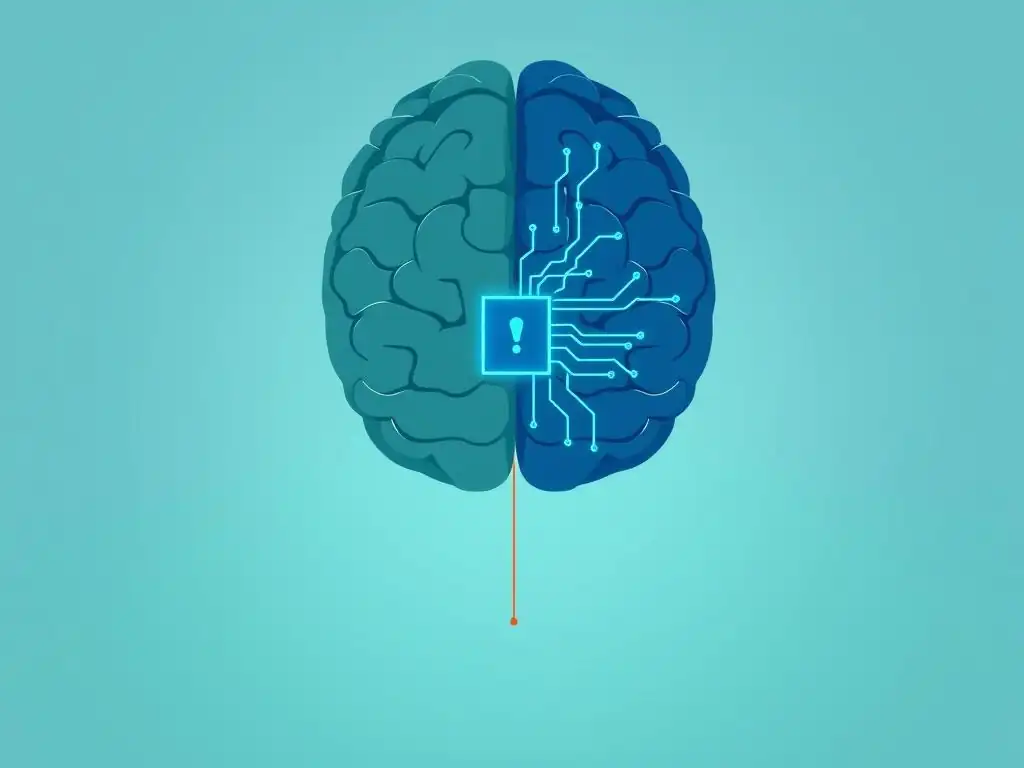
AI dating apps, while offering convenience and efficiency, can also present unique challenges to mental wellbeing. It's crucial to be aware of potential red flags that might indicate unhealthy or manipulative interactions. For example, an AI system that consistently pushes you towards unrealistic expectations or promotes unhealthy comparisons with other users should raise concerns. Similarly, algorithms that excessively focus on superficial attributes, like physical appearance, at the expense of personality and values, can contribute to negative self-perception and body image issues.
Pay close attention to how the app's suggestions and interactions make you feel. If you consistently feel inadequate, pressured, or anxious after using the app, it's a strong indicator that something isn't right. Don't hesitate to take a break or even delete the app if the experience negatively impacts your mental health.
Remember, a healthy dating experience should be empowering and positive, not stressful or damaging to your self-esteem. Consider the app's privacy policies and data usage carefully; excessive data collection can be a red flag, especially if it feels intrusive or exploitative. A responsible approach involves a critical evaluation of the app's impact on your emotional wellbeing.
Prioritizing Self-Care and Mindfulness While Using AI Dating Apps
Maintaining a healthy mental state while navigating the world of AI-powered dating requires conscious effort and self-compassion. Prioritizing self-care is paramount. This includes setting healthy boundaries around app usage – limiting your time spent online, scheduling breaks, and avoiding excessive checking for notifications. Mindfulness techniques, such as meditation or deep breathing exercises, can help manage stress and anxiety related to online dating.
Remember that rejection is a normal part of dating, regardless of whether it's facilitated by AI or not. Practice self-compassion and avoid dwelling on negative experiences. Engage in activities that bring you joy and help you relax outside of the app. This could be anything from spending time in nature, pursuing hobbies, or connecting with supportive friends and family.
Focus on building a strong sense of self-worth that is independent of your online dating success. Remember that your value as a person is not determined by your matches or interactions on a dating app. A balanced life, rich with fulfilling activities and supportive relationships, will buffer against the potential downsides of AI dating.
Seeking Professional Help When Needed: Recognizing Signs of Distress
While AI dating apps can be a helpful tool, they are not a substitute for healthy relationships or professional mental health support. If you find yourself struggling with persistent feelings of sadness, anxiety, low self-esteem, or loneliness linked to your use of AI dating apps, seeking professional help is crucial. Signs of distress might include difficulty sleeping, changes in appetite, withdrawal from social activities, or feelings of hopelessness. Don't hesitate to reach out to a therapist, counselor, or other mental health professional.
They can provide a safe and supportive space to discuss your experiences and develop coping strategies. Many mental health professionals are familiar with the unique challenges presented by technology and online interactions, and can offer tailored advice and support. Remember, seeking professional help is a sign of strength, not weakness.
Prioritizing your mental well-being is essential for leading a fulfilling and balanced life, both online and offline. There are resources available to help, and reaching out is the first step towards feeling better. Don't suffer in silence – your mental health matters.
Understanding the Limitations of AI Matching Algorithms
AI dating apps utilize algorithms to suggest potential matches, but it's crucial to understand their inherent limitations. These algorithms, while sophisticated, rely on data provided by users and may not fully capture the nuances of human connection. They often focus on surface-level compatibility, matching based on shared interests, age, location, and other readily quantifiable factors. However, genuine compatibility involves far more complex emotional, intellectual, and interpersonal dynamics that algorithms struggle to assess.
For example, an algorithm might pair two individuals with similar hobbies, but fail to account for crucial differences in communication styles or conflict resolution approaches, potentially leading to misunderstandings and relationship difficulties. Remember, the AI is a tool, not a psychic. It can offer suggestions, but ultimately, the human element—your judgment, intuition, and personal connection—remains paramount. Over-reliance on AI matching can lead to disappointment and frustration, impacting mental well-being if unrealistic expectations are set.
It's important to approach AI-driven matches with a healthy dose of skepticism and a willingness to engage in open communication to truly assess compatibility. The "perfect match" suggested by an algorithm might be far from perfect in reality. This understanding is crucial for maintaining a healthy perspective on online dating and preventing potential mental health challenges stemming from unrealistic expectations.
Avoiding the "Infinite Scroll" Trap and Maintaining Healthy Boundaries
The seemingly endless stream of profiles offered by many AI-driven dating apps can create a sense of overwhelm and contribute to feelings of inadequacy or low self-esteem. The "infinite scroll" effect, similar to that seen on social media platforms, encourages continuous browsing, leading to a constant comparison of oneself to others. This can trigger negative self-perception and exacerbate existing anxieties about dating and relationships. Setting healthy boundaries is crucial to avoid this trap.
Limit your daily screen time on dating apps, schedule specific times for browsing and interacting, and avoid checking the app constantly throughout the day. Remember, the goal is to form genuine connections, not to endlessly scroll through profiles. Prioritize quality over quantity. Focus on engaging with a few profiles that genuinely pique your interest rather than superficially evaluating a large number.
Taking breaks from the app is also essential to maintain perspective and avoid becoming overly invested in the online dating experience. Remember, your worth is not determined by the number of matches you receive or the messages you get. Prioritize self-care and maintain a healthy balance between your online dating life and other aspects of your well-being. This mindful approach is vital for protecting mental health in the context of AI-driven dating.
Recognizing and Addressing Algorithmic Bias in AI Dating Apps
AI algorithms are trained on vast datasets of user information, and these datasets can reflect and perpetuate existing societal biases. This means that the matches suggested by AI may not be entirely representative or inclusive. For example, algorithms might disproportionately favor certain demographics or physical characteristics, leading to a skewed representation of potential partners. Being aware of this potential bias is crucial for responsible use of AI dating apps.
Recognize that the suggestions you receive are filtered through a lens that may not be entirely objective or fair. Actively seek out profiles that may not be automatically suggested by the algorithm, expanding your search criteria beyond the AI's recommendations. Support inclusive dating practices and advocate for greater diversity and representation in the algorithms themselves.
The more diverse and representative the data used to train AI, the fairer and more inclusive the matching process will become. Understanding and addressing algorithmic bias is essential for fostering a healthy and equitable online dating experience for everyone. This awareness contributes to responsible technology use and promotes a more inclusive approach to finding meaningful connections.
Strategies for Safe and Healthy AI Dating
This section explores practical strategies for navigating the evolving landscape of AI-powered dating platforms while prioritizing your mental well-being and online safety. The responsible use of AI dating tools requires a proactive approach, encompassing awareness, critical thinking, and healthy boundaries. Remember, technology is a tool; your emotional well-being should always be the priority. This isn't about avoiding AI dating entirely, but about using it responsibly to enhance, not hinder, your dating experience.
Protecting Your Personal Information and Privacy
AI dating apps often require access to significant personal data to function effectively. This includes location data, photos, communication history, and potentially even access to your contacts. Protecting your privacy in this context is crucial for both your safety and mental health. Over-sharing can lead to unwanted attention, harassment, or even identity theft. Consider these steps:
- Review app permissions carefully: Before granting access to any data, carefully read the app's privacy policy and understand exactly what information it collects and how it uses it. Look for apps with transparent and robust privacy policies. Opt out of sharing unnecessary data whenever possible.
- Use strong and unique passwords: Avoid using the same password for multiple accounts. A strong password uses a combination of uppercase and lowercase letters, numbers, and symbols. Consider using a password manager to help you generate and manage strong, unique passwords for each of your online accounts.
- Limit the personal information you share: Don't reveal sensitive information like your full address, workplace, or financial details until you have established trust and met in person. Even seemingly innocuous details can be pieced together to create a complete profile, potentially exposing you to risk.
- Be mindful of photos: Avoid posting photos that reveal too much about your daily routine or location. Consider using a different profile picture for your dating app than the one you use on other social media platforms.
- Regularly review your privacy settings: Dating apps often update their privacy settings. Regularly check and adjust your settings to ensure your data is protected to your liking.
The responsible use of AI in dating involves a constant evaluation of your privacy settings and a commitment to protecting your personal information. This proactive approach minimizes risks and fosters a safer online dating experience.
Being Aware of Scams and Fraudulent Profiles
AI-powered dating platforms, while offering convenience, can also be breeding grounds for scams and fraudulent profiles. AI itself can be used to create convincing fake profiles, making it even more important to be vigilant. Here's how to protect yourself:
- Be wary of overly perfect profiles: Profiles that seem too good to be true often are. Be cautious of profiles with limited or inconsistent information, or those that seem to be promoting something beyond a genuine connection.
- Look for red flags in communication: Be suspicious of individuals who pressure you for money or personal information quickly, or who avoid video calls or in-person meetings. Consistent inconsistencies in their stories or evasiveness regarding personal details should raise concerns.
- Verify profiles independently: If possible, try to verify information provided in a profile through independent sources. This could include checking their social media presence or performing a reverse image search on their profile picture.
- Report suspicious activity: If you encounter a suspicious profile or experience any form of harassment or fraud, report it immediately to the dating app's support team and the appropriate authorities.
- Trust your instincts: If something feels off, it probably is. Don't hesitate to block or report users who make you feel uncomfortable or unsafe. Your intuition is a powerful tool in protecting yourself from online scams.
AI-facilitated fraud is a growing concern, and understanding the tactics employed by scammers is essential for safe online dating. By remaining vigilant and adopting a cautious approach, you can significantly reduce your risk.
Building Genuine Connections Despite AI-Mediated Interactions
While AI can facilitate connections, it shouldn't replace genuine human interaction. The personalized recommendations and matching algorithms of AI dating apps are tools to help you find potential partners, but building meaningful relationships still requires authentic communication and emotional intelligence.
- Prioritize in-person meetings: Don't rely solely on online interactions. Arrange video calls early on to verify the identity of your matches and build rapport. Ultimately, aim for in-person meetings to build a genuine connection.
- Be mindful of AI-driven biases: Remember that AI algorithms are trained on data, and this data may reflect existing societal biases. Be aware of these biases and don't let them influence your judgments of potential partners.
- Focus on authentic communication: Don't let the ease of AI-mediated communication overshadow the importance of genuine human connection. Focus on active listening, empathy, and open communication.
- Maintain healthy boundaries: Set clear boundaries regarding how much personal information you share and how often you communicate. Don't feel pressured to respond instantly or engage in conversations that make you uncomfortable.
- Remember your self-worth: Don't let the rejection or lack of success on dating apps negatively impact your self-esteem. Remember that online dating is just one avenue for finding a partner, and your worth is not determined by your success or failure in this arena.
Building genuine connections requires effort and authenticity, regardless of the technology used. By focusing on genuine human interaction and prioritizing your mental health, you can use AI dating responsibly and effectively. Remember, the goal is to find meaningful connections, not just matches.
Utilizing AI Features Responsibly: Managing Profile Visibility
Online dating platforms increasingly incorporate AI features designed to enhance user experience and safety. However, responsible use is crucial for your mental well-being. One key aspect is managing your profile visibility. Many AI-powered systems offer granular control over who can see your profile and how much information is shared.
Take advantage of these settings. For example, you can choose to only allow individuals within a certain age range or geographic location to view your profile. This reduces the volume of unwanted messages and interactions, minimizing potential for negative experiences. Consider starting with more restrictive settings and gradually expanding them as you feel more comfortable.
Remember, it's perfectly acceptable to prioritize your safety and comfort by limiting exposure. Think of it as curating your online presence just as you would curate your social media profiles. Experiment with different levels of visibility to find a balance that suits your needs and protects your mental health. Don't feel pressured to make your profile completely public; your well-being is paramount.
The potential for overwhelming interactions is real, especially on platforms with AI-driven matching algorithms. By carefully managing your profile's visibility, you can create a more controlled and safer environment for yourself. This proactive approach to managing your online dating experience contributes significantly to maintaining a positive and healthy mental state. Remember that you have the agency to control your online presence and should utilize the tools provided by the platform to support your personal well-being. Prioritizing your mental health shouldn't be seen as a limitation; instead, it's a crucial aspect of a successful and fulfilling online dating experience.
Utilizing AI Features Responsibly: Using Communication Filters
AI-powered communication filters are another invaluable tool for responsible online dating. Many platforms now offer features that automatically detect and flag potentially abusive or inappropriate messages. Activating these filters provides an extra layer of protection against harassment and unwanted advances. These filters aren't foolproof, but they significantly reduce exposure to harmful content.
Think of them as a first line of defense in your online safety strategy. Furthermore, some platforms offer customizable filters allowing you to block specific words or phrases that trigger negative emotions or past traumas. This personalized approach to filtering allows you to actively curate your online interactions and prioritize your mental well-being. This level of control can be particularly helpful for individuals with past experiences of online harassment or those sensitive to certain types of language.
Remember, using these filters is not about censorship; it's about creating a safer and more positive online dating environment for yourself. It's about empowering yourself to control your interactions and protect your mental health. Take the time to explore and understand the filtering options available on your chosen platform. This small step can have a significant positive impact on your online dating experience.
Managing Your Time and Energy Effectively
Online dating, even with AI assistance, can be time-consuming and emotionally draining. Effective time management is essential for maintaining a healthy balance. Set realistic goals for how much time you dedicate to online dating each day or week. Avoid spending excessive hours scrolling through profiles or engaging in lengthy conversations that don't lead anywhere. Remember, online dating is a tool, not a full-time job.
Prioritize other aspects of your life, such as your work, hobbies, and relationships with friends and family. Maintaining a healthy lifestyle outside of online dating is crucial for your mental well-being. This includes getting enough sleep, exercising regularly, and engaging in activities that bring you joy and relaxation. Remember, self-care is not selfish; it's essential for your overall health and happiness. If you find yourself feeling overwhelmed or stressed by online dating, take a break.
Step away from the apps and focus on nurturing your mental and emotional health. Don't hesitate to seek support from friends, family, or a mental health professional if needed. Prioritizing your well-being is key to a successful and fulfilling online dating experience. Remember that a balanced approach to online dating, one that prioritizes your mental and emotional health, is more likely to lead to positive and meaningful connections.
The Future of AI in Online Dating and Mental Health
The integration of Artificial Intelligence (AI) into online dating is rapidly transforming the landscape, offering both exciting possibilities and significant challenges. AI algorithms are increasingly used to curate matches, personalize user experiences, and even analyze communication styles to predict relationship compatibility. However, this technological advancement necessitates a careful consideration of its impact on users' mental well-being.
The responsible development and implementation of AI dating tools are crucial to ensure that technology enhances, rather than detracts from, the search for meaningful connections. The future hinges on striking a balance between leveraging AI's potential for improved matching and mitigating the risks associated with its misuse. This requires a proactive approach from developers, platforms, and users alike, focusing on ethical development, transparency, and user control.
The potential for AI to personalize the dating experience, filtering out incompatibility and highlighting shared interests, is significant. However, this personalization must be implemented thoughtfully to avoid creating echo chambers or reinforcing existing biases.
Ethical Considerations in AI Dating App Development
Ethical considerations are paramount in the development of AI dating applications. Algorithms should be designed to be fair, unbiased, and transparent. This means avoiding the use of data that could perpetuate harmful stereotypes or discriminatory practices. For example, an algorithm that prioritizes users based on their physical appearance or socioeconomic status would be ethically problematic.
Moreover, developers must be mindful of the potential for AI to manipulate user behavior. Techniques like "dark patterns" – subtle design choices that nudge users towards specific actions – should be avoided, as they can undermine user autonomy and lead to negative mental health outcomes. Regular audits and independent reviews of algorithms are essential to ensure ongoing ethical compliance. The development process should prioritize user privacy and data security, adhering to strict regulations and best practices to protect sensitive personal information.
A critical element is building mechanisms for user feedback and redress, allowing users to flag biased or harmful outcomes and hold developers accountable. The goal should be to create AI systems that empower users rather than exploit them. The long-term success of AI in dating depends on establishing a strong ethical foundation.
The Importance of Transparency and User Control
Transparency is crucial in fostering trust and empowering users. Users should have a clear understanding of how AI algorithms work and what data is being collected and used. This necessitates accessible and understandable explanations of the AI's decision-making processes. The “black box” nature of many AI systems undermines user trust and makes it difficult to identify and address potential biases.
Instead, platforms should strive for explainable AI (XAI), providing users with insights into why certain matches are suggested or why particular features are highlighted. Furthermore, users should have robust control over their data and the AI's influence on their experience. This means providing clear options to opt out of AI-driven features, adjust personalization settings, and easily access and delete their data.
Giving users agency over their online dating experience is vital for promoting mental well-being and preventing feelings of manipulation or control. The ability to understand and manage the AI's role is essential for responsible use. Empowering users with transparency and control reduces the risk of negative impacts on mental health.
The Role of Mental Health Professionals in AI Dating
The integration of AI into online dating necessitates a collaborative effort between technology developers and mental health professionals. Mental health experts can play a vital role in designing AI systems that prioritize user well-being. Their input is crucial in identifying potential risks, developing strategies for mitigating harm, and creating support systems for users who may experience negative emotional consequences.
This includes designing features that promote healthy communication, identify signs of online harassment or abuse, and provide access to mental health resources. Collaboration could lead to AI systems that provide personalized mental health support based on user data and interaction patterns, flagging potential issues and offering appropriate interventions. Integrating mental health considerations into the design process from the outset is crucial for ensuring the responsible and ethical development of AI dating technology.
The goal is not to replace human interaction but to supplement it with tools that enhance mental well-being and support healthy relationships. This interdisciplinary approach is essential for realizing the positive potential of AI in online dating while minimizing its risks.
Promoting Responsible Innovation in the Field of AI Dating
The integration of AI into online dating presents both exciting opportunities and significant ethical challenges. Promoting responsible innovation requires a multi-faceted approach, focusing on transparency, user control, and robust safety measures. Developers must prioritize building AI systems that are not only effective but also ethical and considerate of users' mental well-being. This means actively working to mitigate potential harms, such as the creation of addictive features or the perpetuation of harmful stereotypes.
For example, algorithms should be designed to avoid reinforcing biases based on race, gender, or other protected characteristics, ensuring a fairer and more inclusive dating experience for everyone. Transparency in how AI algorithms function is also crucial; users should have a clear understanding of how the AI is influencing their experience, allowing them to make informed decisions about their online interactions. This transparency fosters trust and empowers users to take control of their online dating journey.
Furthermore, responsible innovation necessitates ongoing monitoring and evaluation of AI dating systems. Regular audits and independent assessments are essential to identify and address potential issues proactively. This includes assessing the impact of AI on user mental health, looking for signs of increased anxiety, depression, or body image issues, and implementing strategies to mitigate these risks.
The development of industry-wide ethical guidelines and best practices is also crucial to ensure accountability and consistency across different AI dating platforms. These guidelines should address issues such as data privacy, algorithm bias, and the prevention of harmful behaviors, creating a more secure and supportive online dating environment for all users. A collaborative effort involving developers, researchers, policymakers, and user advocates is needed to ensure that AI in online dating serves to enhance, not detract from, positive mental well-being.
The goal should be to leverage AI's potential to connect people meaningfully while minimizing the risks to mental health. This requires a continuous commitment to responsible development and a willingness to adapt and learn as the technology evolves.
Frequently Asked Questions
How can AI dating apps impact my mental health?
AI dating apps can positively impact mental health by expanding your dating pool and offering personalized matches. However, excessive use can lead to comparison, low self-esteem, and addiction, impacting your well-being. Manage your usage time responsibly.
Are there any risks associated with using AI in online dating?
Yes, there are risks. Privacy concerns are paramount, as AI algorithms collect and analyze vast amounts of personal data. Additionally, the potential for catfishing and misrepresentation remains, even with AI-powered verification features.
How can I use AI dating apps responsibly to protect my mental health?
Set realistic expectations, limit your daily usage, and focus on genuine connections rather than superficial metrics. Prioritize your well-being over app notifications and remember that online interactions don't always reflect real-life dynamics.
What are some red flags to watch out for when using AI-powered dating apps?
Be wary of apps that make excessive promises or push for instant gratification. Also, be cautious of profiles that seem too perfect or avoid detailed personal information. Trust your gut feeling; if something feels off, it probably is.
How can I balance using AI dating apps with maintaining good mental health?
Prioritize self-care activities, such as exercise, mindfulness, and spending time with loved ones. Maintain a healthy balance between online and offline interactions, and remember that online dating is just one aspect of your life.
The rise of AI in dating presents both unprecedented opportunities and significant challenges to mental well-being. We've explored the allure of curated matches, the potential for personalized experiences, and the darker side of unrealistic expectations and addictive behaviors fostered by these technologies. The question remains: how do we harness the power of AI for connection without compromising our mental health?
The impact of AI on our perceptions of relationships and self-worth is profound and ongoing. It's reshaping our understanding of intimacy, creating a new landscape of social interaction that demands careful navigation. The constant stream of curated profiles and instant feedback can distort our sense of self and lead to unhealthy comparisons. As Sherry Turkle wisely noted, We expect more from technology and less from each other.
This sentiment perfectly encapsulates the potential pitfalls of relying too heavily on AI for connection, highlighting the need for a balanced approach that prioritizes genuine human interaction.
Now, consider your own relationship with technology, particularly in the context of dating. Are you consciously choosing to engage with AI dating apps in a way that supports your mental well-being? I urge you to reflect on your habits, to prioritize self-awareness, and to cultivate healthy boundaries in your digital interactions. Remember that true connection thrives on authenticity, vulnerability, and genuine human engagement – qualities that no algorithm can replicate. Let's strive to use AI as a tool, not a crutch, in our pursuit of meaningful relationships.
Unlock Your Authentic Dating Journey
Thank you for exploring the intersection of artificial intelligence and mental well-being in the context of dating! You've gained valuable insights into responsible technology use, and now it's time to apply that knowledge.
Here's how you can proceed:
- Prioritize self-reflection: Take some time to honestly assess your relationship with dating apps and AI-powered tools. Are you using them to support your well-being, or are they contributing to unnecessary stress?
- Share your reflections: Discuss this article with a trusted friend or family member. A conversation can offer valuable new perspectives on responsible digital dating.
- Journal your experiences: Consider keeping a journal to document your dating experiences, both online and offline. This can help you understand your emotional responses to technology and identify any unhealthy patterns.
Ready to cultivate a healthier, more authentic approach to online dating? What's one small step you can take this week to improve your digital well-being?